
Beautiful Plants For Your Interior
Beautiful Plants For Your Interior
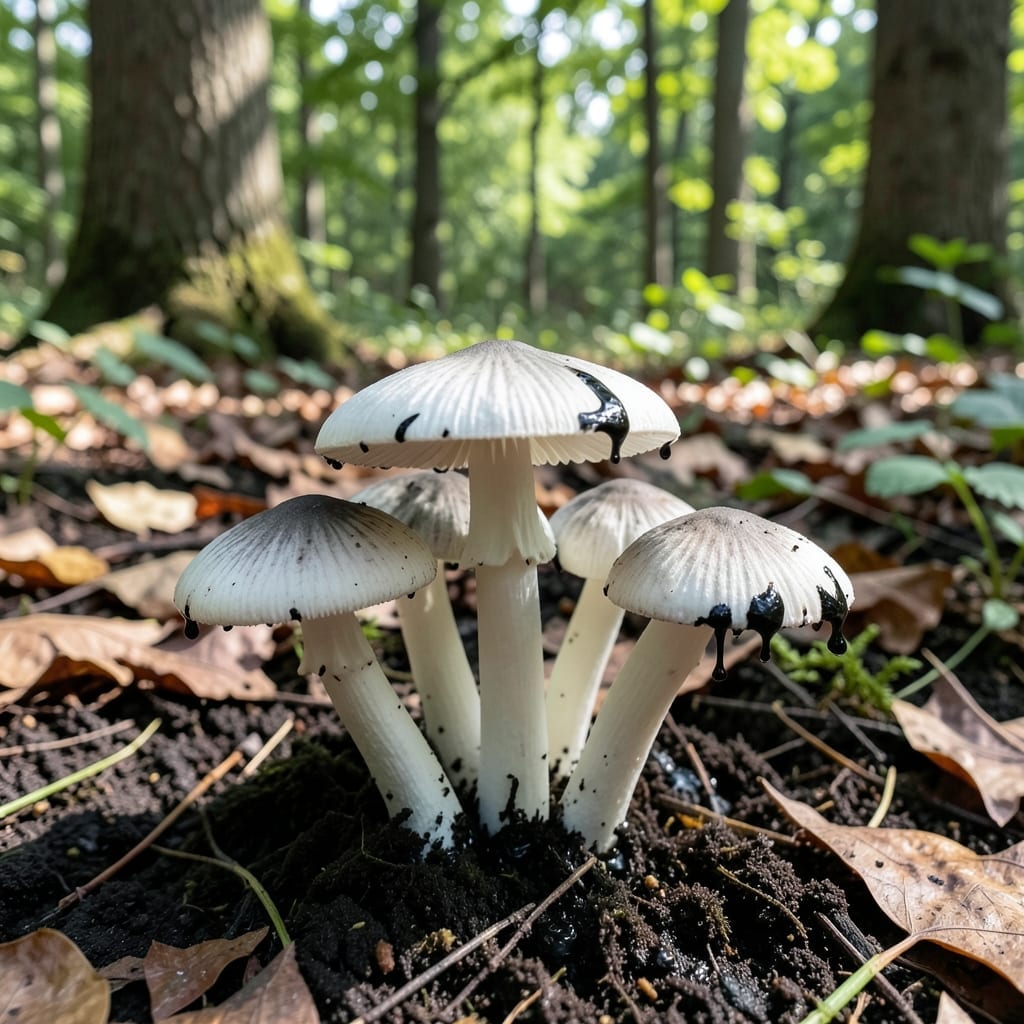
White ink caps appear like ghostly umbrellas in damp woodlands. 🌱 I first spotted them after a spring rain, their delicate caps catching the light like natural parchment.
They thrive in rich, moist soil with plenty of organic matter. A shaded spot under hardwoods works best, though I’ve had luck with a simple straw bed in partial shade.
These mushrooms fruit quickly—sometimes overnight—making them a rewarding project. Just be sure to harvest before the caps start to deliquesce, or they’ll turn to ink.
With the right setup, you can cultivate them at home in 4-6 weeks. The key is consistent moisture and the right wood substrate.
The white ink cap mushroom (often Coprinopsis atramentaria) can develop discoloration or deterioration due to several environmental and biological factors. Understanding these causes helps foragers and cultivators maintain quality and safety.
Fluctuations in temperature or excessive moisture can trigger enzymatic browning or cap degradation. These mushrooms thrive in cool, damp conditions, but extreme humidity accelerates spoilage, while dry heat causes cracking or premature aging. Store at 40–50°F (4–10°C) with moderate humidity to prevent this.
Exposure to competing microbes, like Trichoderma or bacteria, can lead to ink cap syndrome—a rapid breakdown of the cap into a black, inky substance. This is a natural defense mechanism but renders the mushroom inedible. Sterilize growing substrates and handle with clean tools to minimize risk.
As part of their life cycle, white ink caps autodigest (deliquesce) to spread spores. This process starts as the cap matures, turning from white to gray or black. Harvest before full maturity (when the cap edges begin to curl upward) to avoid this natural breakdown.
Extended exposure to air, especially after harvest, speeds up oxidation. The tyrosinase enzyme reacts with oxygen, causing browning. Store in paper bags (not plastic) in the fridge to balance airflow and moisture, slowing deterioration.
Encountering problems with your ink cap mushrooms? Here’s how to tackle common issues and keep your crop thriving. 🌱
Mold often appears due to stagnant air or excess moisture. To fix this, increase ventilation in your growing area by adding a small fan or opening windows. Ensure humidity stays between 80-90% but avoid waterlogging. Prevention tip: Sterilize your substrate and tools before use to minimize contamination.
Ink caps prefer cooler temperatures (50-65°F). If growth stalls, move them to a cooler spot or use a temperature-controlled grow box. Avoid direct heat sources like radiators. Prevention tip: Monitor temperature daily with a thermometer to maintain consistency.
A slimy cap signals overwatering. Cut back on misting and let the substrate dry slightly between waterings. Use a spray bottle for precise hydration. Prevention tip: Opt for a well-draining substrate mix, like straw or hardwood sawdust.
Spotted bugs or larvae? Remove affected mushrooms immediately and isolate them from healthy ones. Introduce beneficial insects like nematodes or use neem oil spray. Prevention tip: Keep your growing area clean and free of organic debris.
Pro tip: Always wear gloves when handling mushrooms to prevent contamination. ✨
No, always cook them first. Raw ones may cause mild stomach upset. Cooking also enhances their delicate, nutty flavor.
Fresh ones keep for 3-5 days in the fridge. Store in a paper bag to prevent moisture buildup and slow autodigestion.
Hardwood sawdust or straw works best. Ensure it’s pasteurized to kill competing microbes. Keep moisture consistent for optimal growth.
It’s their natural way to spread spores. Harvest before the edges curl upward to avoid this deliquescing process.