
Beautiful Plants For Your Interior
Beautiful Plants For Your Interior
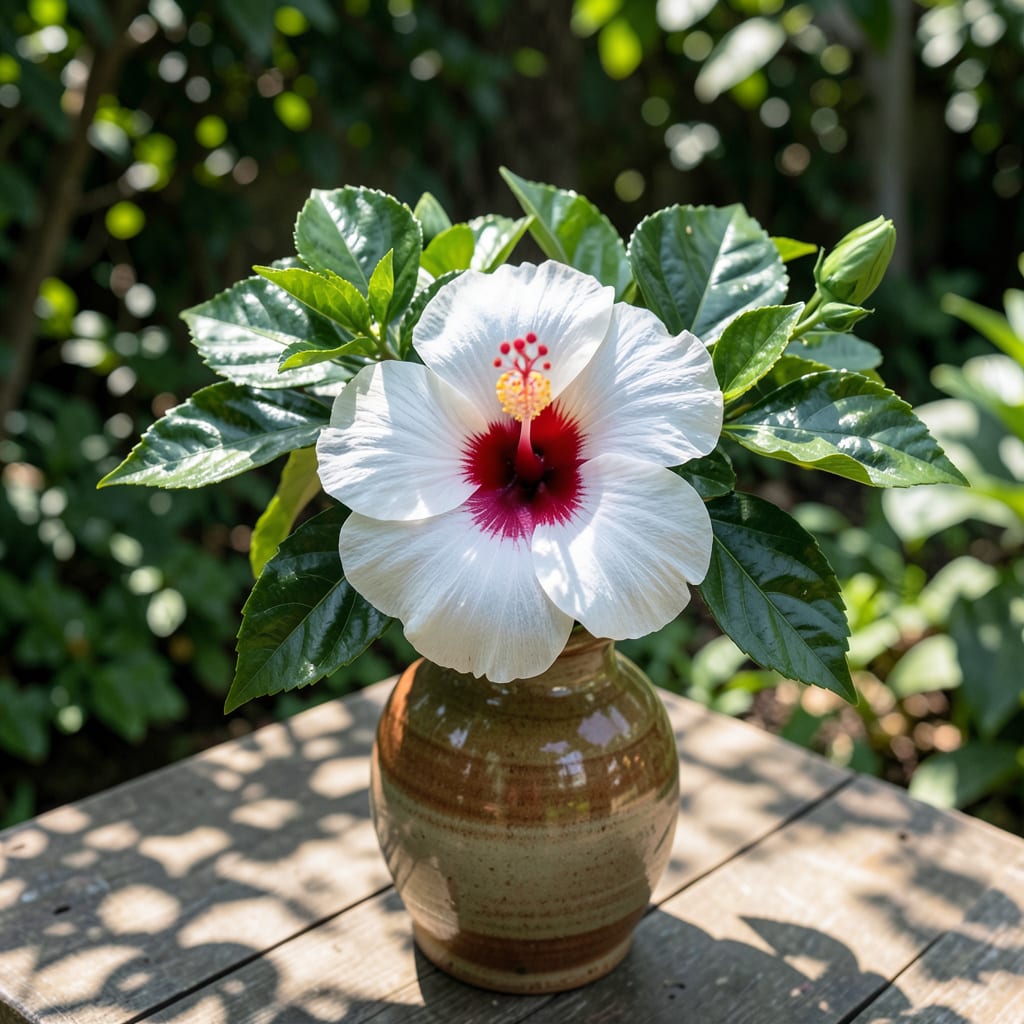
That first bloom stopped me in my tracks. Pure white petals cradling a fiery red heart—it’s the kind of flower that makes neighbors slow down and stare.
This stunner thrives in full sun with well-draining soil and regular watering. Once established, it rewards you with dinner-plate-sized blooms all season long. The contrast is simply breathtaking.
📚 In This Guide
This method delivers vibrant blooms with minimal fuss, perfect for adding tropical flair to any landscape.
Choose a spot with full sun to partial shade, as white hibiscus with red center thrives in 6-8 hours of direct sunlight daily. The more sun it receives, the more prolific the flowering will be. Avoid low-lying areas where cold air or water might pool, as this can stress the plant.
Soil should be well-draining with a pH of 6.0-7.0. If your soil is heavy clay, amend it with compost or organic matter to improve drainage. I’ve found that slightly elevated beds or containers work best in areas with poor drainage.
Dig a hole twice as wide and just as deep as the root ball. Gently remove the plant from its container and loosen any tightly bound roots to encourage outward growth. Place the hibiscus in the hole so the top of the root ball sits 1 inch above the soil line—this prevents settling and waterlogging.
Backfill with native soil and water deeply to settle the roots. I always add a 2-3 inch layer of mulch around the base to retain moisture and suppress weeds, but keep it 3 inches away from the stem to prevent rot. Expect the first blooms in 4-6 weeks if planted in spring.
Water newly planted hibiscus 2-3 times per week for the first 4-6 weeks, ensuring the soil stays evenly moist but not soggy. Once established, reduce watering to once weekly, but increase frequency during extreme heat or drought. The soil should feel dry to the touch at the 1-inch depth between waterings.
Fertilize every 2-3 weeks during the growing season with a balanced, water-soluble fertilizer (10-10-10 or 20-20-20). I switch to a low-nitrogen, high-phosphorus fertilizer in late summer to encourage blooming. Yellowing leaves often signal overwatering or nutrient deficiency—adjust accordingly.
Prune in early spring, just before new growth begins, to remove dead or weak branches and shape the plant. Cut back one-third of the oldest stems to the ground to rejuvenate the shrub and promote vigorous flowering. Always use clean, sharp pruners to avoid tearing the wood.
Deadhead spent blooms regularly to encourage continuous flowering. This also prevents seed pods from forming, which can divert energy away from new blooms. Watch for aphids or whiteflies—a strong spray of water or insecticidal soap usually handles minor infestations.
In zones 8-11, white hibiscus with red center is typically evergreen and requires little winter care. In colder zones, apply a 3-4 inch layer of mulch around the base after the first frost to insulate the roots. Potted plants should be moved indoors to a cool, bright location with temperatures above 50°F.
Reduce watering in winter but keep the soil lightly moist. Resume normal care in spring once the threat of frost has passed. You’ll know it’s time to bring plants back outside when nighttime temperatures consistently stay above 55°F.
These practical insights will help you avoid common pitfalls and achieve stunning results.
Sunlight Strategy: In Step 1, aim for the full 6-8 hours of direct sunlight daily. I’ve noticed plants in partial shade produce fewer blooms and can develop leggy growth. If your garden has limited sun, consider container planting to move the hibiscus to follow the light.
Planting Precision: When following Step 2, that 1 inch of the root ball above soil line is non-negotiable. Here’s what nobody tells you—settling after planting can bury the stem too deep, leading to rot. Use a ruler if needed to get this right.
Watering Wisdom: During the first 4-6 weeks mentioned in Step 3, check soil moisture daily by inserting your finger 1 inch deep. The soil should feel like a wrung-out sponge—moist but not dripping. Overwatering is the most common mistake I see with new hibiscus plants.
Winter Care Tip: For Step 5, that 50°F indoor temperature minimum for potted plants is critical. Between us, I learned this the hard way after losing a beautiful specimen to a chilly garage. A sunroom or enclosed porch works perfectly if you don’t have indoor space.
Keep it in well-draining soil, water regularly (but avoid soggy roots), and provide full sun to partial shade. Fertilize lightly in spring and summer for vibrant blooms.
Most white hibiscus with red centers bloom from late spring to fall, with peak flowers in summer. Consistent care and warm temperatures encourage longer blooming seasons.
Yes! Use a large pot with drainage holes and a quality potting mix. Container-grown hibiscus may need more frequent watering and feeding.
Yellow leaves often signal overwatering, nutrient deficiency, or poor drainage. Check soil moisture and adjust care. Pests like aphids can also cause this issue.
Consider hardy alternatives like Hibiscus syriacus (Rose of Sharon) or Plumeria, which require less fuss but offer tropical charm.
