
Beautiful Plants For Your Interior
Beautiful Plants For Your Interior
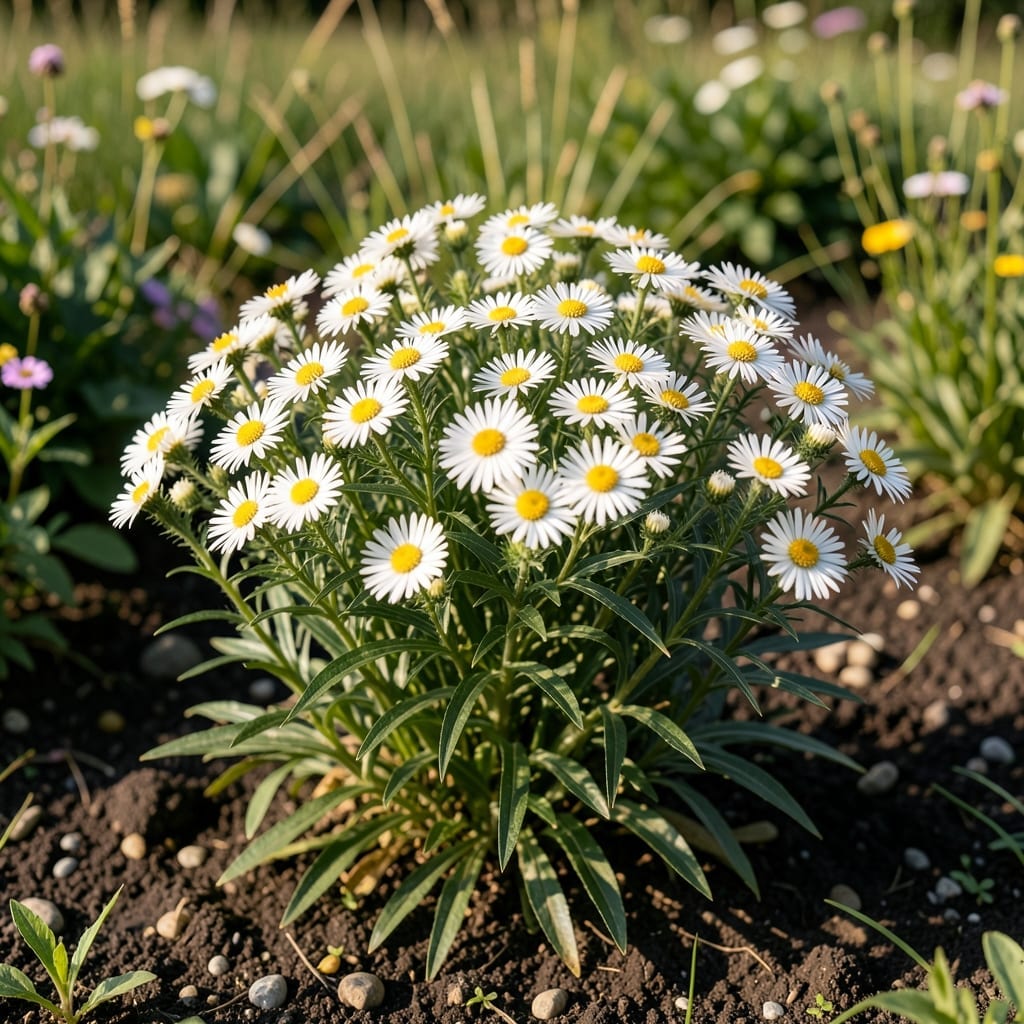
White heath aster turns your garden into a pollinator magnet every fall. I’ve watched bees and butterflies swarm these delicate white blooms when most other flowers have called it quits for the season.
It thrives in full sun to partial shade and tolerates poor soil, making it a low-maintenance star. With minimal care, you’ll get clouds of flowers from late summer through frost, year after year.
📚 In This Guide
Here’s my reliable method for establishing these delicate, pollinator-loving plants with minimal fuss.
Select a spot with full sun to partial shade—white heath aster thrives in 6+ hours of direct sunlight but tolerates light afternoon shade, especially in hotter climates. This ensures strong stem growth and abundant blooms without scorching the foliage.
Check the soil drainage by digging a 12-inch deep hole and filling it with water. If it drains within 1-2 hours, you’re good to go. These plants despise soggy roots, so avoid low-lying areas where water pools after rain.
Loosen the soil to a depth of 12-18 inches and mix in 2-3 inches of compost to improve fertility and drainage. White heath aster isn’t picky about soil type, but it performs best in well-draining, moderately fertile ground.
Remove any weeds or grass from the area—these can compete with young plants for nutrients and water. I’ve found that a quick pass with a garden fork breaks up compacted soil without disturbing the existing ecosystem too much.
Dig a hole slightly wider than the root ball but no deeper than the container it came in. Place the plant in the hole so the top of the root ball sits level with the surrounding soil. Planting too deep can suffocate the roots and lead to rot.
Space plants 18-24 inches apart to allow for air circulation and future growth. These plants spread gradually via rhizomes, so giving them room now prevents overcrowding later. Water thoroughly after planting to settle the soil around the roots.
Water newly planted aster deeply once a week for the first 4-6 weeks, ensuring the soil stays evenly moist but not waterlogged. Once established, white heath aster is drought-tolerant and only needs supplemental watering during prolonged dry spells.
I water at the base of the plant to keep the foliage dry, which helps prevent fungal diseases. You’ll know it’s time to water when the top inch of soil feels dry to the touch. Overwatering is a common mistake—these plants are tough and prefer a little neglect over too much attention.
Cut back the stems by about one-third in early summer to encourage bushier growth and more blooms. This also helps prevent the plants from flopping over as they mature. Use clean, sharp pruners to make clean cuts just above a leaf node.
In late fall, leave the spent blooms and stems in place to provide winter interest and habitat for beneficial insects. prune back to the ground in early spring before new growth emerges. This low-maintenance approach keeps the plants healthy and thriving year after year.
Here’s what I’ve learned from years of growing this resilient pollinator magnet.
Sunlight Secret: That 6 hours of daily sunlight minimum is non-negotiable for strong stems and abundant blooms. I’ve tried partial shade spots, and while the plants survive, they grow leggy and produce far fewer flowers. Full sun locations always outperform shaded ones for this variety.
Drainage Test: The 1-2 hour drainage test in Step 1 is your best insurance against root rot. If water sits longer than that, consider amending with coarse sand or choosing a raised bed. White heath aster hates wet feet, and poor drainage is the most common reason these plants fail.
Planting Depth: In Step 2, that slight crown elevation above soil level prevents crown rot, which I’ve seen wipe out entire plantings. It’s tempting to bury the crown for stability, but resist the urge—this small detail makes a huge difference in plant longevity.
Watering Wisdom: During those first 4-6 weeks, the 1 inch of water per session is critical for root establishment. I use a simple tuna can as a measuring tool—place it near the plant and water until it’s full. This takes the guesswork out of knowing you’ve given enough.
No, white heath aster (Symphyotrichum ericoides) is a native North American perennial and not considered invasive. It spreads slowly via rhizomes but is easily managed in garden settings.
This hardy plant blooms from late summer to fall, typically August through October. Its tiny white flowers attract pollinators like bees and butterflies during this period.
Consider New England aster (Symphyotrichum novae-angliae) or aromatic aster (Symphyotrichum oblongifolium) for similar pollinator benefits and late-season blooms.
Lack of sunlight or excessive fertilizer can delay blooms. Ensure it gets full sun and well-drained soil. Avoid high-nitrogen fertilizers, which promote foliage over flowers.