
Beautiful Plants For Your Interior
Beautiful Plants For Your Interior
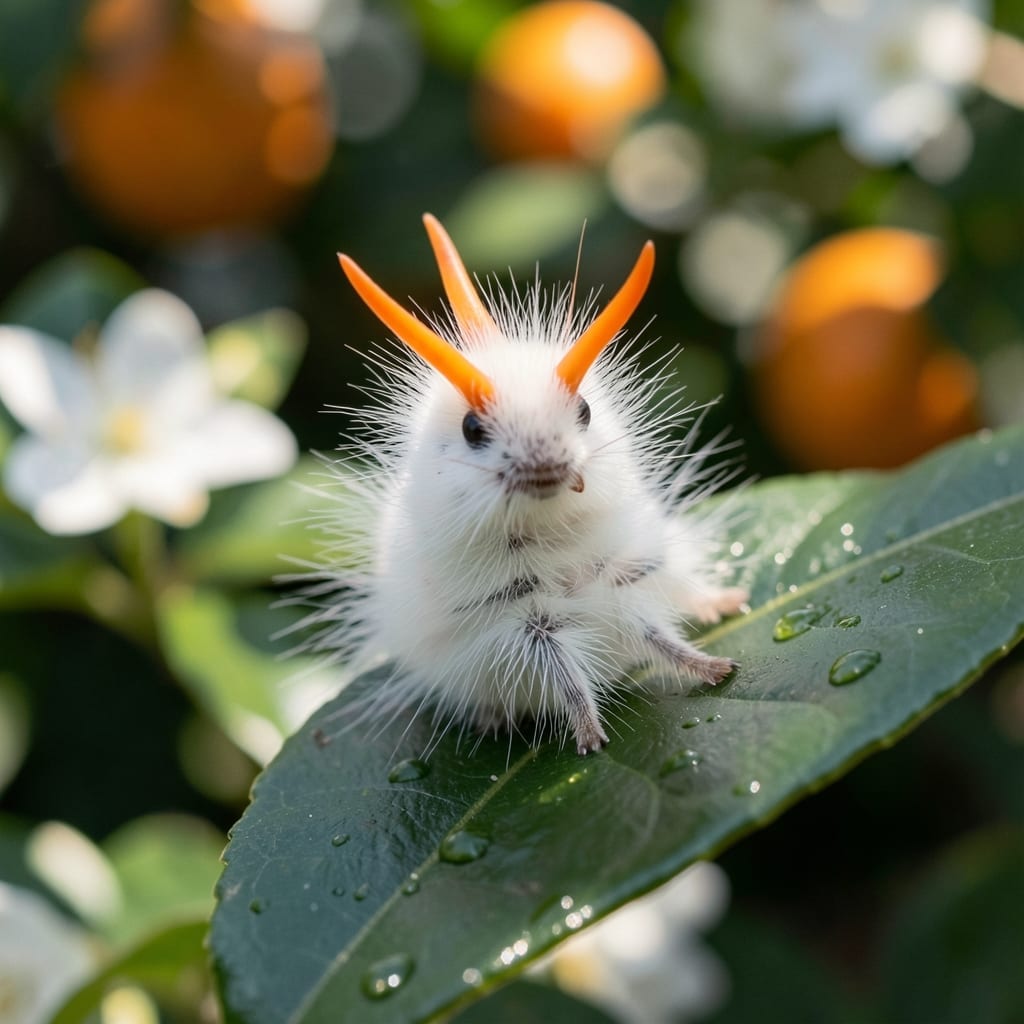
I spotted my first white fuzzy caterpillar with orange horns on a tomato leaf last summer. It looked harmless until I realized how quickly it could defoliate a plant.
These caterpillars are actually the larval stage of the hickory horned devil moth, and while they look intimidating, they’re not dangerous to humans. Still, they can do serious damage to trees and garden plants.
Safe removal doesn’t require chemicals. A simple handpick-and-drop method in soapy water works perfectly. Just wear gloves if you’re squeamish.
Early action prevents them from stripping leaves overnight. Check your plants at dusk—they’re most active then.
The distinctive appearance of the white fuzzy caterpillar with orange horns is primarily driven by evolutionary adaptations and species-specific traits. Here’s why it happens:
Many caterpillars, including the Hickory Tussock Moth (Lophocampa caryae), develop bright colors and fuzzy textures to deter predators. The white fuzz and orange horns mimic the appearance of toxic or unpalatable species, signaling danger to birds and other hunters. This is a survival tactic called aposematism.
The caterpillar’s diet shapes its appearance. Those feeding on hickory, walnut, or butternut trees often develop the signature white fuzz and orange horns due to chemical compounds in the leaves. These compounds can alter pigmentation and even enhance toxicity, reinforcing their defensive display.
Some species are hardwired to produce these features. The White-Marked Tussock Moth (Orgyia leucostigma), for example, has genetic programming for white setae (hairs) and bright orange tubercles (horns). These traits are consistent across populations, ensuring recognition by predators.
Encountering a white fuzzy caterpillar with orange horns can be concerning, especially if it’s causing damage to your garden or posing a risk to pets. Here’s how to address the issue safely and effectively:
Before taking action, confirm the species. Many fuzzy caterpillars, like the hickory tussock moth caterpillar, have urticating hairs that can cause skin irritation. Use a field guide or trusted app to verify. Never handle it bare-handed.
If the caterpillar is harmful or unwanted:
Keep your garden resilient with these steps:
With these methods, you can manage the problem without harming the ecosystem. Stay observant and proactive!
No, avoid direct contact. Many fuzzy caterpillars have microscopic spines that can cause skin irritation or allergic reactions. Always use gloves or a tool for handling.
They often feed on hickory, walnut, and butternut trees. Some species also target tomato, corn, and other garden plants. Check leaves for holes or skeletonized patterns.
Remove leaf litter and debris where moths lay eggs. Encourage natural predators like birds by planting native flowers. Regular inspections help catch infestations early.
Chemical pesticides can harm beneficial insects. Use Bacillus thuringiensis (Bt) instead—it targets only caterpillars and is eco-friendly.