
Beautiful Plants For Your Interior
Beautiful Plants For Your Interior
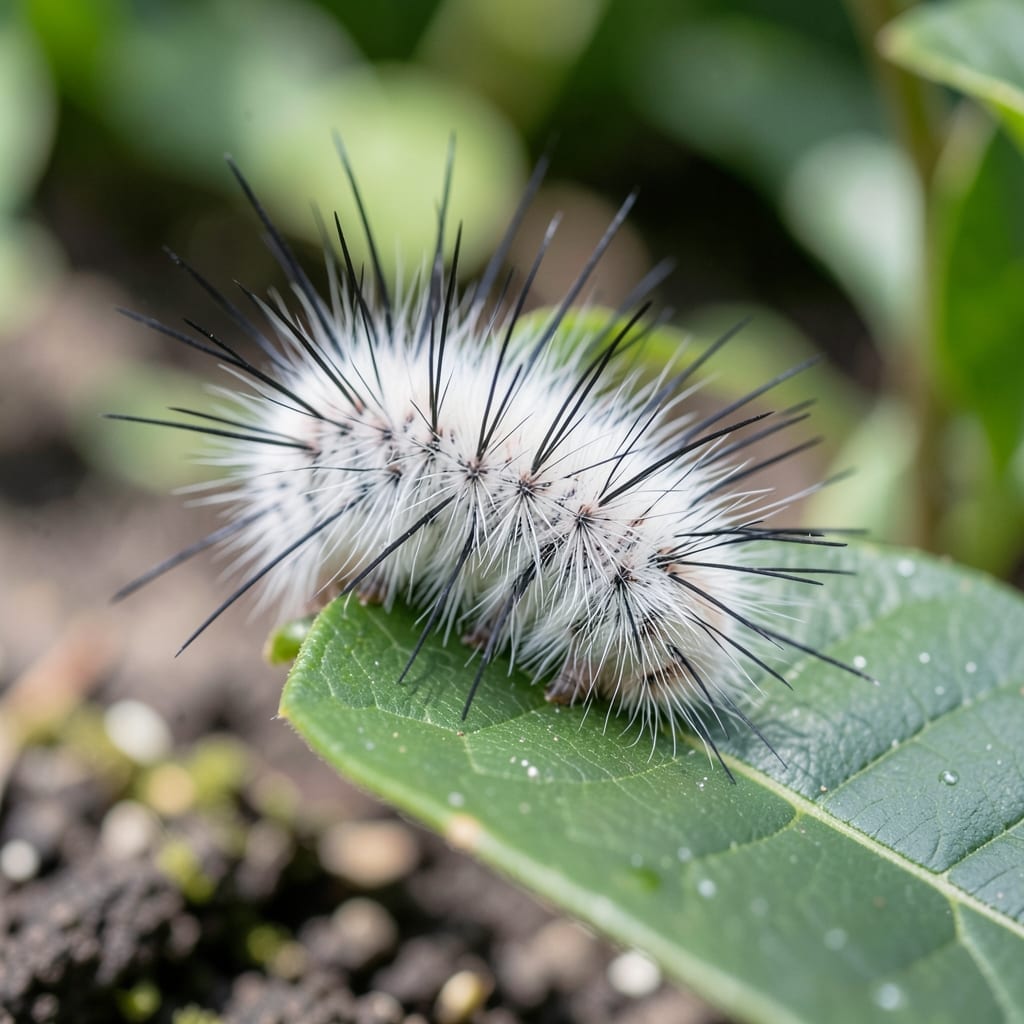
Spotted a white fuzzy caterpillar with black spikes in your garden? I’ve been there—first time I saw one, I froze, unsure if it was friend or foe. Turns out, these critters can wreak havoc if left unchecked.
These pests often target leaves, skeletons, and even fruits, leaving your plants looking ragged. The good news? They’re easy to identify once you know what to look for. Their distinctive white fuzz and spiny black markings make them stand out.
Safe removal is key—no need for harsh chemicals. A simple pair of gloves and a relocating strategy works wonders. I’ve saved countless plants this way, and you can too.
By the end of this, you’ll know exactly how to spot them, remove them safely, and keep your garden thriving without the worry.
The presence of a white fuzzy caterpillar with black spikes in your garden or home is no accident. These creatures, often species like the Hickory Tussock Moth caterpillar or White-Marked Tussock Moth, thrive in specific conditions. Below are the key reasons they show up, along with the science behind each cause.
These caterpillars are highly specialized feeders. The Hickory Tussock Moth, for example, targets trees like butternut, hickory, and walnut, while the White-Marked Tussock Moth prefers ash, elm, and willow. If your property has these plants, it becomes a prime habitat. The females lay eggs directly on or near these host plants, ensuring their larvae have immediate access to food upon hatching.
Warm, humid environments accelerate their life cycle. Most fuzzy caterpillars with spikes emerge in late summer to early fall, when temperatures range between 70–85°F (21–29°C). High humidity supports the survival of eggs and young larvae, which are sensitive to drought. Regions with mild winters also allow pupae to overwinter successfully, leading to larger infestations the following year.
These caterpillars often appear in areas where their natural predators—such as parasitic wasps, birds, or ground beetles—are absent. The black spikes and fuzzy hairs act as a defense mechanism, deterring potential threats. However, if predator populations are low due to pesticide use or habitat disruption, caterpillar numbers can surge unchecked.
Urban and suburban landscapes sometimes inadvertently create perfect conditions. Over-fertilized lawns, untreated wooden structures, or piled leaf litter provide shelter and food. Additionally, outdoor lighting at night can attract adult moths, which then lay eggs nearby, perpetuating the cycle.
If you’ve spotted a fuzzy caterpillar with dark spines in your garden or home, act quickly to prevent damage or irritation. Here’s how to address the most common issues:
Wear thick gloves and use tweezers to pluck caterpillars off leaves. Drop them into a bucket of soapy water to ensure they don’t return. Prevention tip: 💡 Inspect plants weekly, especially the undersides of leaves where eggs and young larvae hide.
Check windows, doors, and cracks for gaps. Use caulk or weather stripping to block access. If you find one inside, gently relocate it outdoors with a jar and paper. Prevention tip: ✨ Keep outdoor lights off at night—moths (their adult form) are drawn to light, and their eggs may hitch a ride indoors.
If spines cause a rash or itching, wash the area with soap and cold water, then apply hydrocortisone cream. Avoid scratching to prevent infection. Prevention tip: 🎯 Teach kids to look but not touch—many fuzzy caterpillars, like the tussock moth, have irritating hairs.
Encourage birds by adding a bird feeder or bath nearby. For severe cases, apply Bacillus thuringiensis (Bt), a natural bacteria that targets caterpillars but won’t harm other insects. Prevention tip: 🌡️ Prune trees in early spring to remove egg masses before they hatch.
Always prioritize humane and chemical-free methods first—these creatures play a role in the ecosystem!
No, avoid direct contact. The black spikes and fuzzy hairs can cause skin irritation or allergic reactions in some people. Always wear gloves when handling them.
They often target hickory, butternut, walnut, ash, elm, and willow trees. Check these plants first if you suspect an infestation.
Prune trees in early spring to remove egg masses. Reduce outdoor lighting at night to avoid attracting adult moths.
Unlikely. These caterpillars prefer trees and shrubs over vegetables, but always monitor plants closely for signs of damage.