
Beautiful Plants For Your Interior
Beautiful Plants For Your Interior
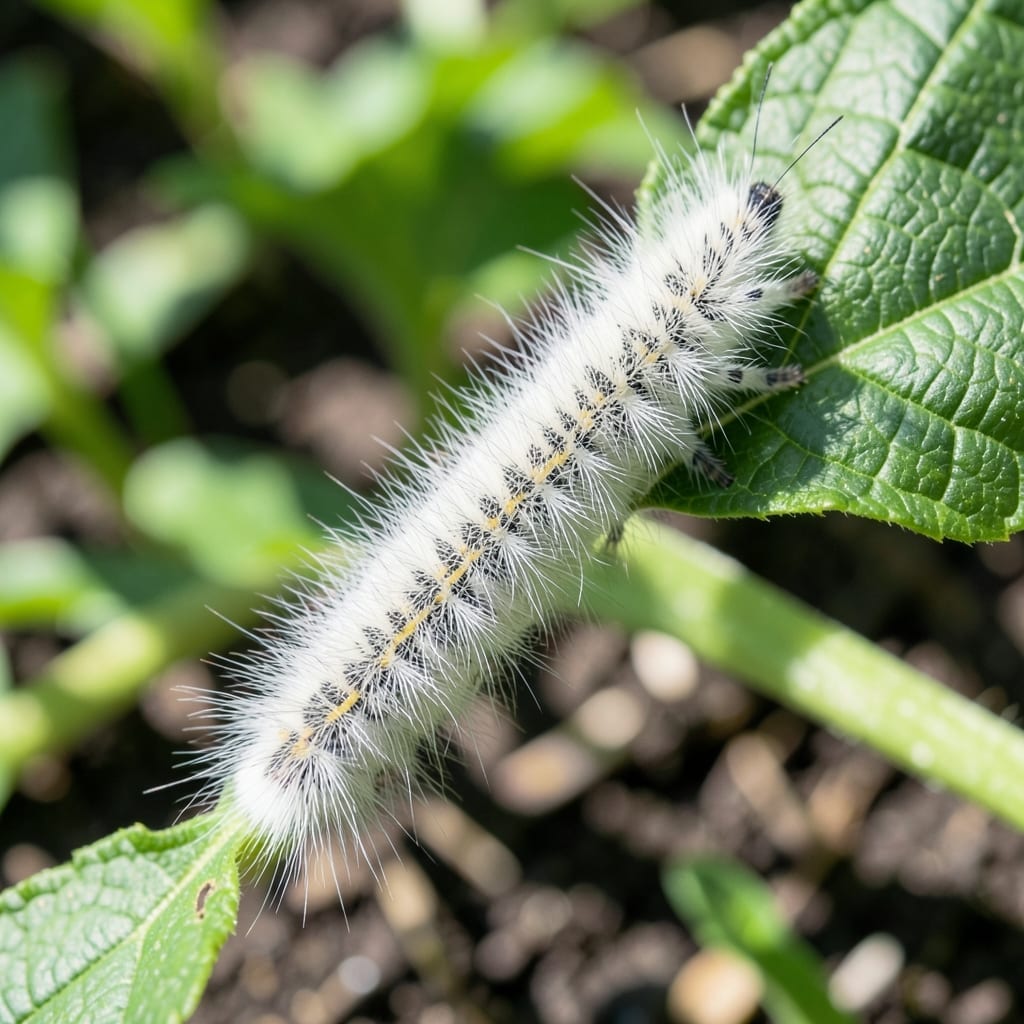
That white fuzzy caterpillar in your Minnesota garden isn’t just creepy—it’s likely a tussock moth caterpillar, and it can defoliate trees overnight if left unchecked.
I first spotted these on my oak tree three summers ago. Within days, entire branches were bare. The hairs on these caterpillars can also cause skin irritation, so handling them isn’t an option.
Identification is step one: look for the long white hairs and shorter black tufts. They’re most active from May through July, which is when you’ll want to act fast.
Here’s how to control them without harming beneficial insects or your plants.
The appearance of white fuzzy caterpillars in Minnesota is often tied to specific environmental and biological factors. These pests thrive under certain conditions, and understanding the root causes can help you prevent infestations. Below are the primary reasons why you might be seeing them in your yard or garden.
White fuzzy caterpillars, such as the Hickory Tussock Moth caterpillar or Woolly Bear, are drawn to areas with abundant food sources. In Minnesota, they commonly feed on trees like butternut, walnut, and hickory, as well as garden plants. If your property has these host plants, it creates an ideal environment for their eggs to hatch and larvae to flourish.
Minnesota’s warm summers and mild falls provide the perfect conditions for caterpillar populations to grow. Many species lay eggs in late summer, which hatch when temperatures rise. A particularly warm or extended fall can delay their transition to moths, leading to a visible increase in fuzzy caterpillars crawling around in search of food before winter.
When natural predators like birds, parasitic wasps, or ground beetles are absent or reduced—due to pesticide use or habitat loss—caterpillar populations can explode. Minnesota’s ecosystems sometimes experience imbalances where these predators are outnumbered, allowing white fuzzy caterpillars to proliferate unchecked.
Overuse of broad-spectrum pesticides can kill off beneficial insects while leaving caterpillars unaffected. Additionally, dense mulch, leaf litter, or untended garden beds create hiding spots for eggs and larvae. If your yard lacks diversity in plant life or has excessive organic debris, it may inadvertently invite these pests.
Dealing with white fuzzy caterpillars in Minnesota? Here’s how to tackle the problem effectively, whether they’re in your garden, home, or yard.
If these caterpillars are munching on your plants, start by handpicking them off leaves and relocating them far from your garden. For larger infestations, apply neem oil or insecticidal soap to deter them naturally. Prevention tip: 💡 Encourage natural predators like birds and parasitic wasps by planting native flowers.
Finding white fuzzy caterpillars inside? Check houseplants, windowsills, and stored fabrics. Vacuum them up immediately and seal the bag. Wash infested clothing or linens in hot water. Prevention tip: 🔍 Inspect plants before bringing them indoors and keep storage areas clean and dry.
For caterpillars defoliating trees or shrubs, use horticultural oil or Bacillus thuringiensis (Bt), a bacteria-based treatment safe for plants but deadly to caterpillars. Apply in the early morning or late evening for best results. Prevention tip: ✨ Prune trees regularly to improve airflow and reduce hiding spots.
If you or someone in your household experiences skin irritation, wash the area with soap and water immediately. Apply hydrocortisone cream to relieve itching. Prevention tip: 🧤 Wear gloves when handling plants or working in the yard, and avoid touching your face afterward.
Yes, many species like the hickory tussock moth have irritating hairs. Contact can cause skin rashes or itching. Always wear gloves when handling plants.
Remove leaf litter and debris where eggs hide. Introduce natural predators by planting native flowers. Apply Bt spray in early spring as a preventative.
They prefer butternut, walnut, and hickory trees. Also check oaks and willows. Inspect these species first if you notice defoliation.
They rarely attack veggies, focusing on trees and shrubs. However, they may wander onto nearby plants. Use row covers for protection.