
Beautiful Plants For Your Interior
Beautiful Plants For Your Interior
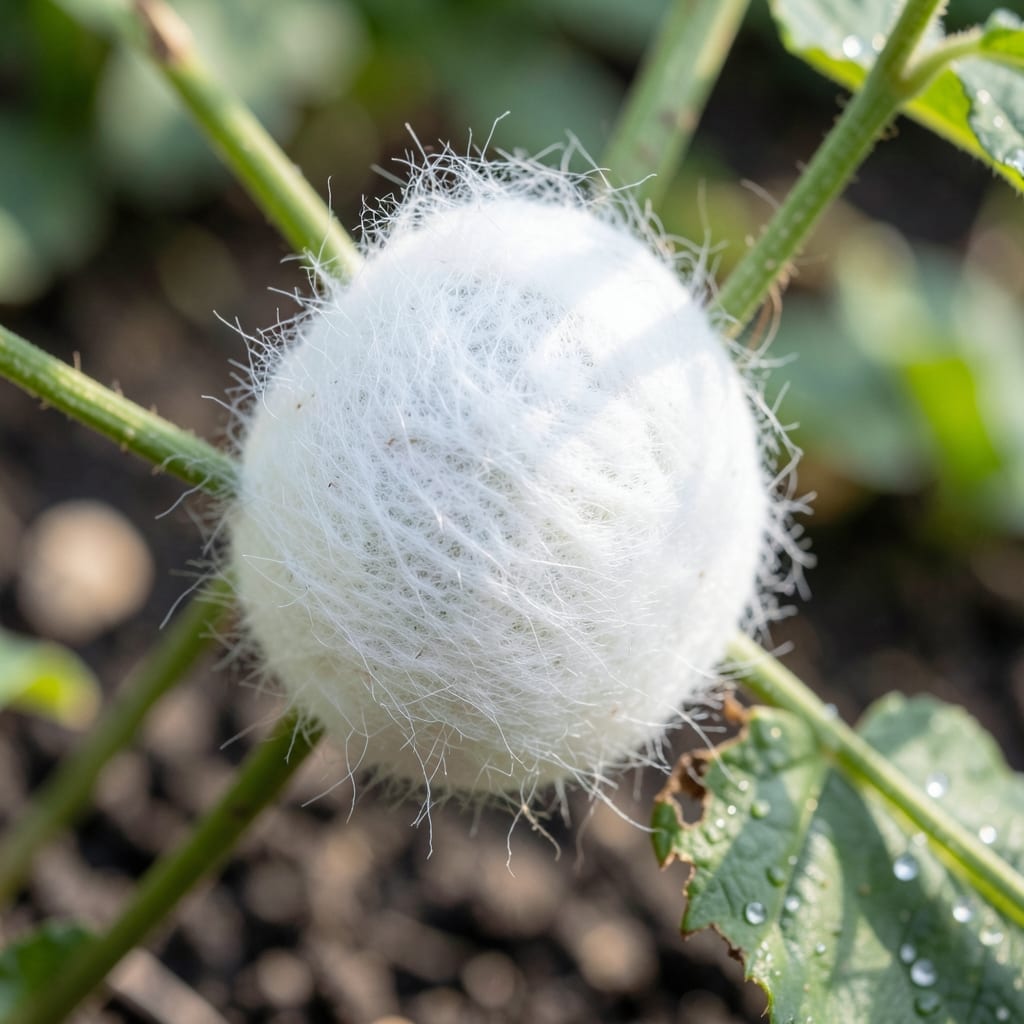
That white fuzzy cocoon in your garden isn’t just weird—it’s a transformation in progress. I’ve watched these appear overnight, turning leaf edges into hidden nurseries for moths or butterflies.
What looks like a problem is often nature’s recycling at work. These cocoons protect caterpillars as they change, usually appearing in late summer or early fall on leaves, branches, or even garden furniture.
Most are harmless, but some species can defoliate plants if left unchecked. The key is knowing which is which before you decide to remove them.
Observe for 1-2 weeks—you might witness an emergence that makes the wait worthwhile.
The formation of a white fuzzy caterpillar cocoon is a natural part of the caterpillar’s metamorphosis, triggered by biological and environmental factors. Below are the key causes behind this fascinating process.
As caterpillars grow, their bodies produce juvenile hormone and ecdysone, which regulate molting and development. When juvenile hormone levels drop, ecdysone signals the caterpillar to enter the pupal stage, forming a cocoon for protection during transformation.
Seasonal changes, such as cooling temperatures or shorter daylight hours, can prompt caterpillars to spin cocoons. Many species time their cocoon formation to survive harsh weather, ensuring they emerge as adults in favorable conditions.
The fuzzy, white cocoon acts as a defensive barrier against predators and parasites. Species like the woolly bear caterpillar or tussock moth use silk and hair-like setae to deter threats while they undergo metamorphosis inside.
Some caterpillars spin cocoons when their food sources (e.g., leaves) become scarce. This ensures they conserve energy and complete their life cycle without starving during vulnerable stages.
If you’ve spotted a white fuzzy caterpillar cocoon in your garden, home, or outdoor space, here’s how to address it without harming yourself or the ecosystem. Follow these practical steps to manage the situation effectively.
Before taking action, confirm whether the cocoon belongs to a harmless or beneficial species (like a moth or butterfly) or a pest (such as the tussock moth). Use a magnifying glass or consult a local pest guide to avoid removing helpful pollinators.
Some fuzzy caterpillar cocoons can cause skin irritation or allergic reactions. Put on gloves, long sleeves, and eye protection before handling them. This is especially important if you’re unsure about the species.
If the cocoon is on a plant, carefully prune the affected branch and place it in a sealed bag. Dispose of it in an outdoor trash bin—never crush it by hand, as this can release irritating hairs or toxins.
After removal, vacuum or sweep the area to eliminate stray hairs or eggs. Wipe down surfaces with soapy water to prevent reinfestation. For outdoor spaces, consider neem oil spray as a natural deterrent.
Prevention Tips:
Most species emerge in 2-4 weeks, but some may overwinter inside, delaying emergence until spring. Check for small exit holes as a sign the transformation is complete.
Not all are harmful, but some fuzzy cocoons can cause skin irritation. Avoid direct contact until you confirm the species. Always wear gloves if handling.
Carefully relocate it outside on a tree or shrub using a stick or gloved hands. Never crush it—this can release irritating hairs.
Most are harmless, but some species like tussock moths can defoliate plants. Monitor for clusters and remove if populations grow.