
Beautiful Plants For Your Interior
Beautiful Plants For Your Interior
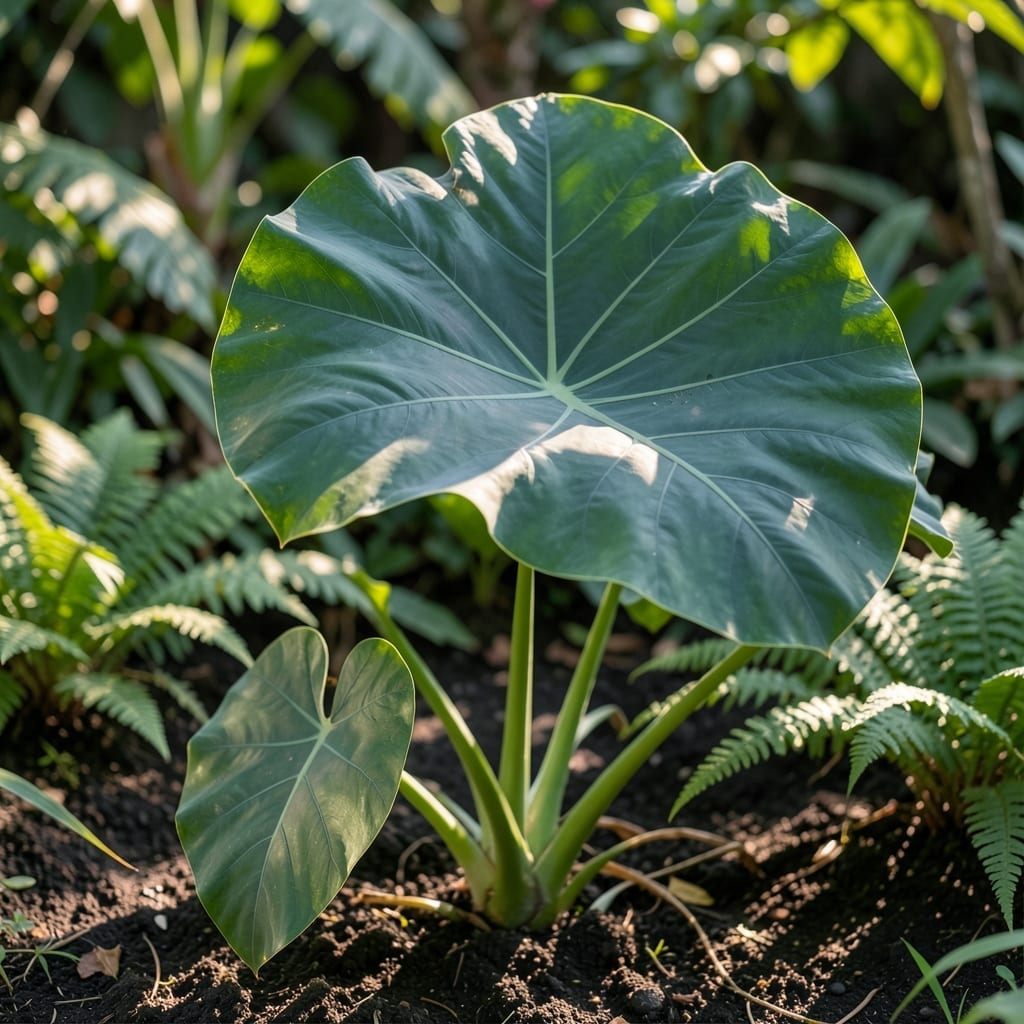
White elephant ears bring tropical drama to any garden. I’ve grown these bold beauties for years, and their heart-shaped leaves never fail to turn heads.
They thrive in partial shade with consistent moisture, and the right soil mix keeps them lush and vibrant all season. Start with healthy tubers, and you’ll have a showstopper in no time.
📚 In This Guide
This method delivers dramatic foliage with minimal effort—perfect for any garden space.
White elephant ears thrive in partial to full shade, especially in hotter climates where direct sun can scorch their leaves. I look for a spot that gets dappled morning light or filtered shade throughout the day. The soil should be rich and well-draining, as these plants despise waterlogged roots.
Avoid low-lying areas where water pools after rain. If your garden lacks natural shade, consider planting near taller shrubs or structures that provide afternoon relief. You’ll know the location is right when the soil stays consistently moist but never soggy.
Work the soil to a depth of 12-15 inches, removing rocks, debris, and weeds that could compete with your plants. I mix in 2-3 inches of compost or well-rotted manure to boost fertility. White elephant ears are heavy feeders, so this step ensures they have the nutrients needed for lush foliage.
Test the soil’s moisture retention by digging a small hole, filling it with water, and timing how long it takes to drain. If water sits for more than 2-3 hours, improve drainage by adding coarse sand or perlite. The soil should feel like a wrung-out sponge—damp but not dripping.
Plant tubers 2-4 inches deep and space them 18-24 inches apart to give their large leaves room to spread. I place each tuber horizontally with the bud side facing up. Cover it lightly with soil, then water thoroughly to settle the earth around it.
You’ll see the first shoots emerge in 2-3 weeks if the soil stays warm (at least 65°F). If temperatures drop below 50°F, growth will stall, so wait until all danger of frost has passed. Mulch with a 1-inch layer of organic matter to retain moisture and suppress weeds.
Water deeply when the top 1-2 inches of soil feel dry, aiming for 1-2 inches of water per week during active growth. I water at the base to avoid wetting the leaves, which can lead to fungal issues. These plants are thirsty, so don’t let the soil dry out completely.
Feed every 4-6 weeks with a balanced, water-soluble fertilizer (like 10-10-10) to support their rapid growth. Yellowing leaves often signal a nitrogen deficiency, so adjust your feeding schedule if you notice this. By mid-summer, you’ll have towering, vibrant foliage that becomes the focal point of your garden.
In colder zones (below USDA Zone 8), dig up the tubers before the first frost. I shake off excess soil, let them dry for 1-2 days, then store them in a cool, dark place (50-60°F) in a paper bag or box filled with peat moss or vermiculite. Check monthly for rot or shriveled tubers.
In warmer climates, a thick layer of mulch (4-6 inches) is usually enough to protect them through winter. You’ll know it’s time to replant or uncover them when soil temperatures consistently stay above 60°F in spring. This ensures a strong, healthy return the following season.
Took me a few seasons to learn these, so let me save you the trial and error.
Soil Preparation: In Step 2, working the soil to that 12-15 inch depth is non-negotiable. I learned the hard way that shallow prep leads to stunted growth. Mix in the full 2-3 inches of compost—these plants are heavy feeders and will reward you with dramatic foliage when given rich soil from the start.
Drainage Test: That 2-3 hour drainage test in Step 2 is your best insurance against root rot. If water lingers longer, don’t skimp on the perlite or sand. White elephant ears will tolerate many things, but soggy roots aren’t one of them. Trust me on this.
Planting Depth: For Step 3, stick to the 2-4 inch planting depth. Too shallow and tubers can dry out or get sunburned; too deep and they’ll struggle to sprout. I place mine horizontally with the bud facing up—this gives them the best start for those first shoots you’ll see in 2-3 weeks.
Temperature Timing: The 65°F soil temperature mentioned in Step 3 is your green light. Planting when it’s cooler than this just wastes time—growth stalls below 50°F, and you’ll be waiting forever. A soil thermometer is worth the investment here.
White elephant ears (e.g., Alocasia ‘White Giant’) are striking varieties with variegated or white foliage, unlike the solid green leaves of traditional elephant ears. They require similar care but may need extra shade to prevent leaf burn.
Plant them in spring after the last frost, when soil temperatures reach at least 60°F (15°C). This gives them a full growing season to establish before winter.
No, their delicate white foliage is prone to scorching. Opt for partial shade (4–6 hours of morning sun) or dappled light to keep leaves vibrant and healthy.
Yellowing often signals overwatering, poor drainage, or nutrient deficiencies. Check soil moisture (let it dry slightly between waterings) and ensure the plant has well-draining soil.
Try Alocasia ‘Polly’ (silver-veined leaves) or Colocasia ‘Mojito’ (variegated green/white). Both offer similar tropical flair with easier availability.