
Beautiful Plants For Your Interior
Beautiful Plants For Your Interior
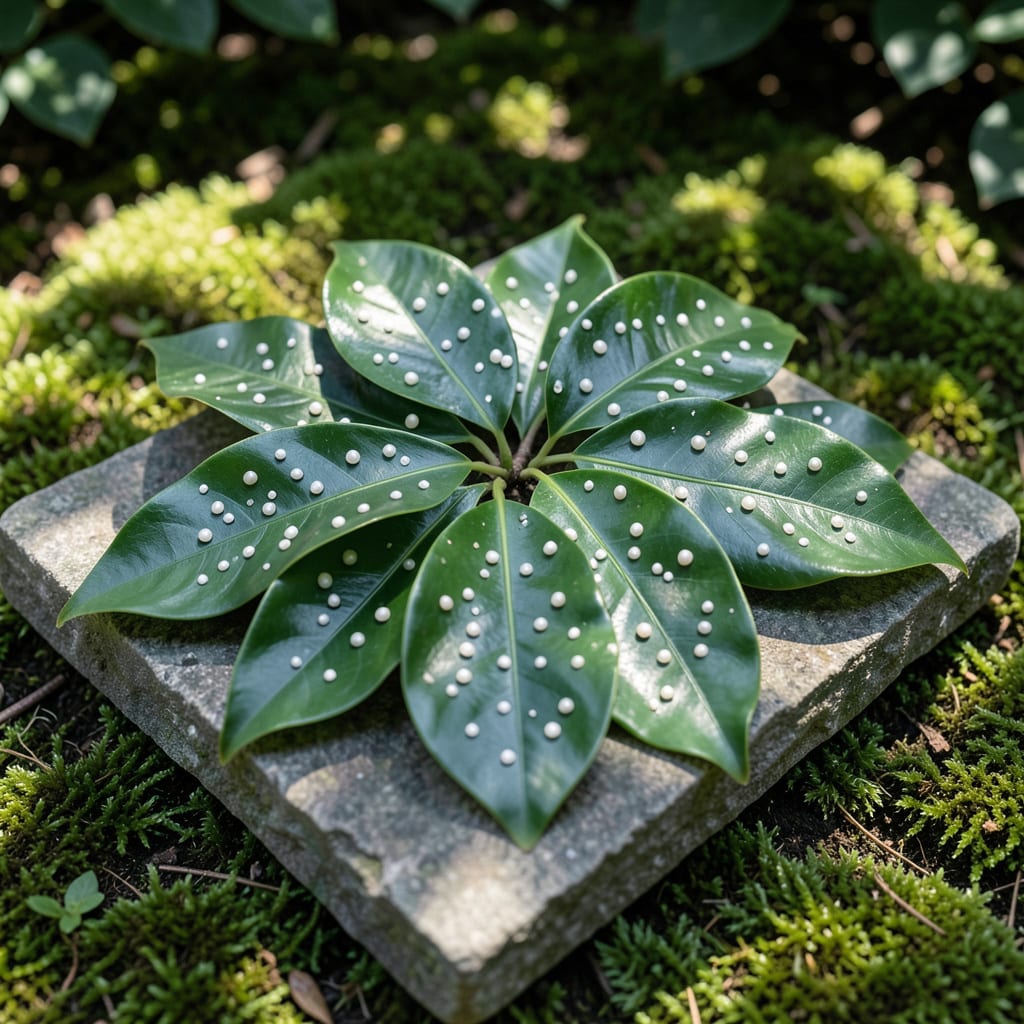
Spotted white dots on your magnolia leaves? I’ve been there—staring at my tree wondering if it’s sick or just dirty.
Turns out those spots are usually scale insects or a fungal issue. The good news is both are treatable without harsh chemicals. I fixed mine with a simple soapy water spray and better airflow.
You’ll see improvement within a week or two of treatment. The key is catching it early before it spreads to other plants.
Works for most magnolia varieties, from southern magnolias to star magnolias. Here’s how to diagnose and fix it for good.
White dots on magnolia leaves are often a sign of underlying issues, and understanding the causes is key to addressing them effectively. Below are the most common culprits behind this problem.
One of the primary causes is powdery mildew, a fungal disease that thrives in humid, warm conditions. The fungus Erysiphe polygoni or Podosphaera spp. creates a white, powdery coating on leaves, often starting as small dots. Poor air circulation and damp foliage exacerbate this issue. Left untreated, it can spread and weaken the tree.
Certain pests, like scale insects or mealybugs, can also cause white dots. These insects secrete a waxy, white substance as they feed on plant sap. Scale insects often appear as tiny, immobile bumps, while mealybugs leave cottony residues. Their feeding can stress the tree and lead to secondary infections.
In some cases, white dots may result from mineral deposits due to hard water or foliar sprays. If water high in calcium or magnesium evaporates on leaves, it can leave behind white residues. While less harmful than fungal or pest issues, these deposits can still affect the tree’s appearance and photosynthesis over time.
Environmental factors, such as excessive sun exposure or nutrient deficiencies, can manifest as white spots. For instance, magnesium deficiency may cause interveinal chlorosis, where white or yellow dots appear between leaf veins. Ensuring proper soil nutrients and balanced light exposure can prevent this.
If you’ve spotted white dots on your magnolia leaves, don’t panic! Most causes are treatable with simple, natural solutions. Below are targeted fixes for each common cause, along with prevention tips to keep your magnolia thriving.
Act quickly, and your magnolia will bounce back with lush, dot-free leaves!
Yes, fungal spores and pests like scale can travel to nearby plants. Isolate affected magnolias and treat promptly to prevent spread.
Natural remedies like soapy water or neem oil often show improvement within 7-14 days. Severe cases may need repeated applications.
Mild cases often resolve fully with proper care. For heavy damage, new healthy growth will replace affected leaves over time.
Start with natural solutions first. If needed, choose organic fungicides or insecticides labeled safe for magnolias. Always follow package instructions.
