
Beautiful Plants For Your Interior
Beautiful Plants For Your Interior
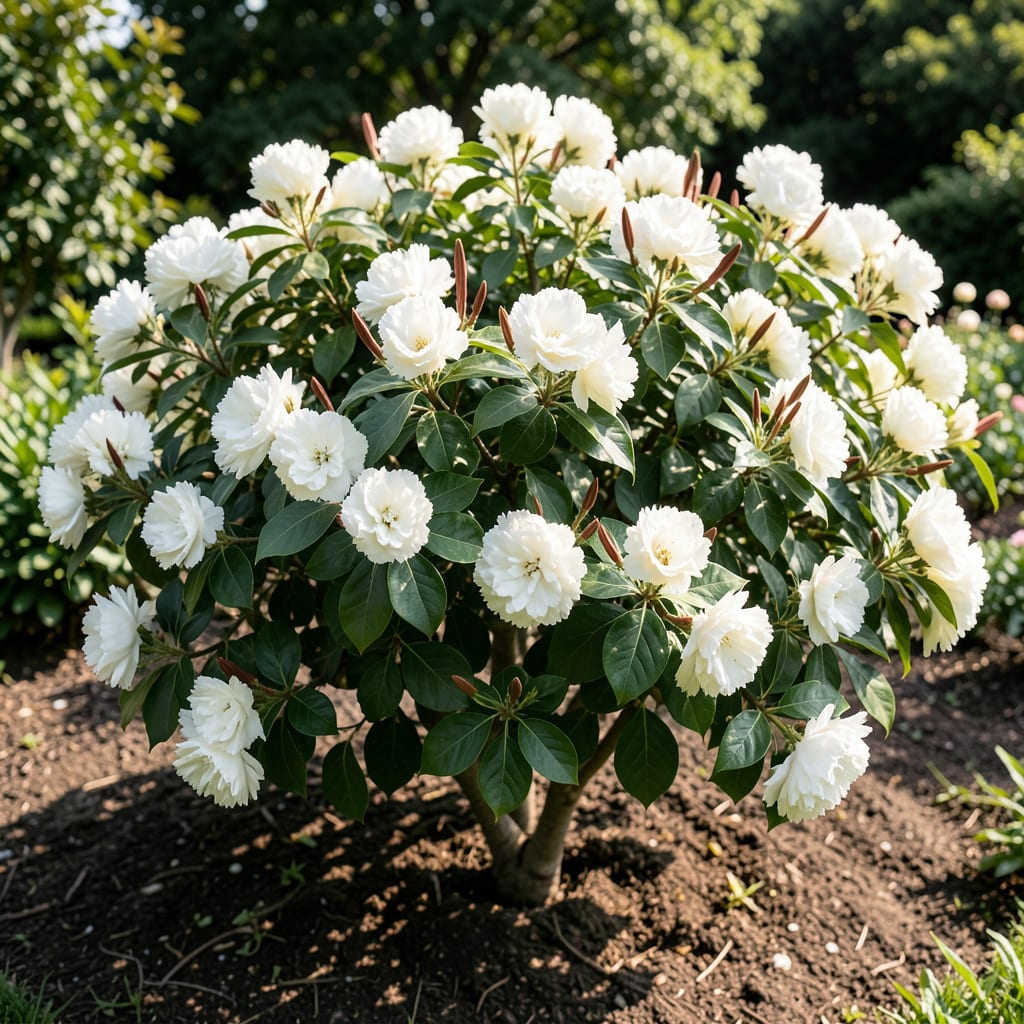
That first summer I planted white crape myrtle, I understood why everyone raves about it. 6-foot tall bushes covered in pure white blooms that last for months transformed my boring fence line.
Here’s the thing—it thrives in full sun with minimal fuss. You get show-stopping summer flowers, stunning fall color, and exfoliating bark that looks gorgeous even in winter. Zero regrets.
📚 In This Guide
Here’s the method I use to establish these stunning bushes with reliable summer blooms and year-round structure.
Select a site with full sun (at least 6-8 hours daily) and well-draining soil. Crape myrtles thrive in heat and tolerate drought once established, but they’ll struggle in shady, waterlogged spots. Test drainage by digging a 12-inch-deep hole and filling it with water—if it empties within 2-3 hours, you’re good to go.
Consider mature size too. Depending on variety, these bushes reach 3-20 feet tall with a similar spread, so give them space from buildings, power lines, and other plants. I always measure the planting area first to avoid future pruning headaches.
Dig a hole that’s twice as wide as the root ball but no deeper. The wider hole loosens surrounding soil, encouraging roots to spread outward. If your soil is heavy clay, amending with 20% compost improves drainage and fertility.
Check the hole’s depth by placing the containerized plant inside—the top of the root ball should sit 1-2 inches above the surrounding soil level. This prevents settling, which can suffocate roots. Remove the plant from its container and gently loosen any circling roots before planting.
Position the plant in the hole, ensuring it sits at the correct height. Backfill with native soil, tampering gently with your foot as you go to eliminate air pockets. I create a 3-inch-high water ring around the perimeter of the hole to help direct water to the roots during the first year.
Water thoroughly after planting, giving it 1-2 inches of water to settle the soil. Add a 2-3 inch layer of mulch around the base, keeping it 6 inches away from the trunk to prevent rot. The mulch conserves moisture and suppresses weeds while roots establish.
Water deeply 2-3 times per week for the first 2-3 months, then taper off to once weekly unless you’re experiencing extreme heat. Crape myrtles are drought-tolerant, but consistent moisture the first year encourages strong root development.
Fertilize in early spring with a balanced 10-10-10 formula, following package instructions. Avoid high-nitrogen fertilizers late in the season, as they promote leafy growth at the expense of blooms. Prune in late winter to remove dead wood and shape the plant, but resist the urge to over-prune—this can delay flowering.
Deadhead spent blooms to encourage a second flush of flowers in late summer. Crape myrtles bloom on new wood, so pruning in early spring won’t affect that year’s flowers. Watch for powdery mildew in humid climates—ensure good air circulation and avoid overhead watering to prevent this common issue.
The real payoff comes in fall, when the leaves turn brilliant shades of red and orange, followed by attractive seed pods. Even in winter, the exfoliating bark adds visual interest. With minimal care, your crape myrtle will provide decades of beauty, growing more stunning each year.
These small details make the difference between a plant that struggles and one that thrives.
Sunlight Strategy: That 6-8 hours of daily sun isn’t just a suggestion—it’s critical for the vibrant blooms you’re after. I learned this the hard way when my first plant only got 4 hours of sun and barely flowered. Position yours where it gets unfiltered sunlight during the peak afternoon hours for maximum impact.
Drainage Test: Don’t skip the 12-inch hole test from Step 1. If water doesn’t drain within 2-3 hours, you’ll need to amend the soil or choose a different spot. Waterlogged roots are the number one killer of young crape myrtles, and I’ve lost two plants to this before perfecting my drainage routine.
Planting Height: That 1-2 inches above soil level in Step 2 might seem excessive, but it accounts for settling. I use a level across the hole to ensure the plant sits perfectly. The first time I ignored this, my plant sank 3 inches after a heavy rain, and the trunk developed rot at the base.
Mulching Method: The 6-inch gap between mulch and trunk in Step 3 isn’t just about rot prevention—it also discourages rodents from nesting against the bark. I’ve found that organic mulches like pine bark work best, breaking down over time to improve soil quality while maintaining that critical distance.
Water deeply 1-2 times per week during the first growing season to establish roots. Once mature, it’s drought-tolerant and needs watering only during prolonged dry spells. Avoid overwatering to prevent root rot.
Prune in late winter or early spring before new growth starts. Remove dead or crossing branches and shape the bush to encourage healthy blooms. Avoid heavy pruning, as it can delay flowering.
Consider Natchez (white blooms, taller) or Muskogee (lavender-pink) crape myrtles. For non-crape myrtle options, try Abelia or Hydrangea for comparable elegance and seasonal interest.
Lack of sunlight (needs 6+ hours daily), over-fertilizing (especially high-nitrogen), or improper pruning can reduce blooms. Ensure well-drained soil and avoid late-season pruning, which removes flower buds.
