
Beautiful Plants For Your Interior
Beautiful Plants For Your Interior
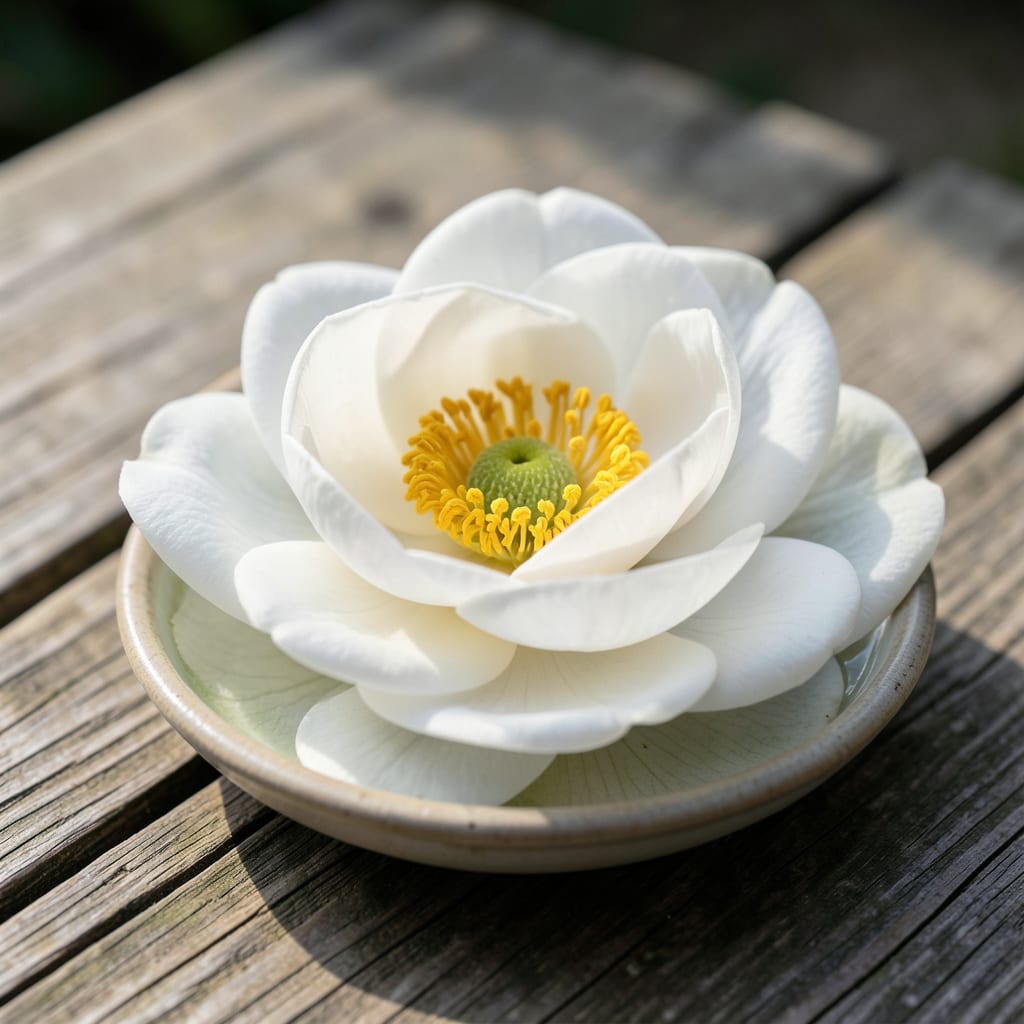
There’s something magical about those bicolor blooms glowing in shaded corners. I planted my first white camellia with a yellow center five years ago, and it still stops me in my tracks every February.
This variety thrives where others fail—under trees, along north-facing walls, anywhere with dappled light. The key is acidic soil and consistent moisture. Get those right, and you’ll have luxurious flowers when winter feels endless.
📚 In This Guide
Here’s my proven method for cultivating these stunning bicolor blooms in shaded garden spaces.
Choose a spot with bright, indirect light—dappled shade under tall trees works perfectly. Camellias thrive in partial shade but need protection from harsh afternoon sun, which can scorch their delicate petals. The ideal location receives 4-6 hours of filtered sunlight daily.
Ensure the area has well-draining, slightly acidic soil with a pH between 6.0 and 6.5. I always test the soil first because camellias won’t tolerate alkaline conditions. If needed, amend the soil with peat moss or compost to improve acidity and drainage.
Dig a hole that’s twice as wide and just as deep as the root ball. Gently remove the camellia from its container and loosen any circling roots to encourage outward growth. Place the plant in the hole so the top of the root ball sits 1-2 inches above the surrounding soil level—this prevents settling.
Backfill with native soil and water deeply to eliminate air pockets. I’ve found that adding a 2-3 inch layer of mulch (like pine bark) helps retain moisture and keeps the root zone cool. Just keep the mulch 3 inches away from the trunk to prevent rot.
Water newly planted camellias 2-3 times per week for the first 4-6 weeks, keeping the soil consistently moist but not soggy. Once established, reduce to once weekly or whenever the top 1-2 inches of soil feel dry to the touch.
Here’s the thing—camellias are sensitive to both drought and overwatering. I check soil moisture by sticking my finger in the ground. If it feels dry at the depth of my first knuckle, it’s time to water. Always water at the base to avoid wetting the foliage, which can lead to fungal issues.
Feed your camellia with a balanced, acid-forming fertilizer in early spring, right after the blooms fade. I use a 12-6-6 or 16-8-8 formula designed for acid-loving plants. Apply according to package instructions, typically 1 pound per 100 square feet of garden area.
Repeat the feeding in early summer if the plant seems to need a boost, but avoid fertilizing after mid-July. Late fertilizing can encourage new growth that won’t have time to harden off before winter, making it vulnerable to cold damage.
Prune after flowering but before new growth starts, usually in late winter or early spring. Remove dead, diseased, or crossing branches first. Then shape the plant by cutting back leggy growth to encourage bushier development.
I know it seems weird, but camellias bloom on old wood, so avoid heavy pruning in late summer or fall—you’ll risk cutting off next year’s flower buds. Always use clean, sharp tools to make smooth cuts at a 45-degree angle just above a leaf node.
Took me a few seasons to figure these out, so here goes.
The Light Factor: That 4-6 hours of filtered sunlight in Step 1 is non-negotiable. Too much direct sun bleaches the white petals, while too little shade prevents the yellow center from developing its vibrant hue. Dappled light under deciduous trees is ideal.
Soil pH Precision: I learned this the hard way after losing two plants: test your soil before planting. Camellias absolutely require that 6.0-6.5 pH range. If your soil tests higher, amend generously with peat moss—it’s the most reliable way to increase acidity for these acid-loving plants.
Planting Depth: Don’t bury the root ball too deeply. As Step 2 specifies, the top should sit 1-2 inches above soil level. I’ve seen gardeners lose camellias to rot because they planted them flush with the ground, which traps moisture against the trunk.
Watering Wisdom: The 2-3 times per week schedule for the first 4-6 weeks is critical for root establishment. After that, resist the urge to overwater. Camellias hate soggy roots, so let that top 1-2 inches of soil dry out between waterings as instructed in Step 3.
This camellia typically blooms in late winter to early spring, depending on the variety and climate. Most flower between January and March, offering a stunning display during the cooler months.
While it tolerates some morning sun, this camellia thrives in partial to full shade. Too much direct sunlight can scorch its leaves, so dappled shade or east-facing locations are ideal.
If you love the bicolor look, try Camellia ‘Spring’s Promise’ or ‘Yuletide’ for similar elegance. For non-camellias, consider Hellebores or Anemones for shaded gardens.
This often happens due to cold snaps or improper watering. Protect buds from frost, and ensure consistent moisture—neither too dry nor waterlogged—to encourage full, vibrant blooms.
