
Beautiful Plants For Your Interior
Beautiful Plants For Your Interior
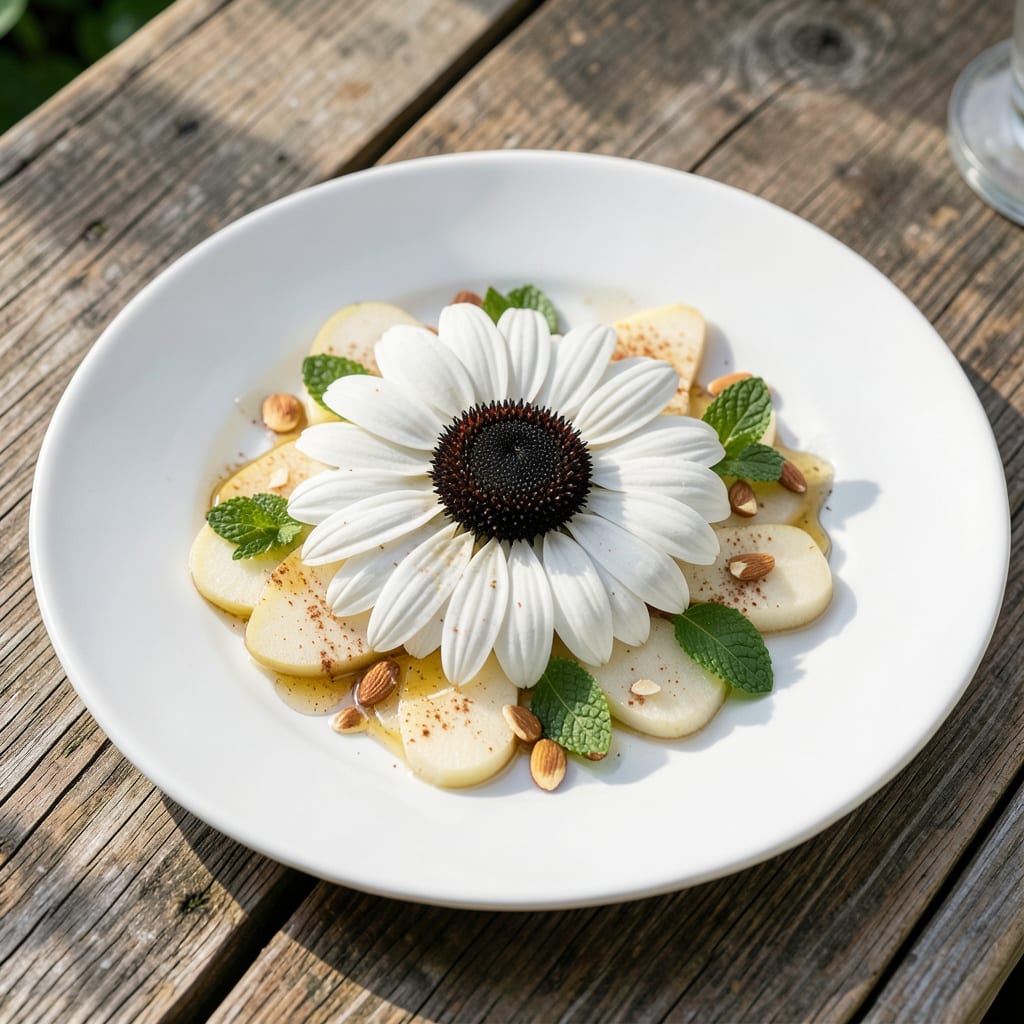
White black-eyed Susans hit different in a sunny border. The stark contrast between those pure white petals and dark centers creates a look that stops people in their tracks.
These plants thrive in full sun with well-draining soil and minimal fuss. You’ll get 2-3 feet of height with blooms from midsummer through fall, and they’ll naturalize over time if you let them.
📚 In This Guide
This method ensures vibrant blooms with minimal effort, perfect for any sunny garden space.
Select a spot that receives full sun for at least 6-8 hours daily. These plants thrive in bright, open areas but tolerate partial shade in hotter climates. The soil should drain well—avoid low-lying areas where water pools after rain.
I always test drainage by digging a 1-foot deep hole, filling it with water, and checking if it empties within 2-3 hours. If water lingers, amend the soil with compost or choose a raised bed to prevent root rot.
Loosen the soil to a depth of 12-15 inches using a garden fork or tiller. Remove rocks, debris, and weeds, which compete for nutrients. White Black Eyed Susans aren’t picky, but they perform best in moderately fertile, well-draining soil.
Mix in a 2-3 inch layer of organic matter like compost or aged manure to boost fertility. This step improves both drainage and moisture retention, which keeps roots healthy during dry spells. Avoid heavy clay or overly sandy soil without amendment.
Dig a hole slightly larger than the root ball of your plant. Place the White Black Eyed Susan in the hole so the top of the root ball sits ½ inch above the soil line—this prevents settling and waterlogging. Backfill with native soil, pressing lightly to remove air pockets.
Space plants 18-24 inches apart to allow for airflow and prevent disease. If planting in groups, stagger them in a triangular pattern for a natural look. Water deeply after planting to help the roots establish.
Give newly planted Susans a thorough soak, ensuring the soil is moist to a depth of 6 inches. For the first two weeks, water every 2-3 days unless rain provides an inch of moisture. Once established, these drought-tolerant plants need water only during prolonged dry spells.
Apply a 2-inch layer of mulch around the base to retain moisture and suppress weeds. Keep mulch 3 inches away from the stems to prevent rot. Straw or shredded bark works well and gradually breaks down to enrich the soil.
Deadhead spent blooms regularly to encourage continuous flowering and prevent self-seeding if you want to control spread. Use sharp pruners to cut back the stems to the base in late fall or early spring to promote fresh growth.
Fertilize lightly in early spring with a balanced, slow-release fertilizer (10-10-10). Avoid over-fertilizing, which can lead to leafy growth at the expense of flowers. With proper care, your White Black Eyed Susans will reward you with striking blooms from midsummer to frost.
These practical insights will help you avoid common pitfalls and get the most vibrant blooms.
Sunlight Strategy: The 6-8 hours of daily full sun isn’t just a suggestion—it’s essential for those bold white petals with dark centers. If your garden gets intense afternoon heat, consider planting where they’ll get morning sun and afternoon shade to prevent scorching.
Drainage Test: That 1-foot deep hole test in Step 1 is your best insurance against root rot. If water doesn’t empty within 2-3 hours, raised beds or soil amendment aren’t optional—they’re necessary. I learned this after losing three plants to waterlogged soil.
Spacing Secret: The 18-24 inch spacing might seem generous, but these plants spread enthusiastically. Planting too close leads to crowded stems and increased disease risk. Trust me, giving them room now saves you from thin, unhealthy plants later.
Mulch Placement: Keeping that 2-inch mulch layer 3 inches away from stems prevents rot while still conserving moisture. Straw works particularly well because it breaks down slowly, feeding the soil as it decomposes over time.
Plant in full sun with well-draining soil. Water regularly until established, then reduce to moderate watering. These hardy perennials thrive in zones 3-9 and bloom from summer to fall.
Expect blooms from mid-summer to early fall, typically July through September. Deadheading spent flowers can encourage a longer blooming period.
Yes! Consider Shasta daisies or white coneflowers for similar contrast. For a native look, try white purple coneflower (Echinacea purpurea ‘White Swan’).
Common issues include too much shade, over-fertilizing (they prefer lean soil), or excessive moisture. Ensure they get 6+ hours of sun and avoid soggy conditions.
Moderately! While no plant is 100% deer-proof, these are less appealing than many other garden plants. Pair with deer-repellent plants like lavender for added protection.
