
Beautiful Plants For Your Interior
Beautiful Plants For Your Interior
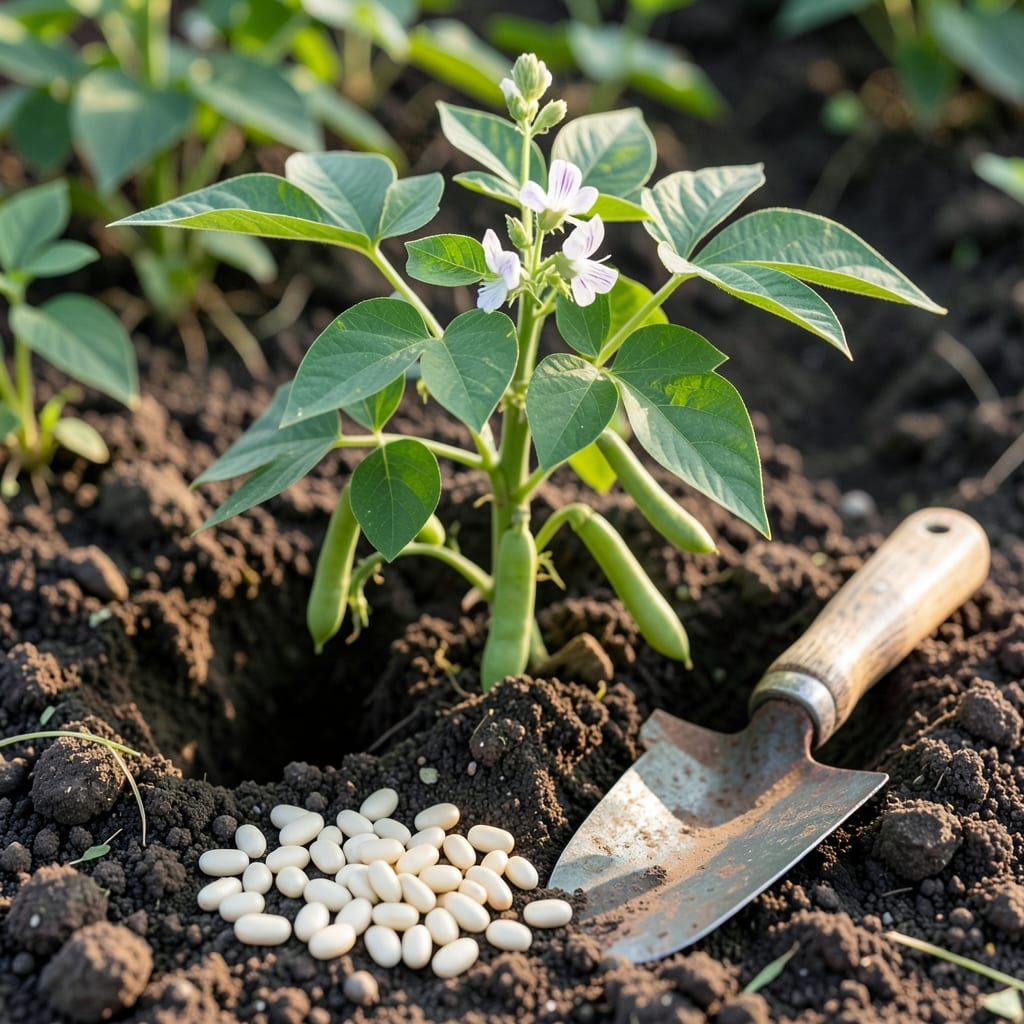
White beans changed how I garden—simple seeds that produce reliable harvests in tight spaces. These plants thrive in warm soil with minimal fuss, and the payoff is fresh beans all season.
I’ve grown them in raised beds and containers with equal success. The key is patience: they take 7-10 days to sprout but reward you with hardy plants that resist most pests. Ready to get started?
📚 In This Guide
Here’s the method I trust to get white beans off to a strong start every time.
Select a location with full sun exposure—white beans thrive with at least 6-8 hours of direct sunlight daily. The soil should be well-draining with a pH between 6.0 and 7.0. I always test the soil first because beans struggle in heavy clay or overly acidic conditions.
Loosen the soil to a depth of 8-10 inches using a garden fork or tiller. Work in 1-2 inches of compost to improve fertility and drainage. Avoid fresh manure, as it can burn young plants. Rake the surface smooth to create an even bed for planting.
Sow the seeds 1-1.5 inches deep and space them 2-4 inches apart in rows that are 18-24 inches apart. This spacing gives plants room to grow without competing for nutrients. Push each seed gently into the soil and cover lightly—firm the soil with your hand to ensure good contact.
Water the area immediately after planting until the soil is evenly moist but not waterlogged. I use a gentle spray to avoid displacing the seeds. If the soil dries out before germination, the seeds may fail to sprout, so keep an eye on moisture levels.
Keep the soil consistently moist during germination, which typically takes 7-14 days depending on soil temperature. Once seedlings emerge, water deeply 1-2 times per week, allowing the top 1 inch of soil to dry between waterings. Overwatering can lead to root rot, so balance is key.
White beans are relatively low-maintenance, but I always mulch around the plants with 1-2 inches of straw to retain moisture and suppress weeds. Avoid touching the stems with mulch, as it can promote disease. Watch for pests like aphids and treat them early if they appear.
Most white bean varieties are bush types, so they don’t need staking, but I still monitor their growth. If plants start to flop over, a light trellis or a few stakes can help keep them upright. Fertilize lightly with a balanced, low-nitrogen fertilizer once the plants are 4-6 inches tall to encourage healthy growth.
Harvest the beans when the pods are firm, plump, and bright green, typically 50-60 days after planting. Pick them regularly to encourage more production. If you’re growing for dry beans, leave the pods on the plant until they turn yellow or brown and the beans inside rattle when shaken.
Here are the key details that make all the difference with your plants.
Sunlight Essentials: In Step 1, the requirement for 6-8 hours of direct sunlight daily isn’t just a suggestion. White beans will produce sparse, weak pods in partial shade. If your garden has limited sun, consider container planting on a sunny patio or balcony to meet this need.
Soil Preparation Tip: The 8-10 inch soil depth mentioned in Step 1 is critical for root development. Shallow soil causes beans to struggle for nutrients. I learned this the hard way after getting stunted plants from poorly prepared beds. Also, that 1-2 inches of compost makes a noticeable difference in plant vigor.
Planting Depth Matters: Step 2 specifies 1-1.5 inches deep for a reason. Planting too shallow exposes seeds to drying out, while too deep can prevent sprouting. I use my finger to measure—first knuckle is about 1 inch, second knuckle gets you to 1.5 inches.
Watering Wisdom: The 7-14 day germination period in Step 3 requires consistent moisture. I check my planting area daily during this time. A spray bottle works perfectly for gentle watering without disturbing the seeds. Once seedlings emerge, that 1-2 times per week deep watering keeps roots growing downward.
White bean seeds typically germinate in 7–14 days under ideal conditions (70–80°F soil, consistent moisture). Cooler soils may delay sprouting. Pre-soaking seeds for 12 hours can speed up the process.
Yes! Direct sowing is best after the last frost when soil warms to 60°F. Plant seeds 1–2 inches deep, spaced 4–6 inches apart. Avoid transplanting, as beans dislike root disturbance.
Issues include poor germination (old seeds or cold soil), damping off (overwatering), or pest damage (birds or beetles). Use fresh seeds, well-draining soil, and row covers to protect young plants.
If starting from seed seems tricky, consider young bean plants from a nursery. Alternatively, try bush varieties like ‘Navy’ or ‘Cannellini’—they’re easier for beginners than pole types.