
Beautiful Plants For Your Interior
Beautiful Plants For Your Interior
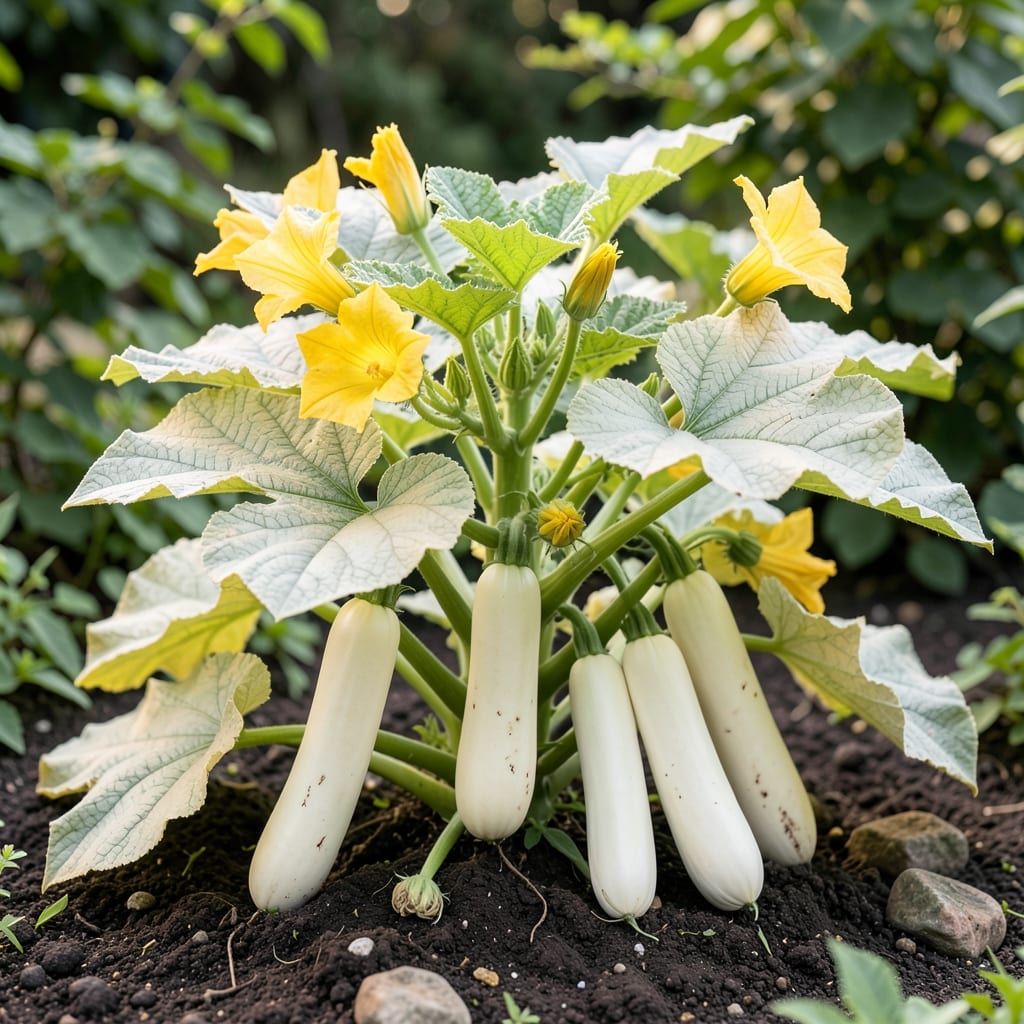
I first grew white albino zucchini on a whim and was stunned by the ghostly pale beauty of the harvest. These plants produce tender, mild-flavored squash that stand out in any garden.
The key is giving them rich soil and consistent water, as they grow fast and need steady nutrition. With the right care, you’ll be picking 6-8 inch fruits every few days at peak season.
📚 In This Guide
Here’s the method I use to produce pale, tender zucchini without a single blemish every season.
Choose a location with full sun exposure—at least 6-8 hours of direct sunlight daily. White albino zucchini thrives in warm conditions, so aim for soil temperatures of 70-85°F before planting. I always test the soil with my hand; if it feels warm to the touch in the morning, it’s ready.
Work the soil to a depth of 12-18 inches, removing any rocks or debris. Mix in a 2-3 inch layer of aged compost to improve fertility and drainage. Avoid fresh manure, as it can burn young plants and introduce weeds.
Sow seeds 1 inch deep and space them 2-3 feet apart in rows that are 4-5 feet apart. If using transplants, dig holes slightly larger than the root ball and set them at the same depth they were in their containers. I like to plant in the evening to reduce stress on the young plants.
Water immediately after planting to settle the soil around the roots. Keep the soil consistently moist but not soggy. You’ll know it’s right when the top 1 inch of soil feels dry to the touch—time to water again.
Once the plants are established, water deeply at the base 1-2 times per week, depending on rainfall. Avoid wetting the leaves to prevent fungal diseases. I use a soaker hose for even, targeted watering that keeps foliage dry.
Mulch around the plants with a 2-3 inch layer of straw or shredded leaves to retain moisture and suppress weeds. This also keeps the pale zucchini clean as they grow, preventing soil stains or rot from contact with damp earth.
Check plants daily for pests like squash bugs or cucumber beetles, especially under the leaves. Handpick any invaders early, or use organic neem oil if needed. I’ve found that a morning inspection with a cup of soapy water for drowning pests works wonders.
Harvest zucchini when they reach 6-8 inches long and the skin is still tender enough to pierce with a fingernail. White albino varieties can blend into the foliage, so look closely. Regular harvesting encourages more production—leave a fruit too long, and the plant may stop setting new ones.
Here’s what I’ve learned through trial and error to get the best harvest possible.
Sunlight and Soil Temperature: The 6-8 hours of full sun is non-negotiable for white albino zucchini. If your garden gets partial shade, consider planting in containers so you can move them to follow the sun. I also recommend using a soil thermometer to confirm the 70-85°F range—my hand test isn’t always accurate.
Planting Depth and Spacing: Stick to the 1 inch deep seed depth and 2-3 feet apart spacing. Planting too deep or too shallow can delay germination or cause weak stems. The same goes for spacing—crowding leads to competition for nutrients and poor air circulation, which invites disease.
Watering Technique: Watering deeply at the base 1-2 times per week is key, but don’t overdo it. The top 1 inch of dry soil is your cue to water again. I use my finger to test—if it comes out clean, it’s time. Drip irrigation or soaker hoses work best to keep foliage dry and prevent mildew.
Harvest Timing: White albino zucchini grows fast, so check daily once the plants start producing. The 6-8 inch length is ideal for tender, flavorful squash. If you miss a day and they grow larger, they’ll still be edible but may develop a tougher skin and more seeds.
Look for pale, almost translucent skin and a creamy white hue. Unlike traditional zucchini, albino varieties lack green pigmentation but maintain the same shape and texture. Check for smooth, firm skin and typical zucchini size.
Yes! These zucchinis are edible raw and have a mild, slightly sweet flavor. Slice them thinly for salads or snacks. However, cooking enhances their tenderness and versatility in dishes like stir-fries or baked goods.
Yellowing may indicate overripeness or exposure to sunlight. Harvest while still firm and white for the best flavor. If left too long, the skin may yellow, and the texture can become tough or seedy.
Pick them when they’re 6-8 inches long and the skin is smooth and white. Early morning is ideal for harvesting to retain freshness. Use a sharp knife or pruners to avoid damaging the plant.
If albino varieties struggle, try classic green zucchini or other pale-skinned types like ‘Caserta’ or ‘Eight Ball.’ Ensure proper soil nutrients, watering, and sunlight to support healthy growth.