
Beautiful Plants For Your Interior
Beautiful Plants For Your Interior
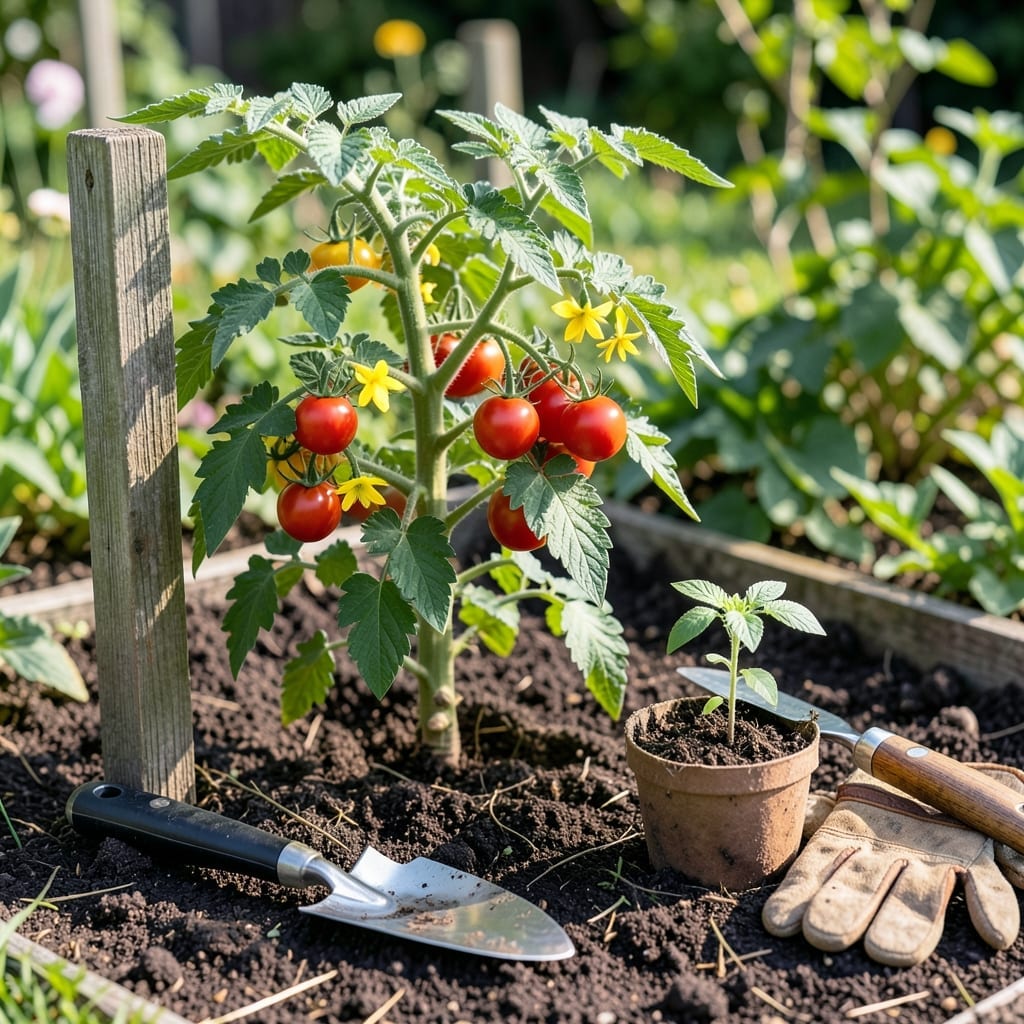
Choosing the right location for your 🍅 Tomato plants can mean the difference between a mediocre harvest and a bumper crop. Sunlight and soil play critical roles in their growth.
I’ve learned through experience that the perfect spot gets 6-8+ hours of daily sunlight and has well-draining soil. These factors directly impact fruit production and plant health.
Let me show you exactly where to plant for the best results. You’ll discover the secrets to a thriving Tomato garden in no time.

I always start by scouting for the sunniest spot in my garden when planting tomatoes. These plants thrive with 6-8+ hours of direct sunlight daily, which fuels photosynthesis and fruit production.
The best locations face south or southwest to maximize sunlight exposure. I’ve noticed my plants in these spots grow taller and stronger with more abundant harvests. It’s all about that golden light.
| Requirement | Specification |
|---|---|
| Sunlight | 6-8+ hours daily |
| Best Direction | South or Southwest |
| Wind Protection | Near fence or wall |
| Heat Reflection | Light-colored surfaces |
Microclimates matter more than you’d think. I plant near light-colored walls or fences that reflect heat, giving my tomatoes a warmth boost. This can make a big difference in cooler climates.
Wind protection is another key factor. I position my plants near natural windbreaks like shrubs or use sturdy stakes to prevent damage. Strong winds can break stems and stress plants.
Tomatoes hate frost pockets. I avoid low-lying areas where cold air settles. Even a slight elevation can protect plants from unexpected late frosts that might harm them.
In my experience, container tomatoes need just as much sun as in-ground plants. I place my pots on sunny patios or driveways, rotating them occasionally for even exposure.
If you’re working with limited space, vertical gardening can help. I train my plants upward on trellises or cages, which also improves air circulation and reduces disease risk.
Remember that morning sun is particularly valuable. It helps dry dew from leaves quickly, reducing fungal diseases that thrive in damp conditions. I always prioritize eastern exposure for this reason.
Finally, watch for heat stress in extreme climates. In very hot areas, I provide afternoon shade to prevent sunscald on fruits. A little protection goes a long way.
☀️I always test my soil before planting tomatoes. The ideal pH range is 6.0-6.8, slightly acidic. This helps tomatoes absorb nutrients efficiently for robust growth and fruit production.
Tomatoes thrive in well-draining, loose soil rich in organic matter. I work in plenty of compost or aged manure to improve fertility. Heavy clay soil can suffocate roots, so I amend it generously.
For container gardening, I use a mix of potting soil, compost, and vermiculite or perlite. This creates a lightweight, well-draining medium perfect for pots. I ensure containers have drainage holes to prevent waterlogging.
I avoid planting tomatoes in the same spot year after year. This crop rotation practice prevents soil-borne diseases from building up. I wait at least 3 years before replanting tomatoes in the same location.
If your soil is too alkaline, you can lower pH by adding elemental sulfur or peat moss. For acidic soil, lime or wood ash can help raise the pH. I retest after amending to ensure the right balance.
Remember that consistent moisture is key. Tomatoes hate soggy roots but need regular watering. I aim for 1-2 inches of water per week, adjusting for rainfall and temperature.
🌱