
Beautiful Plants For Your Interior
Beautiful Plants For Your Interior
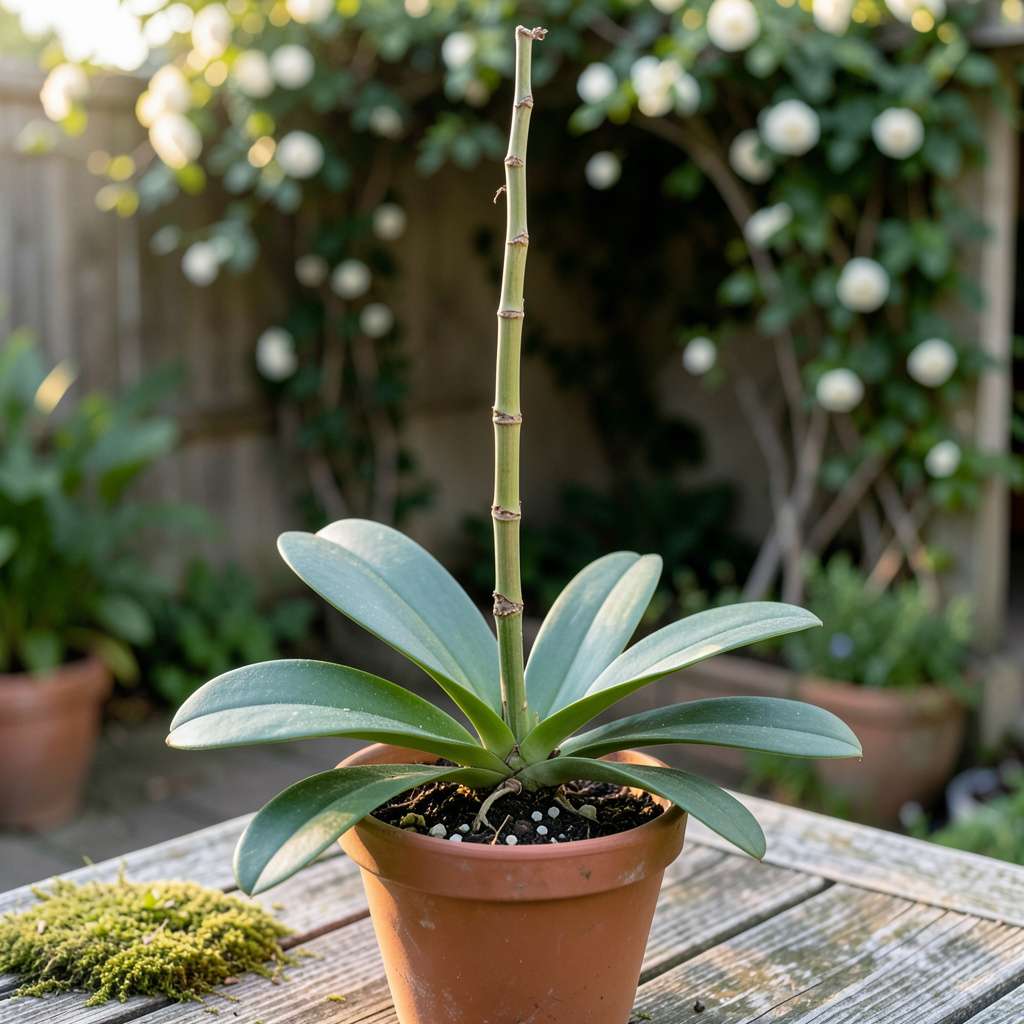
Cut the orchid stem just above a node, typically the second node from the cut end, to stimulate regrowth. Avoid cutting too close to the base to prevent damage.
Understanding where to trim your orchid can make a big difference in its recovery and future blooms. 🌺 Nodes are crucial as they serve as growth points, allowing for new shoots to develop after cutting. By making the right cut, you’re not only promoting healthy regrowth but also preventing potential harm to the plant, ensuring it remains vibrant for years to come.
It’s important to use clean, sharp tools for this task. Additionally, proper aftercare can enhance the chances of successful regrowth. Keeping an eye on your orchid’s environment post-trim can help you address any issues that may arise. 🌱
💡 In This Article
When we cut orchid stems at the right points, we engage in a biological process that stimulates new growth. Nodes, which are the small bumps on the stem, serve as the plant’s growth points. These nodes contain meristematic tissue, which can develop into new shoots when conditions are favorable. 🌱
Pruning just above a node can trigger the orchid’s natural response to regrow. When you cut above the second node from the cut end, you’re giving the plant a clear signal to redirect its energy towards new growth rather than maintaining old stems.
This is crucial for orchids since they rely on their energy reserves to produce flowers and leaves. 🌿
However, cutting too close to the base can risk damaging vital tissues. The base of the stem contains important vascular connections that transport nutrients and water. If these connections are severed improperly, it can lead to rot or hinder the plant’s ability to recover effectively.
Therefore, knowing exactly where to make your cuts is vital for your orchid’s health. ⚡
Additionally, consider the time of year when you make these cuts. Orchids generally thrive during their growing season, which can vary by species. Cutting during this period ensures that your plant can utilize its energy efficiently to heal and grow new shoots. Timing plays a significant role in the success of your pruning efforts. 🔥
After trimming, it’s essential to provide proper aftercare. Keeping the orchid in a well-lit area with appropriate humidity levels encourages healing and growth. Regularly checking moisture levels and avoiding overwatering will also support the plant’s recovery process. 🌺
By understanding the biology behind nodes and how your cuts influence regrowth, you empower yourself as a gardener. This knowledge not only helps maintain your orchids but also enhances their beauty and longevity in your garden. 🌟
