
Beautiful Plants For Your Interior
Beautiful Plants For Your Interior
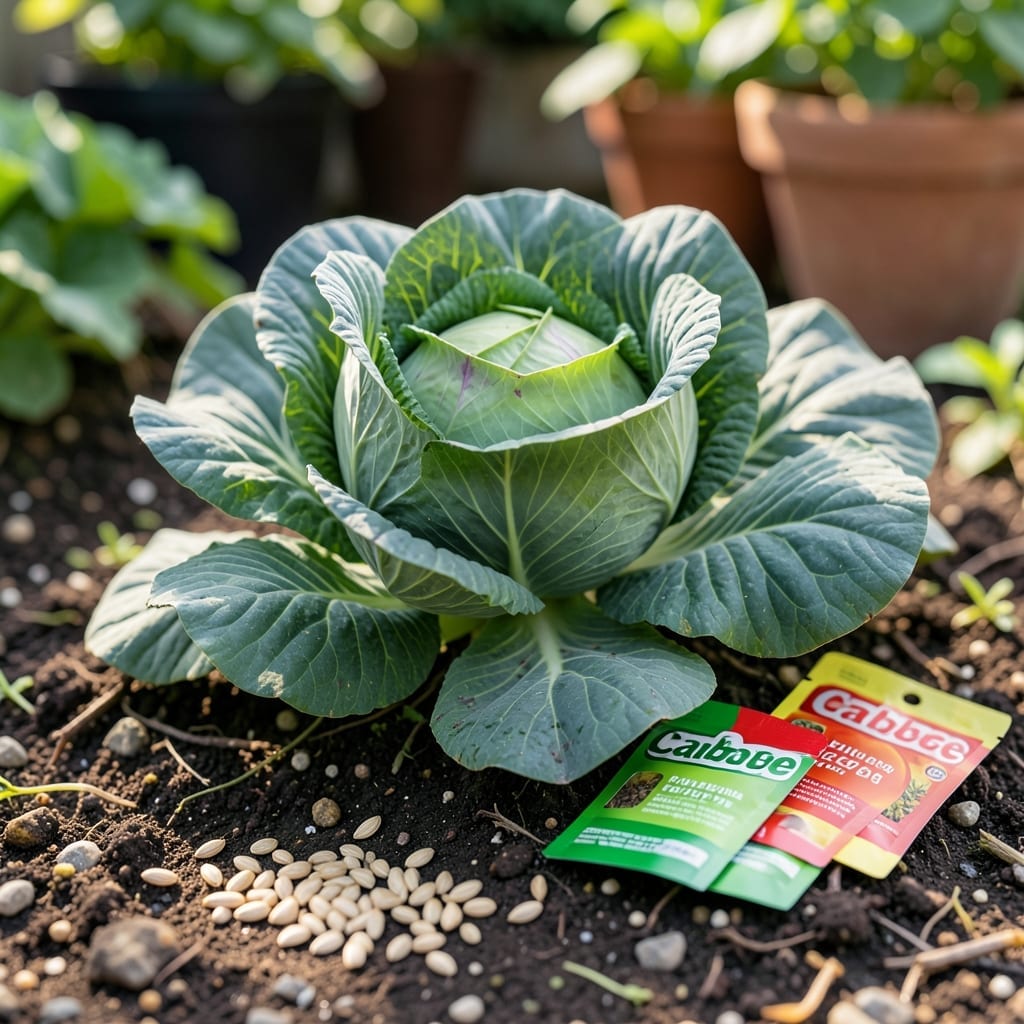
Ever wondered how a single 🥬 Cabbage plant can produce hundreds of new seeds? The journey from garden to seed packet is more fascinating than you might think.
It all starts with letting a mature cabbage plant bolt and flower. This natural process transforms the plant you know into a seed-producing powerhouse.
Discover the simple yet effective steps to harvest your own cabbage seeds, and learn why this method is a game-changer for any gardener.
I often get asked, where do cabbage seeds come from? The answer starts with understanding this plant’s remarkable life cycle. A cabbage plant begins as a seed itself, growing into the leafy head we recognize.
To produce seeds, we must let the cabbage bolt or go to seed. This means allowing the plant to mature past its edible stage and develop flower stalks instead of harvesting the head.
| Stage | Description |
|---|---|
| Seed Germination | Sprouts in 7-14 days under ideal conditions |
| Vegetative Growth | Forms leafy head in 60-80 days |
| Bolting | Sends up flower stalk when mature |
| Flowering | Produces yellow flowers for pollination |
| Seed Formation | Pods develop and contain 15-20 seeds each |
The bolting process typically begins when the plant experiences stress or reaches maturity. You’ll notice a tall flower stalk emerging from the center of the cabbage head.
This stalk will eventually produce yellow flowers that attract pollinators. In my experience, bees and other beneficial insects play a crucial role in cross-pollination between plants. ☀️
After successful pollination, small seed pods begin to form where the flowers were. These pods are the key to your future cabbage crop, as each one contains multiple seeds.
I’ve found that patience is key during this stage. The pods need time to mature and dry on the plant. They’ll turn from green to brown or tan when ready for harvest.
Each mature cabbage plant can produce hundreds of seeds. I once counted over 500 seeds from a single plant! This abundance makes seed saving extremely rewarding for gardeners.
The entire process from planting to seed collection takes about 5-6 months. This timeline depends on your climate and the specific cabbage variety you’re growing.
Remember, the plants you allow to bolt won’t produce edible heads. Their energy goes into flower and seed production instead. This is a natural trade-off in the seed saving process. 🌱
Harvesting cabbage seeds begins with identifying mature pods on the flower stalk. These pods form after the yellow flowers fade and turn brown or tan.
I always look for dry, brittle pods that rattle when shaken—this means the seeds inside are ready. It’s crucial to wait until they’re fully mature to ensure viable seeds for next season.
The best time to harvest is on a dry, sunny day. Moisture can cause the seeds to mold during storage. I learned this the hard way after losing a batch to damp conditions.
After collection, I spread the seeds on a paper towel to dry further for 1-2 weeks. This extra step ensures they’ll store well for years. Properly dried seeds can remain viable for 4-5 years. ☀️
For seed storage, I use envelopes or glass jars. Label them with the variety and date. This simple organization helps me track which seeds perform best in my garden.
Remember, cross-pollination can occur if different cabbage varieties flower nearby. To maintain pure seeds, I plant only one variety at a time or use isolation techniques. 🌱