
Beautiful Plants For Your Interior
Beautiful Plants For Your Interior
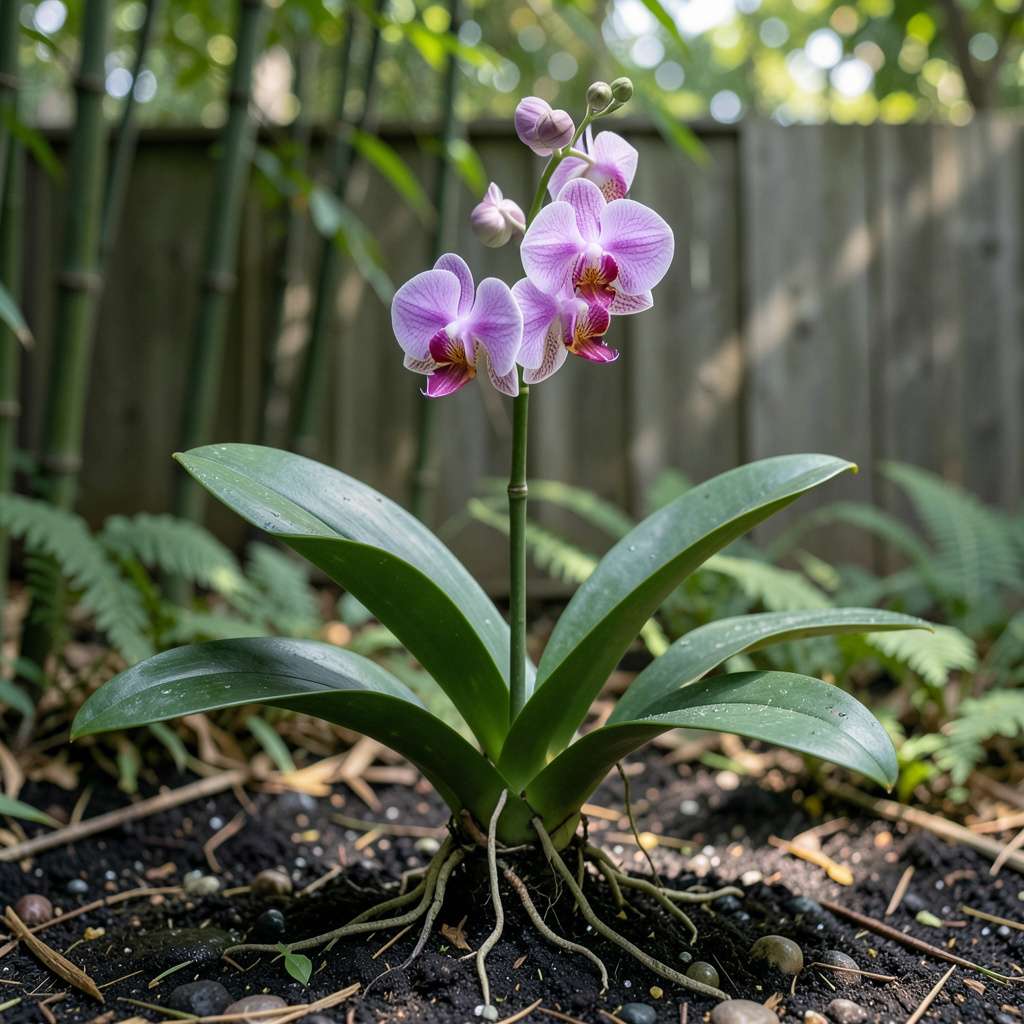
Orchids grow in tropical forests, mountainous regions, and deserts worldwide, thriving in humid, shaded environments. They adapt to diverse climates by growing on trees (epiphytic), rocks (lithophytic), or soil (terrestrial), with Southeast Asia and Central America as biodiversity hotspots.
These fascinating plants exhibit remarkable adaptability, allowing them to flourish in various environments. 🌿 Many orchids develop unique relationships with fungi that help them absorb nutrients, which is essential for their survival in challenging conditions. Additionally, the diversity among species means that some prefer high humidity and shade, while others can tolerate drier climates.
Understanding the natural habitats of orchids can guide us in providing the right conditions for them at home. Whether you’re cultivating them indoors or outdoors, knowing their preferred environments helps ensure their health and longevity. 🌟
💡 In This Article
Orchids are incredibly versatile plants, adapting to various climates around the globe. They thrive in environments that range from the humid rainforests of Southeast Asia to the arid conditions of deserts. This adaptability is primarily due to their unique growth strategies, which include epiphytic, lithophytic, and terrestrial forms. 🌍
In tropical forests, orchids often grow as epiphytes, meaning they attach themselves to trees rather than soil. This allows them to access sunlight while benefiting from the moisture in the air. These plants have specialized roots that can absorb water and nutrients directly from humidity and rain.
For example, a common epiphytic orchid, the Cattleya, can often be found clinging to tree trunks high above the forest floor. 🌿
On the other hand, lithophytic orchids, such as those in the Oncidium genus, grow on rocks, adapting to well-drained environments where moisture can still be captured through rain. These orchids have evolved to withstand harsher conditions while still accessing nutrients through their specialized root systems. 🌟
In contrast, terrestrial orchids grow directly in the soil and often require specific temperature and humidity levels. For instance, the Cypripedium, or lady’s slipper orchid, thrives in shaded woodland areas where soil moisture is consistent. Understanding these diverse habitats helps us replicate suitable conditions for growing orchids at home. 🔍
Furthermore, many orchids form symbiotic relationships with mycorrhizal fungi, which enhance their nutrient absorption capabilities. This partnership is crucial during their seedling stage when they depend on these fungi for essential nutrients like nitrogen and phosphorus. This relationship exemplifies how orchids have evolved to survive in less than ideal conditions. 🌱
Ultimately, recognizing the natural environments where orchids flourish not only informs us about their care but also enhances our appreciation for their complexity. By mimicking these conditions—such as humidity and light levels—at home, we can create thriving habitats for our orchids to bloom beautifully. 🌺
