
Beautiful Plants For Your Interior
Beautiful Plants For Your Interior
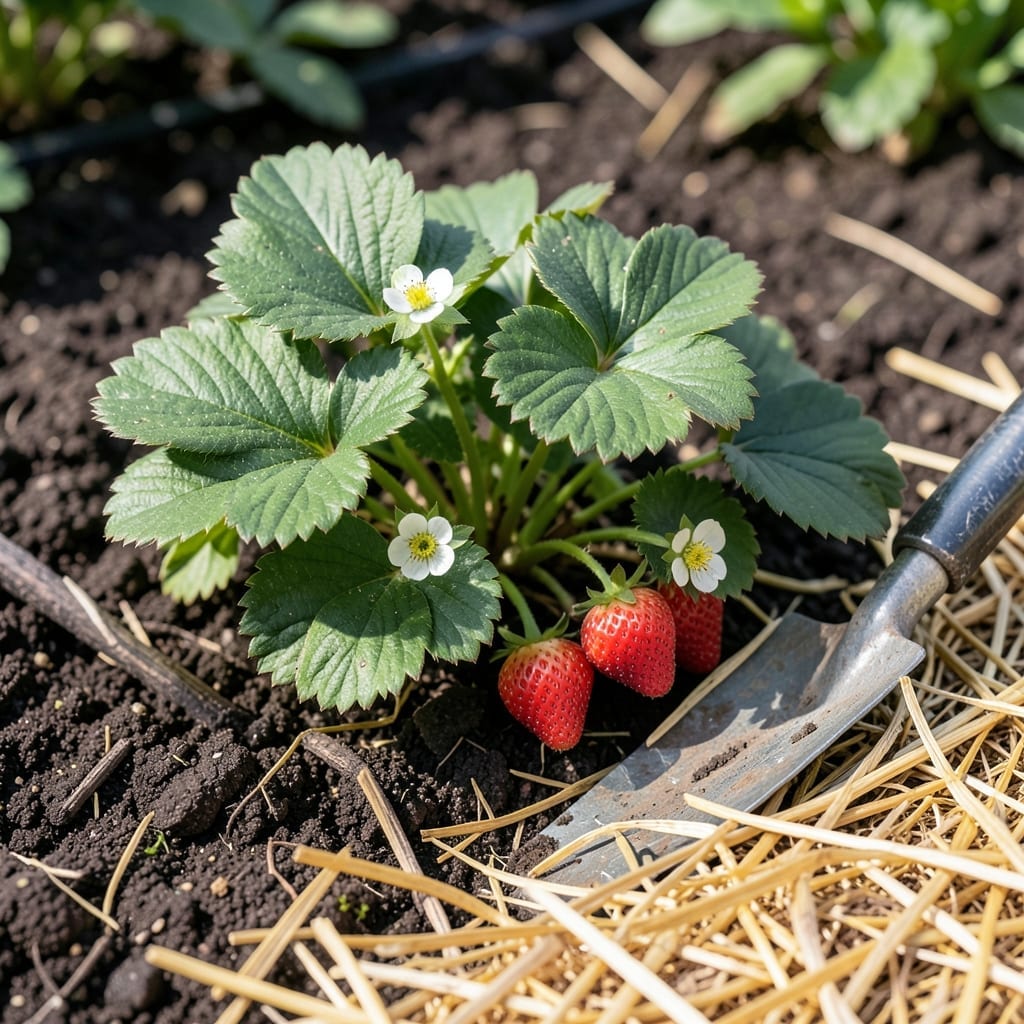
Uncovering your 🍓 Strawberry plants too soon can ruin your harvest. The timing makes all the difference between juicy berries and frost-damaged disasters.
In zone 6a, waiting until after the last frost is the key to success. But how do you know when that moment arrives?
Discover the clear signs to look for and the simple steps to protect your plants. Let me show you how to get this right every time.
Timing your strawberry plant uncovering right can make or break your spring harvest. I always check my USDA hardiness zone first because frost dates vary dramatically across regions.
In zone 6a, I wait until after April 15 when our last frost typically passes. But gardeners in zone 4 might need to wait until early May, while those in zone 8 can often uncover in late February.
| Zone | Uncover Timeframe | Frost Risk |
|---|---|---|
| 3-4 | Early May | High until June |
| 5-6 | Mid-April | Moderate until May |
| 7-8 | Late February | Low after March |
| 9-10 | Early February | Minimal |
Watch your local 10-day forecast closely. I’ve learned the hard way that one late frost can devastate exposed plants. Even in warmer zones, unexpected cold snaps happen.
For June-bearing strawberries, timing is especially critical. These varieties produce one big harvest and need protection until all frost danger passes. Everbearing types are a bit more flexible.
Soil temperature matters too. I use a soil thermometer to check for consistent 40°F+ readings at 4-inch depth. Cold soil can shock roots even if air temperatures seem warm.
Microclimates in your yard affect timing. My south-facing beds warm up 1-2 weeks earlier than north-facing ones. Consider uncovering these areas first while keeping others protected.
Row covers offer flexibility. I keep frost blankets handy to re-cover plants if a cold night is predicted after I’ve uncovered them. This extra layer can mean the difference between healthy plants and frost damage.
Remember that straw mulch can stay a bit longer than synthetic covers. It provides some insulation while still allowing air circulation. I typically remove it gradually over 1-2 weeks rather than all at once.
Your strawberry variety plays a role too. Alpine strawberries are more cold-hardy than many June-bearers. Know your plants’ specific needs for best results.
When in doubt, err on the side of caution. It’s better to wait an extra week than to lose your crop to a surprise frost.
Knowing when to remove winter protection isn’t just about the calendar. I look for nature’s signals that tell me my strawberry plants are ready. The most reliable sign is new green growth emerging from the crown.
Another clear indicator is consistent daytime temperatures above 50°F. When nighttime lows stay above 35°F for 5-7 consecutive days, it’s usually safe to start uncovering gradually.
I always check the soil temperature at a 4-inch depth. Cold soil can stunt growth even if air temps are warm. A simple soil thermometer is an invaluable tool for this.
The condition of your winter mulch matters too. If it’s dry and loose, your plants are likely ready. Wet, compacted mulch can suffocate crowns and should be removed immediately.
Watch for bud formation on your plants. Once you see flower buds developing, it’s definitely time to uncover. These delicate structures are especially frost-sensitive and need protection.
Finally, trust your local phenological signs. When dandelions start blooming or forsythia bushes flower in your area, it’s nature’s way of saying spring has truly arrived for your strawberries.