
Beautiful Plants For Your Interior
Beautiful Plants For Your Interior
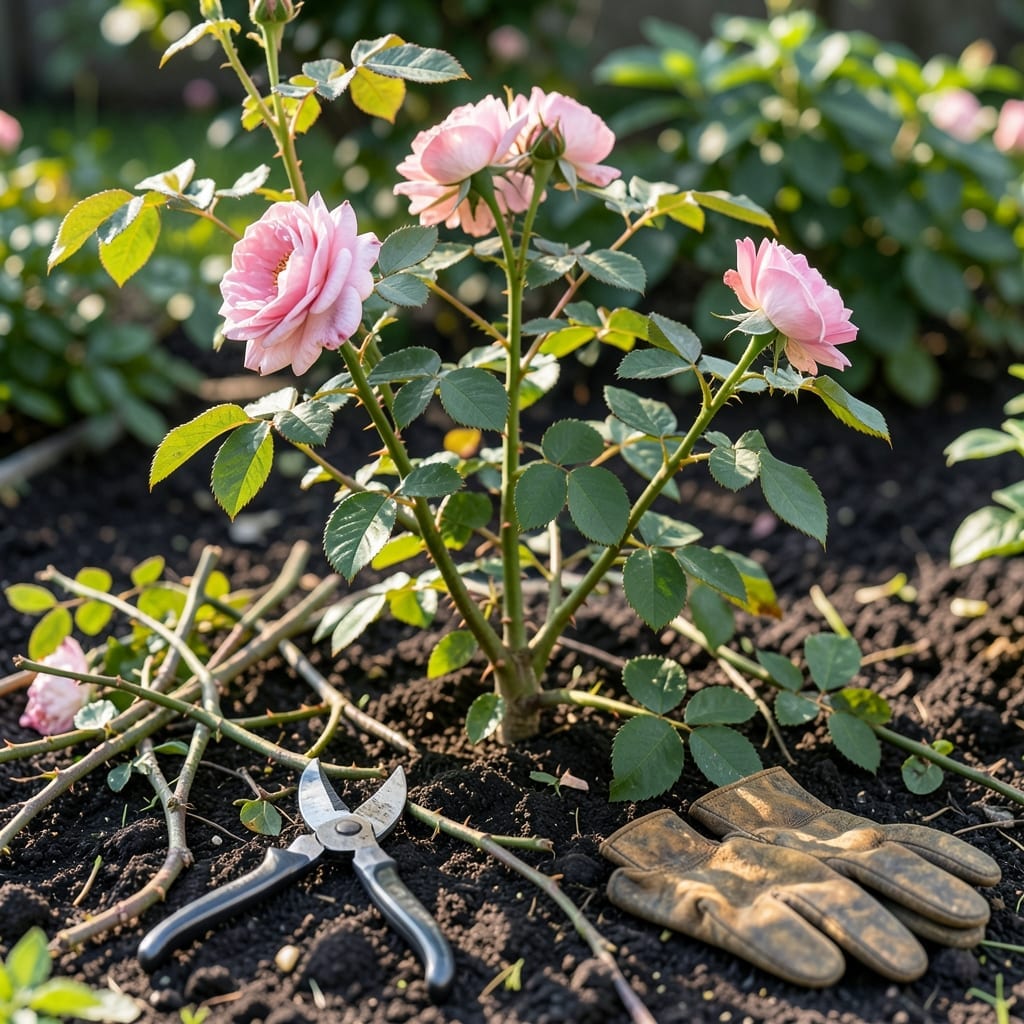
Pruning your 🌹 Rose plants at the right time can make all the difference between a struggling shrub and a thriving garden centerpiece. I’ve seen too many gardeners miss this window and wonder why their blooms are sparse.
Timing your trims correctly encourages healthier growth and more vibrant flowers. Whether you’re new to gardening or have years of experience, getting this right will transform your results.
Discover the seasonal secrets that’ll have your roses looking their best year after year. Let’s get started on the path to your most beautiful garden yet.
Timing your rose pruning correctly is crucial for healthy growth and abundant blooms. Most roses thrive when pruned in late winter or early spring, just as new growth begins.
For repeat-flowering varieties, a light trim after the first bloom encourages more flowers. Climate plays a role too—warmer regions may prune earlier than colder zones.
🌹 Ideal Pruning Windows by Rose Type
| Rose Type | Best Pruning Time |
|---|---|
| Hybrid Teas | Late winter/early spring |
| Floribundas | Late winter/early spring |
| Climbers | After first bloom |
| Shrub Roses | Late winter/early spring |
| Old Garden Roses | After flowering |
In cold climates, wait until the last frost has passed to avoid frost damage to new growth. Pruning too early can expose tender stems to freezing temperatures.
Late winter pruning helps remove dead or diseased wood while shaping the plant. This is when dormant roses are least stressed by the process.
For summer maintenance, deadheading spent blooms keeps your roses looking tidy. This isn’t heavy pruning but helps redirect energy to new growth.
If you’re in a mild climate, you might get away with pruning in early February. But in colder zones, March or early April is safer.
Climbing roses are the exception—they bloom on old wood, so prune them right after they finish flowering to avoid cutting off next year’s blooms.
Always use sharp pruners and make clean cuts at a 45-degree angle. This helps the plant heal faster and reduces the risk of disease.
Remember, the goal is to create an open center that allows for good air circulation. This prevents fungal issues and encourages strong, healthy canes.
With these timing tips, your roses will reward you with vibrant blooms and lush foliage all season long ✂️
Different rose varieties need tailored pruning approaches. I’ll walk you through the specifics for each type so you can prune with confidence and precision.
Hybrid teas and floribundas benefit from a hard prune in late winter. Cut back to 3-5 strong canes about 18-24 inches from the ground.
🌹 Pruning Steps by Rose Type
For climbing roses, prune after flowering to preserve blooms for next year. Remove only old or diseased wood and shape lightly.
Shrub roses are forgiving—just remove dead wood and shape as needed. They bloom on both old and new wood, so don’t over-prune.
Old garden roses often bloom once per season. Prune them right after flowering to avoid cutting off next year’s blooms.
Always use clean, sharp tools and make cuts at a 45-degree angle just above a bud eye. This encourages healthy new growth and prevents disease.
With these tailored approaches, each rose type will thrive and reward you with its best possible blooms ✂️