
Beautiful Plants For Your Interior
Beautiful Plants For Your Interior
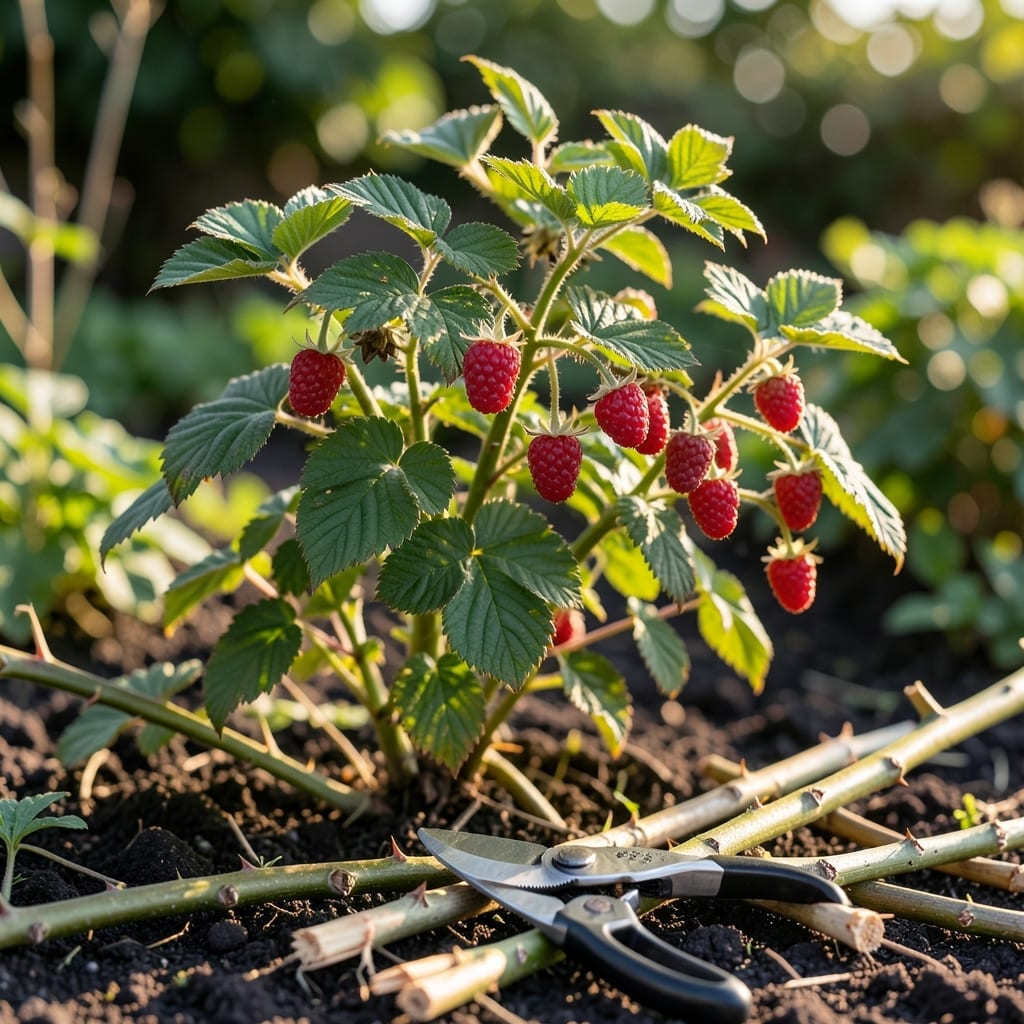
Pruning raspberry canes at the right time is the key to healthier plants and bumper harvests. Do it wrong, and you risk stunting growth or losing next year’s fruit.
I’ve seen many gardeners struggle with when to trim their 🍇 Raspberry, but timing makes all the difference. Whether you’re growing summer-bearing or fall-bearing varieties, the right schedule ensures stronger canes and bigger yields.
Discover the simple seasonal secrets that will transform your raspberry patch. Let’s break it down step by step.
Timing your raspberry pruning correctly can make or break your harvest. I’ve learned that summer-bearing and everbearing varieties need different approaches. The key is understanding their unique growth cycles.
For summer-bearing raspberries, pruning after harvest in late summer gives new canes time to establish. But everbearing types often do best with a spring trim and a light fall cleanup. ✂️
| Raspberry Type | Best Pruning Time | What to Remove | Frequency |
|---|---|---|---|
| Summer-Bearing | Late summer after harvest | Old floricanes, weak canes | Annually |
| Everbearing (Fall) | Early spring, late fall | Dead canes, thin growth | Twice yearly |
| Everbearing (Summer) | After summer harvest | Spent canes, diseased wood | Annually |
With summer-bearing raspberries, I always prune right after the final harvest. This removes the old floricanes that have finished producing, making room for next year’s growth. It’s a simple but critical step for plant health.
Everbearing raspberries are more flexible. I do a light prune in early spring to remove any winter-damaged canes. Then, after the fall harvest, I cut back all canes to the ground. This encourages strong new growth for next season.
If you’re in a cold climate, like USDA Zone 6a, wait until spring to prune. This prevents winter dieback from exposing your plants to harsh conditions. In milder areas, late fall pruning works well.
For black raspberries and purple raspberries, I follow the same rules as summer-bearing types. These varieties produce on two-year-old canes, so timing is everything. Prune too early, and you’ll lose next year’s fruit.
Remember, thinning out weak or overcrowded canes improves air circulation. This reduces disease risk and ensures bigger berries. I aim to leave about 6-8 canes per foot of row.
Always use sharp pruning shears and make clean cuts at a 45-degree angle. This helps the plant heal faster and prevents disease entry. Sterilize your tools between cuts if you’re removing diseased wood.
Finally, don’t forget to mulch after pruning. A 2-3 inch layer of organic mulch helps retain moisture and suppresses weeds. It’s the perfect finishing touch to your pruning routine. 🌱
Pruning raspberry canes properly boosts plant health and fruit production. I always start by gathering the right tools: sharp bypass pruners and sturdy gloves to protect my hands from thorns.
First, I identify and remove all dead canes, which are brown, brittle, and dry. Next, I cut out weak or spindly growth at the base to focus the plant’s energy on strong canes. ✂️
For summer-bearing raspberries, I cut the old floricanes down to the ground immediately after they finish fruiting. These canes won’t produce again, so removing them directs energy to new growth.
With everbearing raspberries, I prune differently. In early spring, I remove any winter-damaged wood. After the fall harvest, I cut all canes to the ground to encourage vigorous new shoots next year.
I always make cuts at a 45-degree angle just above a healthy bud. This helps water run off and prevents rot. Using sterilized tools between cuts stops disease from spreading between plants.
After pruning, I apply a 2-3 inch layer of organic mulch around the base. This keeps the soil moist and suppresses weeds that compete with my raspberries for nutrients. 🌱