
Beautiful Plants For Your Interior
Beautiful Plants For Your Interior
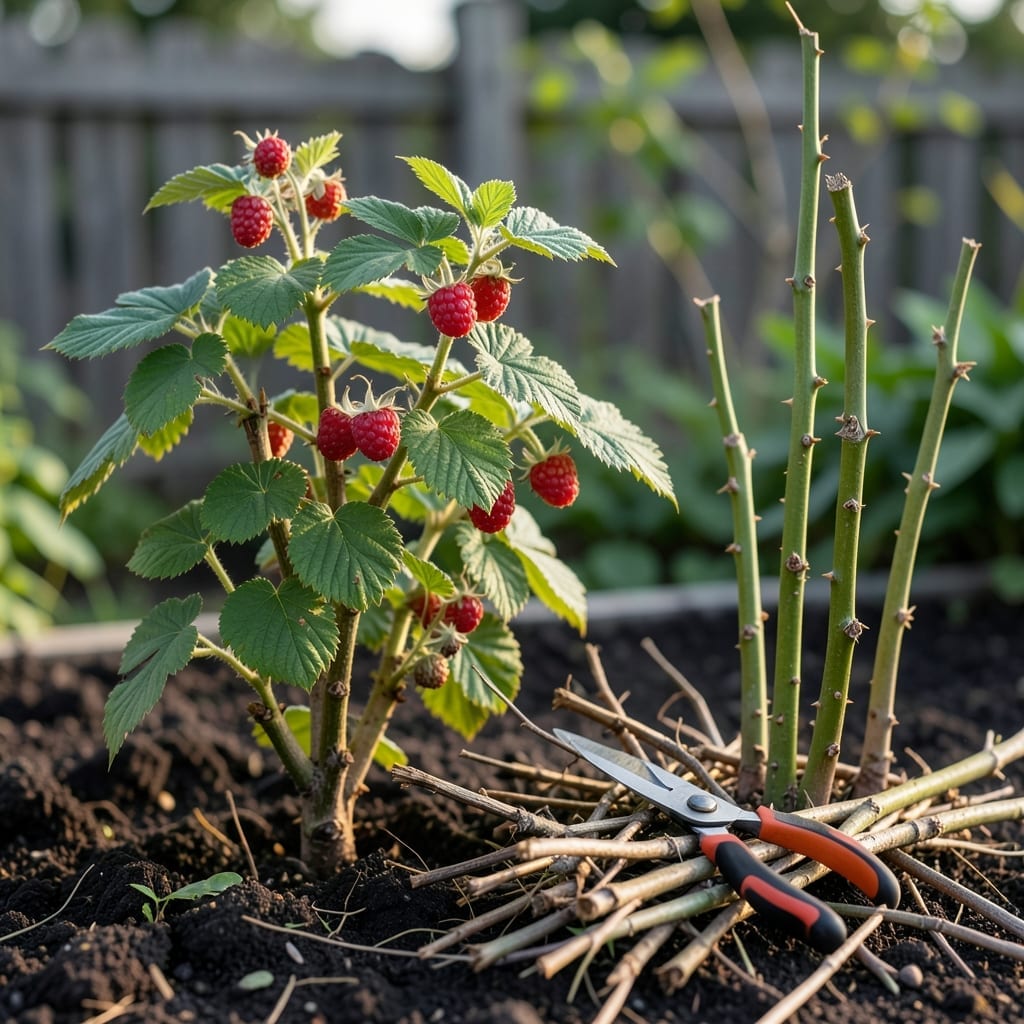
Trimming your 🍇 Raspberry plants at the right time can make all the difference between a bumper crop and a disappointing harvest. It’s not just about keeping them tidy – it’s about encouraging stronger growth and more fruit.
Whether you’re growing summer-bearing or fall-bearing varieties, timing is everything. Prune too early or too late, and you might be sacrificing next year’s berries without even realizing it.
Discover the simple seasonal cues that tell you it’s time to reach for those pruners, and watch your Raspberry bushes thrive like never before.
Timing your raspberry pruning correctly is the secret to bigger harvests and healthier plants. Summer-bearing and fall-bearing varieties have different needs, so knowing which type you’re growing is essential.
For summer-bearing raspberries, I always prune right after harvest in midsummer. This gives new canes time to establish before winter while removing old, fruit-spent canes that won’t produce again.
| Variety | Pruning Time | Key Action |
|---|---|---|
| Summer-bearing | After harvest | Remove old floricanes |
| Fall-bearing | Late winter or early spring | Cut all canes to ground level |
| Both types | Anytime | Remove diseased canes immediately |
With fall-bearing raspberries, I take a different approach. These produce fruit on first-year canes, so I cut all canes down to ground level in late winter before new growth starts.
This might seem drastic, but it encourages vigorous new growth that will bear fruit that same fall. If you’re in a milder climate, you can also do this pruning in early spring just as buds begin to swell.
For both types, I always thin out weak canes during the growing season. Look for spindly or damaged canes and remove them at ground level. This improves air circulation and reduces disease risk.
Remember that regional differences matter. In colder zones, finish all pruning before the last frost. In warmer areas, you might get away with pruning a bit later into spring.
I’ve found that marking your calendar helps. For summer-bearing, that’s July or August post-harvest. For fall-bearing, it’s February or March. These windows ensure your plants have time to recover.
Pro tip: Always use clean, sharp pruners to make clean cuts. This prevents tearing the canes, which can invite disease. I keep a small container of rubbing alcohol nearby to disinfect between cuts.
By following these variety-specific schedules, you’ll maximize fruit production while keeping your raspberry patch healthy and manageable for years to come. ✂️
Pruning raspberry canes properly keeps your patch productive and disease-free. The first step is learning to identify old vs. new canes, which look very different.
Floricanes (old, fruited canes) are brown and woody, while primocanes (new growth) are green and flexible. For summer-bearing types, I remove all floricanes after harvest since they won’t fruit again.
For fall-bearing raspberries, I cut all canes to ground level in late winter. This encourages strong new growth that will produce fruit that fall.
When thinning, I aim for 4-6 healthy canes per foot of row. This spacing ensures good air circulation and sunlight penetration, which are key for preventing fungal diseases.
Always make cuts at a 45-degree angle just above a bud node. This helps water run off and prevents rot at the cut site. I also remove any crossing or rubbing canes to prevent damage.
After pruning, I clean up all debris from the ground. Old canes can harbor pests and diseases, so it’s important to remove them completely from the garden area.
With these techniques, your raspberry plants will be healthier, more productive, and easier to manage season after season. ✂️