
Beautiful Plants For Your Interior
Beautiful Plants For Your Interior
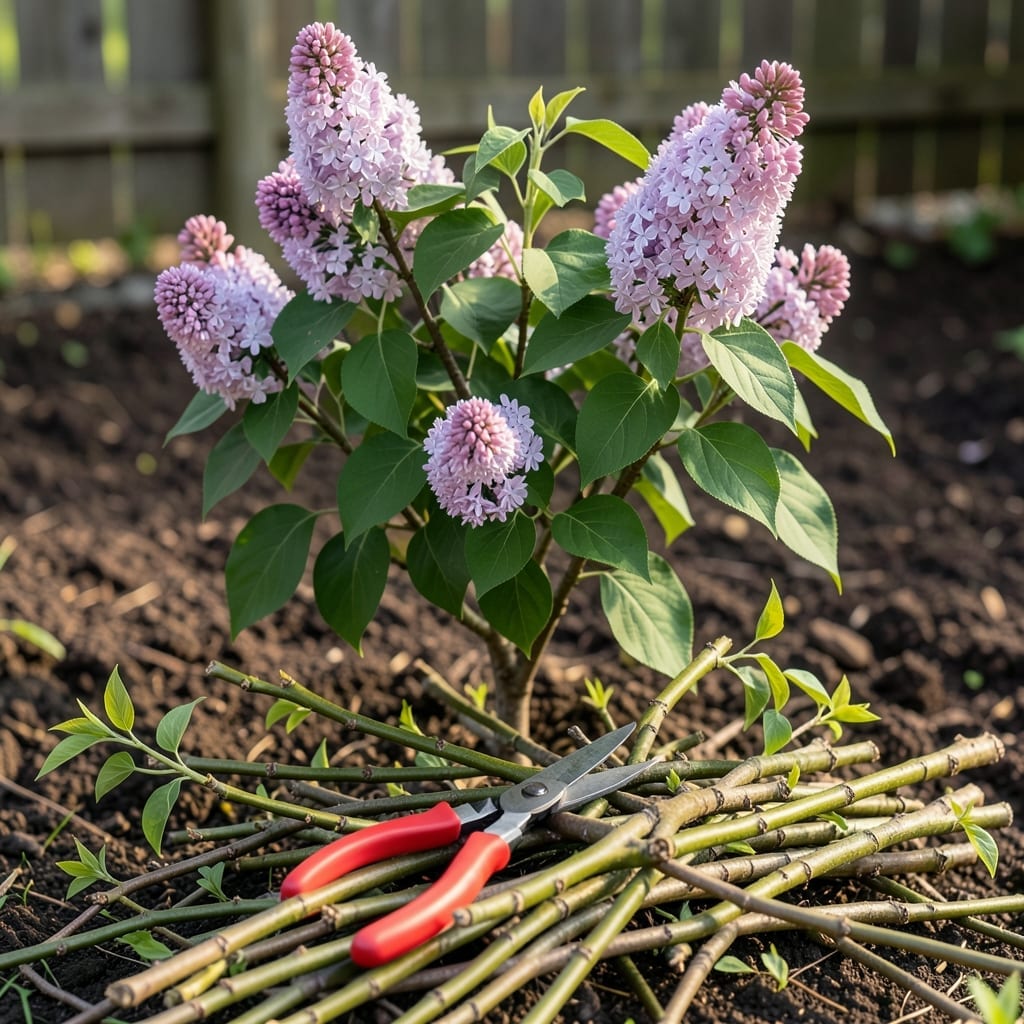
Timing is everything when it comes to trimming Lilac 🌸 shrubs—do it wrong, and you might sacrifice next year’s blooms. I learned this the hard way after accidentally pruning mine in late summer.
Discover the perfect window to prune for lush, vibrant flowers every spring. It’s all about working with the plant’s natural growth cycle.
Let me show you exactly when to pick up those shears and how to avoid the most common mistakes that leave gardeners bloom-less.
The best time to trim lilacs is immediately after they finish blooming in spring. I’ve found this timing ensures you don’t accidentally cut off next year’s flower buds, which form in early summer.
Lilacs set their flower buds for the next season shortly after the current blooms fade. Pruning at this stage gives the plant time to recover and produce new growth before winter.
| Stage | Action | Timing |
|---|---|---|
| Bloom Fade | Prune spent blooms | Late spring |
| New Growth | Shape and thin | Early summer |
| Avoid Pruning | No cuts | Late summer-frost |
If you wait until late summer or fall, you risk removing the buds that would have become next year’s flowers. I’ve seen gardeners make this mistake and wonder why their lilacs didn’t bloom.
In colder climates like USDA zones 3-4, finish pruning by early July to give the plant enough time to harden off before winter. This is especially important for young or newly planted lilacs.
For warmer regions like zone 7, you might have a slightly longer window, but the same rule applies: prune right after blooming to avoid disrupting the growth cycle.
If your lilac is overgrown, you can do some light shaping in early spring before buds swell, but avoid heavy pruning at this time. I’ve found that gradual renewal over a few years works best.
Always use sharp pruners to make clean cuts. Ragged cuts can invite disease and slow healing. I keep a pair of bypass pruners handy just for my lilacs.
After pruning, give your lilac a balanced fertilizer to support new growth. This helps the plant recover and set plenty of buds for next year’s display.
Remember, lilacs are tough plants, but they reward proper timing with an abundance of fragrant blooms. Stick to the post-bloom window, and you’ll enjoy a spectacular show year after year ✂️
Pruning lilacs properly starts with the right tools. I always grab my bypass pruners and loppers for thicker branches. Clean, sharp blades prevent tearing the wood and spreading disease.
Begin by removing spent flower clusters first. This prevents seed formation and directs energy toward next year’s buds. I do this as soon as the blooms start to fade.
When shaping, cut just above a leaf node or branch junction. I aim for a natural shape that maintains good airflow. Avoid leaving stubs, as they can invite pests.
For old, neglected lilacs, don’t try to renovate all at once. I spread the work over 3 years, removing about a third of the oldest canes each year. This prevents shock.
Always sanitize your tools between cuts if you’re removing diseased wood. I keep a 10% bleach solution handy for this purpose. It’s a small step that prevents big problems.
After pruning, I give my lilacs a light feeding with a balanced fertilizer to support new growth. This helps the plant recover and set plenty of buds for next year ✂️