
Beautiful Plants For Your Interior
Beautiful Plants For Your Interior
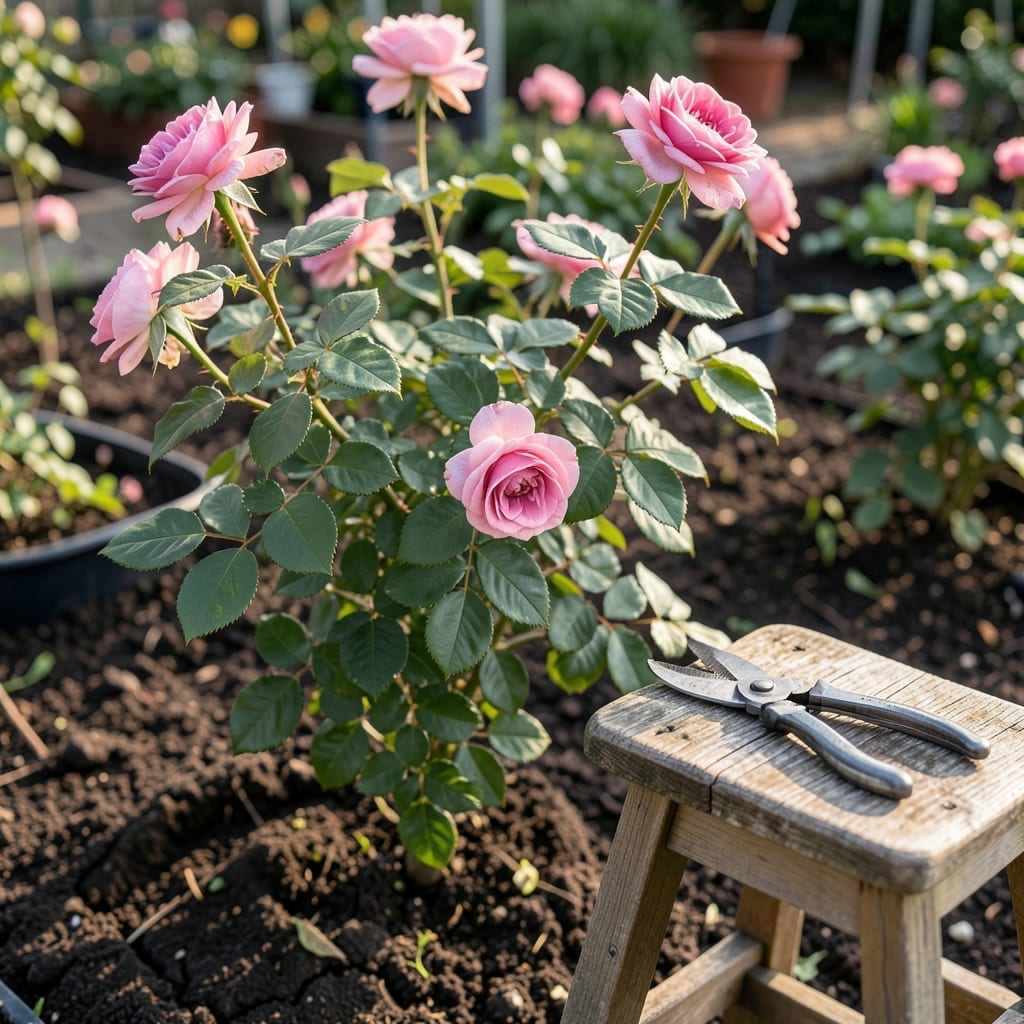
Knowing exactly when to trim Knock Out rose 🌹 bushes can mean the difference between a lackluster shrub and a vibrant, flower-covered centerpiece in your garden.
These hardy, repeat-blooming roses thrive with the right pruning schedule, but timing is everything. Do it right, and you’ll be rewarded with lush growth and abundant blooms all season long.
Discover the best seasonal windows and regional considerations to keep your roses healthy and flourishing year after year.
The ideal time to trim your Knock Out roses is in late winter or early spring, just as new growth begins to emerge. This timing allows the plant to focus its energy on producing strong, healthy stems and abundant blooms.
For most gardeners in USDA zones 5-11, this means pruning in March or early April. However, if you live in a warmer climate, you might start as early as February. Always watch for the first signs of new growth as your cue.
| Pruning Window | Best Timeframe | Purpose |
|---|---|---|
| Major Pruning | Late winter/early spring | Shape plant, remove dead wood |
| Light Trimming | After each bloom cycle | Encourage more flowers |
| Fall Cleanup | Late fall (optional) | Prevent winter damage |
A second, lighter pruning can be done in late summer or early fall to shape the bush and remove any dead or diseased canes. This helps maintain airflow and reduces the risk of fungal diseases.
I always recommend avoiding heavy pruning in late fall in colder climates, as it can stimulate new growth that may be damaged by frost. Instead, do a light cleanup and save major cuts for spring.
For repeat blooming varieties like Knock Out roses, you can also do light deadheading throughout the growing season. Simply snip off spent blooms just above a leaf node to encourage more flowers.
The key is to prune when the plant is dormant for major cuts, and only do light trimming during active growth periods. This approach minimizes stress and maximizes blooming potential.
If you’re in a mild winter area, you might get away with pruning a bit earlier. But in regions with harsh winters, waiting until spring ensures your roses won’t suffer cold damage.
Remember that Knock Out roses are forgiving, so don’t stress over perfect timing. Even if you’re a little early or late, these tough plants usually bounce back beautifully.
After pruning, I always give my roses a balanced fertilizer to support new growth. This helps them recover quickly and produce those stunning, colorful blooms we all love.
With the right timing and care, your Knock Out roses will reward you with months of vibrant color and healthy growth. ✂️
Pruning Knock Out roses doesn’t have to be intimidating. I start by gathering the right tools: sharp bypass pruners, long-handled loppers, and gardening gloves for protection against thorns.
First, remove any dead or diseased wood, cutting back to healthy tissue. Then, shape the bush by trimming crossing branches and opening up the center for better airflow and sunlight penetration.
When making cuts, always angle them at 45 degrees just above an outward-facing bud. This encourages new growth to develop away from the center, creating a more open and healthy plant structure.
I aim to reduce the overall height by about one-third, but never remove more than half the plant in a single pruning session. This keeps the rose vigorous while maintaining its natural shape.
After pruning, I always clean up all debris around the base to prevent pests and diseases. A light application of balanced fertilizer helps kickstart new growth for the season.
Remember that Knock Out roses are low-maintenance, so don’t overcomplicate it. With these steps, you’ll have a healthier, more floriferous plant in no time. ✂️