
Beautiful Plants For Your Interior
Beautiful Plants For Your Interior
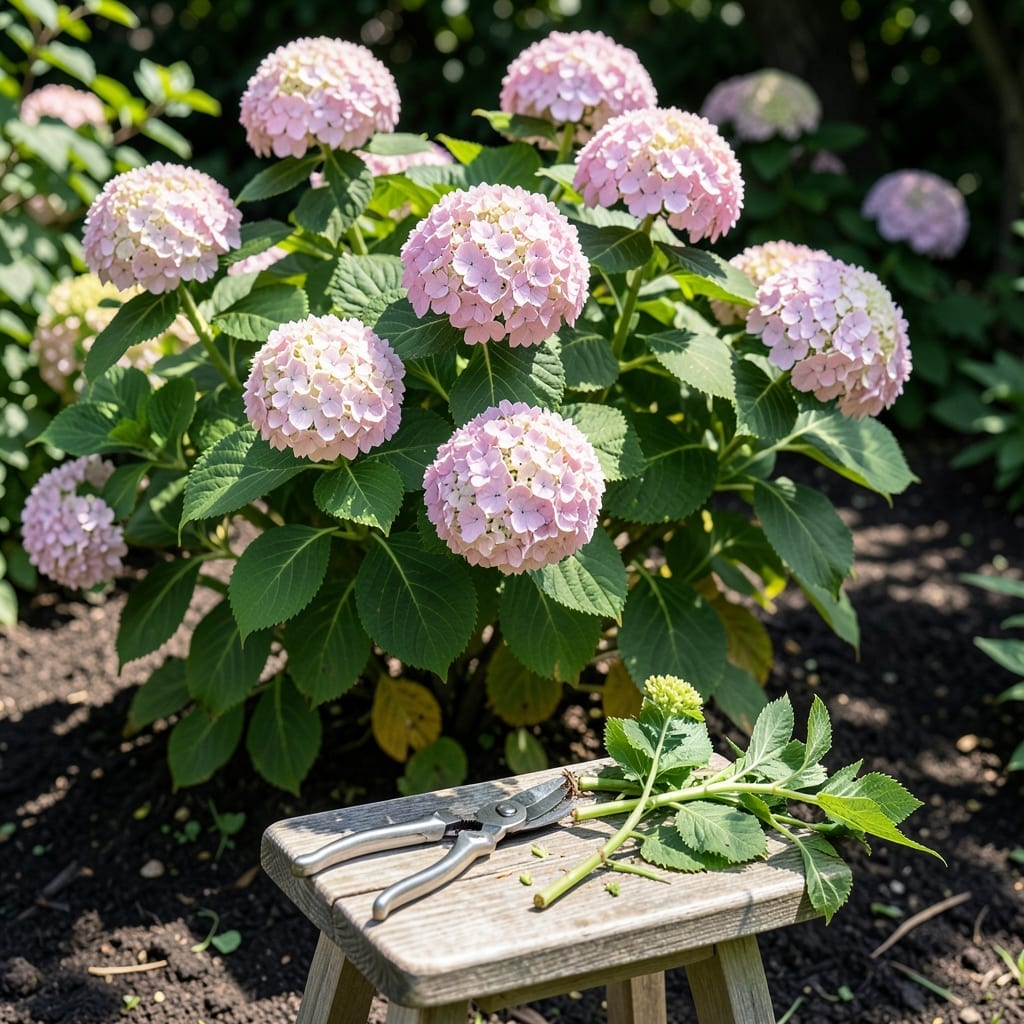
Timing your hydrangea trimming wrong in Ohio can mean a season without blooms. I’ve seen gardeners make this mistake and regret it when their 🌸 Hydrangea fails to flower.
Ohio’s 6a climate demands precise timing for each variety. Whether you have bigleaf, panicle, or oakleaf types, understanding their blooming cycles is the key to success.
Let me share the exact pruning schedule that keeps gardens vibrant year after year. Discover how to make every cut count for healthier, fuller blooms.
Ohio’s Zone 6a climate means hydrangea pruning timing is crucial for blooms. Each variety has unique needs based on whether it flowers on old wood or new wood. Get this wrong, and you’ll miss a season of color.
I’ve found that understanding the blooming cycle is the first step. Bigleaf and oakleaf hydrangeas bloom on old wood, while panicle and smooth types flower on new growth. This difference dictates when to trim. ✂️
| Variety | Blooms On | Pruning Time |
|---|---|---|
| Bigleaf | Old Wood | After flowering (summer) |
| Oakleaf | Old Wood | After flowering (summer) |
| Panicle | New Wood | Late winter or early spring |
| Smooth | New Wood | Late winter or early spring |
For old-wood bloomers, pruning in spring removes potential flower buds. I always wait until after the summer blooms fade to trim these varieties. This ensures I don’t accidentally cut off next year’s flowers.
New-wood bloomers are more forgiving. Since they flower on current season’s growth, I prune them in late winter or early spring while they’re still dormant. This gives them plenty of time to produce new growth and blooms.
In Ohio, late February to early March is ideal for new-wood varieties. For old-wood types, July or August works best after the blooms have passed their peak. Always check for local frost dates too.
I use sharp bypass pruners for clean cuts. Dull tools can crush stems, inviting disease.
After pruning, I give my hydrangeas a balanced fertilizer to support new growth. A 2-inch layer of mulch helps retain moisture and protect roots during Ohio’s variable weather.
Watch for signs of stress like wilting or yellowing leaves. These can indicate improper timing or technique. Adjust your approach if you notice these warning signs.
With this schedule, your hydrangeas will thrive and reward you with abundant blooms season after season. 🌸
Pruning hydrangeas correctly in Ohio’s Zone 6a starts with identifying whether your plant blooms on old wood or new wood. This simple check prevents a season of missed flowers.
I always examine the stems first. Old wood appears darker and woodier, while new growth is lighter and greener. For bigleaf and oakleaf types, I look for last year’s flower buds to avoid cutting them off. ✂️
For old-wood bloomers, I make my cuts right after the flowers fade. I remove about 1/3 of the oldest stems at ground level to encourage new growth. This keeps the plant healthy without sacrificing next year’s blooms.
With new-wood varieties, I prune in late winter while the plant is still dormant. I cut back the entire plant by 1/3 to 1/2 of its height. This aggressive pruning encourages vigorous new growth and abundant flowers.
I always sterilize my pruners with rubbing alcohol between plants to prevent disease spread. After pruning, I clean up all debris to keep the area tidy and reduce pest hiding spots.
The final step is applying a slow-release fertilizer to support recovery. I water deeply after pruning to help the plant establish its new growth. This care ensures my hydrangeas bounce back stronger each season. 🌸