
Beautiful Plants For Your Interior
Beautiful Plants For Your Interior
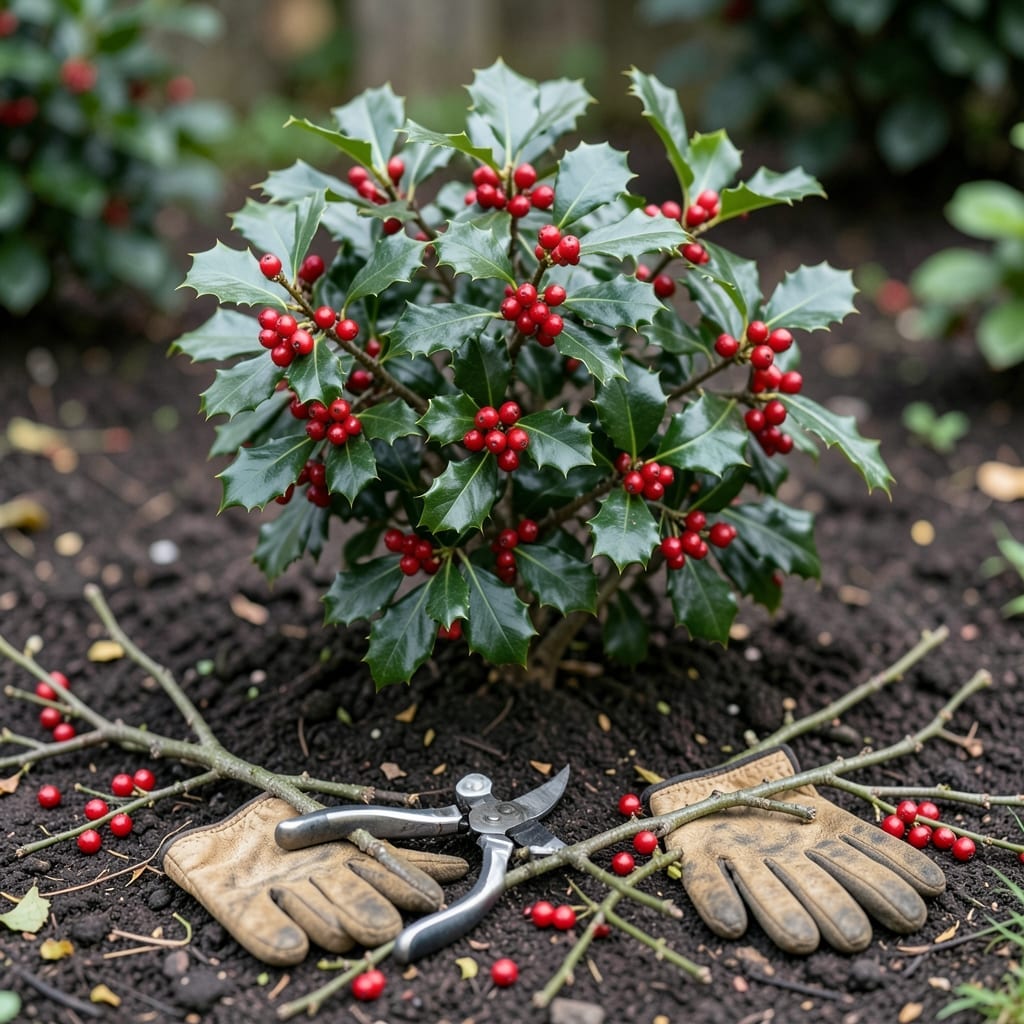
Trimming holly plants at the right time makes all the difference for vibrant foliage and abundant berries. Get it wrong, and you risk stunting growth or losing next season’s blooms.
The 🌿 Holly thrives best when pruned in early spring or fall, especially in zones 5-9. This timing helps avoid stressing the plant during active growth periods.
Let me show you the most effective seasonal approach to keep your holly healthy and looking its best year-round.
Timing is everything when it comes to pruning holly plants. I’ve found that trimming at the wrong time can stress the plant and reduce berry production. The best windows are late winter or early spring before new growth starts.
For evergreen holly varieties, I recommend pruning in March or April. This gives the plant time to recover before summer heat. Deciduous hollies can be trimmed a bit later, in early spring after dormancy ends.
| Season | Best Time | Why It Works |
|---|---|---|
| Late Winter | February | Before new growth starts |
| Early Spring | March-April | Promotes healthy regrowth |
| Fall | September-October | Avoids winter stress |
Avoid pruning in late summer or early fall, as this can stimulate new growth that won’t harden off before winter. I’ve seen this mistake lead to frost damage on tender new shoots.
If your holly is berry-producing, timing is even more critical. Prune immediately after the berries fade in late winter to avoid cutting off this season’s flower buds. This ensures a full berry display next year.
For formal hedges, I recommend light trimming in early summer after the first flush of growth. This helps maintain shape without sacrificing next year’s berries. Just don’t remove more than one-third of the growth at once.
In warmer climates (zones 8-9), you can prune a bit later in spring. But in cooler zones (5-7), stick to early spring to give plants plenty of recovery time before winter.
Remember that young holly plants need minimal pruning. Focus on removing dead or diseased wood and shaping only as needed. Over-pruning young plants can stunt their growth for years.
For rejuvenation pruning of overgrown hollies, late winter is ideal. I’ve successfully renewed old plants by cutting them back by one-third each year over three seasons. This gradual approach prevents shock to the plant. ✂️
Always use sharp, clean tools to make precise cuts. I keep a bypass pruner handy for smaller branches and lopping shears for thicker growth. This prevents tearing the bark, which can invite disease.
Pruning holly plants correctly ensures healthy regrowth and abundant berries. I always start with clean, sharp tools to prevent tearing the bark or spreading disease.
Begin by removing dead, damaged, or diseased branches first. This improves air circulation and directs energy to healthy growth. Next, focus on shaping the plant by cutting back to a bud or branch. ✂️
When making cuts, I angle them at 45 degrees just above a leaf node. This helps water run off and prevents rot at the cut. Never leave stubs, as they can invite pests and disease.
For formal hedges, I use hedge shears for a clean look. But for natural shapes, hand pruning with bypass pruners gives a more organic appearance. Always step back occasionally to check your progress.
Avoid heavy pruning in late summer, as this can stimulate new growth that won’t harden off before winter. I’ve learned this the hard way after losing young shoots to frost damage.
After pruning, give your holly a deep watering to help it recover. I also apply a 2-inch layer of mulch around the base to retain moisture and protect roots. This simple step makes a big difference in plant health. 🌿