
Beautiful Plants For Your Interior
Beautiful Plants For Your Interior
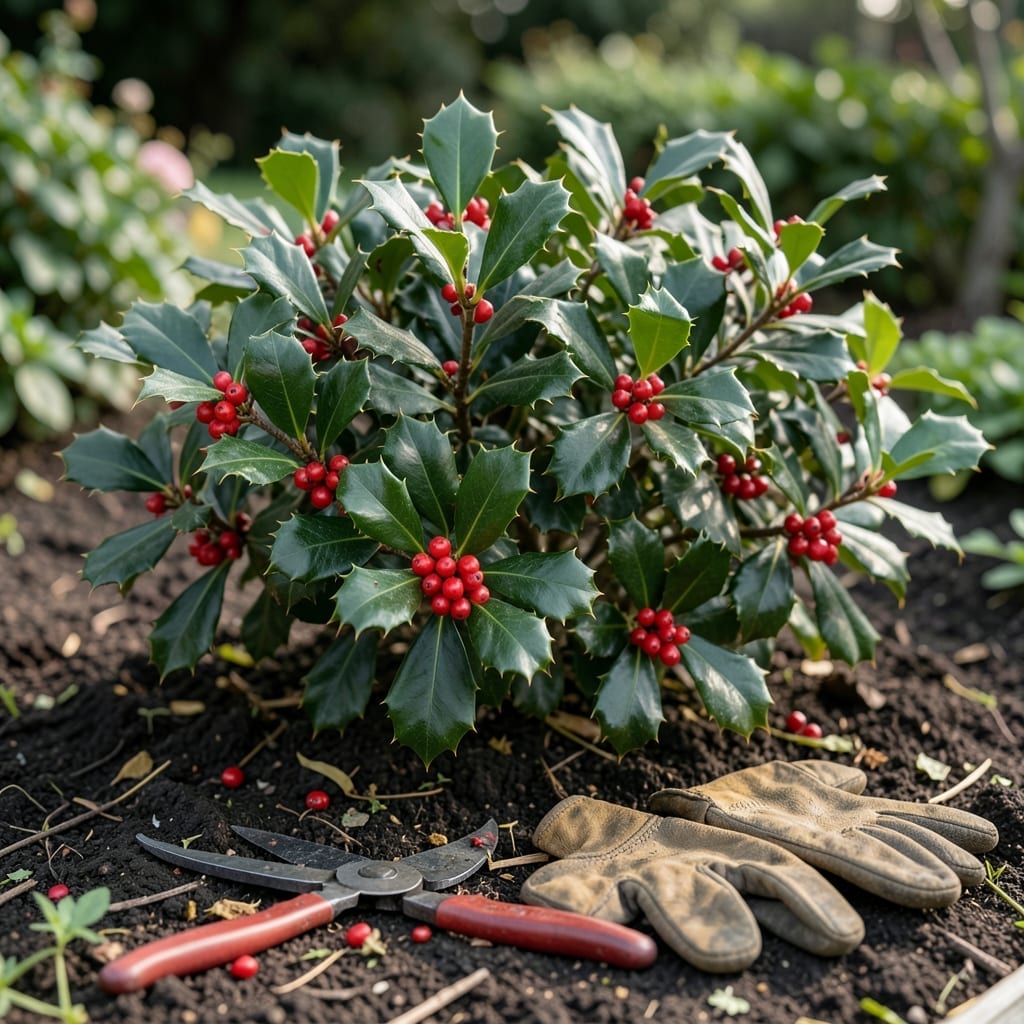
Pruning holly bushes at the right time ensures lush growth and vibrant berries. Timing is everything—do it wrong, and you might sacrifice next season’s beauty for your 🌿 Holly Bush.
I’ve seen too many gardeners make the mistake of trimming at the wrong moment. The good news? With simple seasonal guidance, you can keep your holly thriving year after year.
Discover the best windows for pruning and the techniques that promote healthy growth without the guesswork.
Timing your holly bush trimming is critical for healthy growth and vibrant berries. I always aim for late winter to early spring, just before new growth starts.
This window ensures the plant has time to recover and produce those iconic red berries we all love. Trimming too late in the season can remove flower buds, sacrificing next year’s display.
| Season | Best Time to Trim | Reason |
|---|---|---|
| Late Winter | February-March | Prevents cold damage to new cuts |
| Early Spring | April-May | Promotes new growth and berry production |
| Late Summer | August-September | Light trimming for shape maintenance |
For evergreen hollies, like the popular Nellie R. Stevens, late winter is ideal. This timing avoids stressing the plant during active growth periods.
Deciduous hollies, such as Winterberry, should be pruned in early spring before leaves emerge. This ensures you don’t accidentally remove flower buds.
Avoid trimming in late summer or fall, as this can stimulate new growth that won’t harden off before winter. Cold temperatures can then damage the plant.
If you must trim in summer, do it lightly and only to shape the bush. Heavy pruning at this time can reduce berry production for the next season.
Regional climate plays a role too. In warmer zones (USDA 8+), you can start trimming earlier in winter. In cooler zones (USDA 5-6), wait until late winter to avoid frost damage.
Always use sharp pruning shears to make clean cuts. This prevents tearing the bark, which can invite disease. I also recommend wearing thick gloves to protect your hands from holly thorns.
After trimming, give your holly a deep watering to help it recover. Adding a layer of mulch around the base can also retain moisture and protect roots. ✂️
Remember, the goal is to enhance the plant’s natural shape while encouraging healthy growth and abundant berries. With the right timing, your holly will thrive for years to come. 🌿
Pruning holly bushes isn’t just about timing—it’s also about using the right techniques. I’ve found that thinning cuts work best for opening up the center of the bush.
This improves air circulation and sunlight penetration, which keeps the plant healthy. For shaping, I use heading cuts to encourage bushier growth.
Always start by removing any dead, damaged, or diseased wood. This prevents pests and diseases from spreading to healthy parts of the plant.
For thinning cuts, I remove about one-third of the oldest stems at the base. This rejuvenates the plant and encourages new growth from the center.
When making heading cuts, I trim back to just above a healthy bud or branch. This promotes bushier growth and helps maintain the plant’s natural shape.
Safety is key when pruning holly bushes. Always wear thick gloves and long sleeves to protect against the sharp thorns. I also recommend using bypass pruners for clean cuts. ✂️
After pruning, clean up all debris around the base to prevent pests and diseases. A quick rinse of your tools with rubbing alcohol between cuts helps stop the spread of pathogens. 🌿