
Beautiful Plants For Your Interior
Beautiful Plants For Your Interior
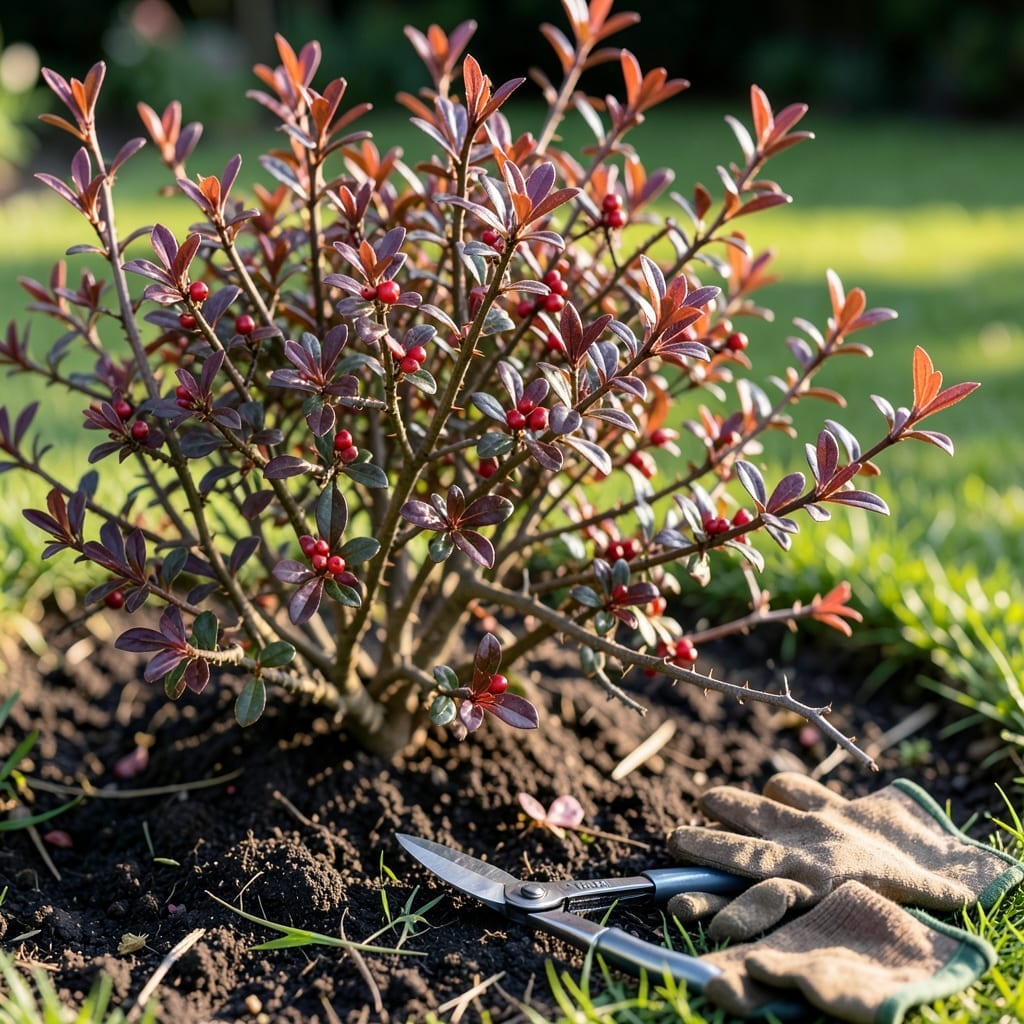
That overgrown 🌿 Barberry in your yard doesn’t have to be a wild mess. Timing your trimming right makes all the difference for healthy growth and vibrant foliage.
Pruning at the wrong moment can stress the plant or ruin next year’s display. I’ll show you the best seasons and why they work so well for Barberry bushes.
Discover how simple adjustments to your schedule can transform your shrubs from scraggly to stunning. Let’s get started.
Timing your barberry bush trimming can make or break its growth. I’ve found that late winter or early spring is ideal for most varieties. This timing helps the plant heal quickly and encourages strong new growth.
Pruning before new buds form in spring ensures you won’t cut off potential flowers or berries. Avoid trimming in late summer or fall, as this can stimulate tender growth that frost may damage.
| Season | Best For | Why It Works |
|---|---|---|
| Late Winter | Major pruning | Dormant, heals fast |
| Early Spring | Shape adjustments | Before new growth |
| Summer | Light trimming | Remove dead branches |
For deciduous barberries, late winter is perfect because the plant is still dormant. This reduces stress and allows it to focus energy on new growth when spring arrives. I always aim for February or March in most climates.
If you missed the winter window, early spring works too. Just finish pruning before the first buds appear. This ensures you won’t accidentally remove potential flowers or berries that are forming.
Summer pruning should be minimal. Focus on removing dead or diseased branches. Heavy pruning in summer can stress the plant and leave it vulnerable to pests.
Avoid pruning in late summer or fall. New growth stimulated during this time may not harden off before frost, leading to winter damage. I’ve seen this mistake cost gardeners their shrubs.
For evergreen barberries, the same rules apply. Late winter or early spring pruning helps maintain shape without sacrificing growth. Just be mindful of your local frost dates to avoid cold damage.
If your barberry is overgrown, don’t panic. You can do a hard prune in late winter to rejuvenate it. Cut back up to one-third of the oldest stems to the ground to encourage new, healthy growth.
Remember, sharp tools are a must. Dull blades can tear branches, making the plant more susceptible to disease. I always clean my pruners with rubbing alcohol between cuts to prevent spreading pathogens.
By following these seasonal guidelines, you’ll keep your barberry bushes healthy and vibrant year after year. And those beautiful red berries? They’ll thank you for it. ✂️
Pruning barberry bushes correctly keeps them healthy and looking great. I always start with the right tools: sharp bypass pruners and loppers for thicker branches. Clean cuts help prevent disease and stress.
Begin by removing any dead or diseased wood first. This opens up the plant and lets you see its natural shape. Then, trim back overgrown branches to maintain the desired size.
When shaping, cut just above a leaf node or bud. This encourages new growth in the right direction. Never remove more than one-third of the plant at once, as this can shock the shrub.
For formal hedges, use a level string as a guide to keep the top flat. I find this helps maintain a neat appearance without over-pruning.
After pruning, apply a balanced fertilizer to support recovery. Water deeply to help the roots absorb nutrients and reduce stress on the plant.
With these steps, your barberry will stay vibrant and healthy for years to come. ✂️