
Beautiful Plants For Your Interior
Beautiful Plants For Your Interior
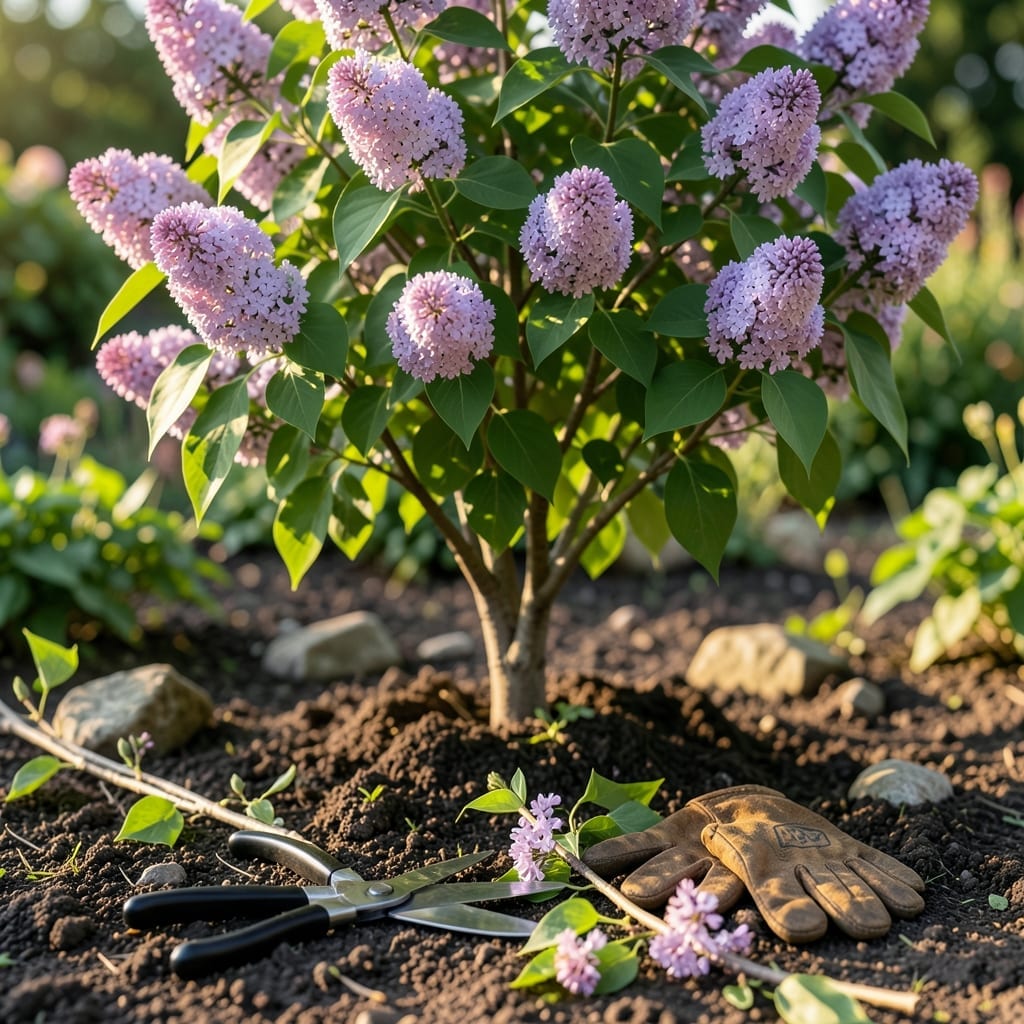
Timing is everything when it comes to trimming your 🌸 Lilac bush—prune too early or too late, and you might sacrifice next year’s stunning blooms.
I’ve seen gardeners accidentally cut off flower buds by pruning in fall, only to wonder why their shrub didn’t bloom the following spring. The good news? There’s a simple window that ensures vibrant growth.
Discover the perfect seasonal moment to keep your Lilac healthy and bursting with color year after year.
I’ve learned the hard way that timing is crucial when pruning lilac bushes. Prune too early, and you risk cutting off this year’s blooms. Prune too late, and you’ll remove next year’s flower buds. The sweet spot is right after the flowers fade.
The ideal window is in late spring or early summer, immediately after the lilac finishes blooming. This gives the plant enough time to develop new growth and set buds for the next season. I always mark my calendar for this period to ensure I don’t miss it.
| Stage | Action | Timing |
|---|---|---|
| Post-Bloom | Prune spent flowers | Late spring |
| New Growth | Shape the bush | Early summer |
| Bud Formation | Avoid pruning | Mid-summer onward |
If you prune in fall or winter, you’ll likely remove the buds that have already formed for next spring. I’ve seen gardeners do this and then wonder why their lilacs didn’t bloom. It’s a common mistake that’s easy to avoid with proper timing.
Another key sign is the appearance of new shoots at the base. When these emerge, it’s a clear indicator that the plant is ready for pruning. The stems should still be green and pliable, not woody and hard. This is your cue to act.
For mature lilac bushes, I recommend pruning about 1/3 of the oldest stems each year to encourage new growth. This rejuvenation process keeps the plant healthy and ensures consistent blooming. Just be sure to do it right after the flowers fade.
If your lilac is overgrown, you might be tempted to give it a drastic cut. However, severe pruning in the wrong season can set the plant back. Stick to the post-bloom window even for major cuts to avoid stressing the bush.
I also pay attention to the weather conditions. A dry, sunny day is ideal for pruning because it reduces the risk of disease. Avoid pruning during wet periods, as this can introduce fungi or bacteria to the fresh cuts.
Finally, always use clean, sharp tools to make clean cuts. This helps the plant heal faster and reduces the risk of infection. I keep my pruners sanitized and sharp for this exact reason.
By following these guidelines, you’ll ensure your lilac bush stays healthy and produces vibrant blooms every year. It’s all about working with the plant’s natural cycle, not against it.
✂️Pruning lilac bushes correctly ensures they stay healthy and bloom abundantly. I always start by gathering the right tools: sharp bypass pruners, loppers for thicker branches, and gloves for protection. Clean tools prevent disease spread, so I sanitize mine before beginning.
The first step is removing dead or diseased wood. I look for branches that are brittle, discolored, or showing no signs of life. Cut these back to the base to allow the plant to focus energy on healthy growth.
For shaping, I trim back about 1/3 of the oldest stems each year. This encourages new growth and maintains the bush’s shape. I make cuts just above a leaf node or bud to promote healthy regrowth.
I avoid cutting too much at once. Removing more than 1/3 of the bush can stress the plant. Instead, I spread major pruning over several years for older, overgrown lilacs.
After pruning, I check for suckers at the base. These are shoots growing from the roots and can drain energy from the main plant. I remove them at ground level to keep the bush focused on upward growth.
Finally, I clean up all debris around the base. This prevents pests and diseases from taking hold. With these steps, my lilacs stay vibrant and bloom beautifully each spring.
✂️