
Beautiful Plants For Your Interior
Beautiful Plants For Your Interior
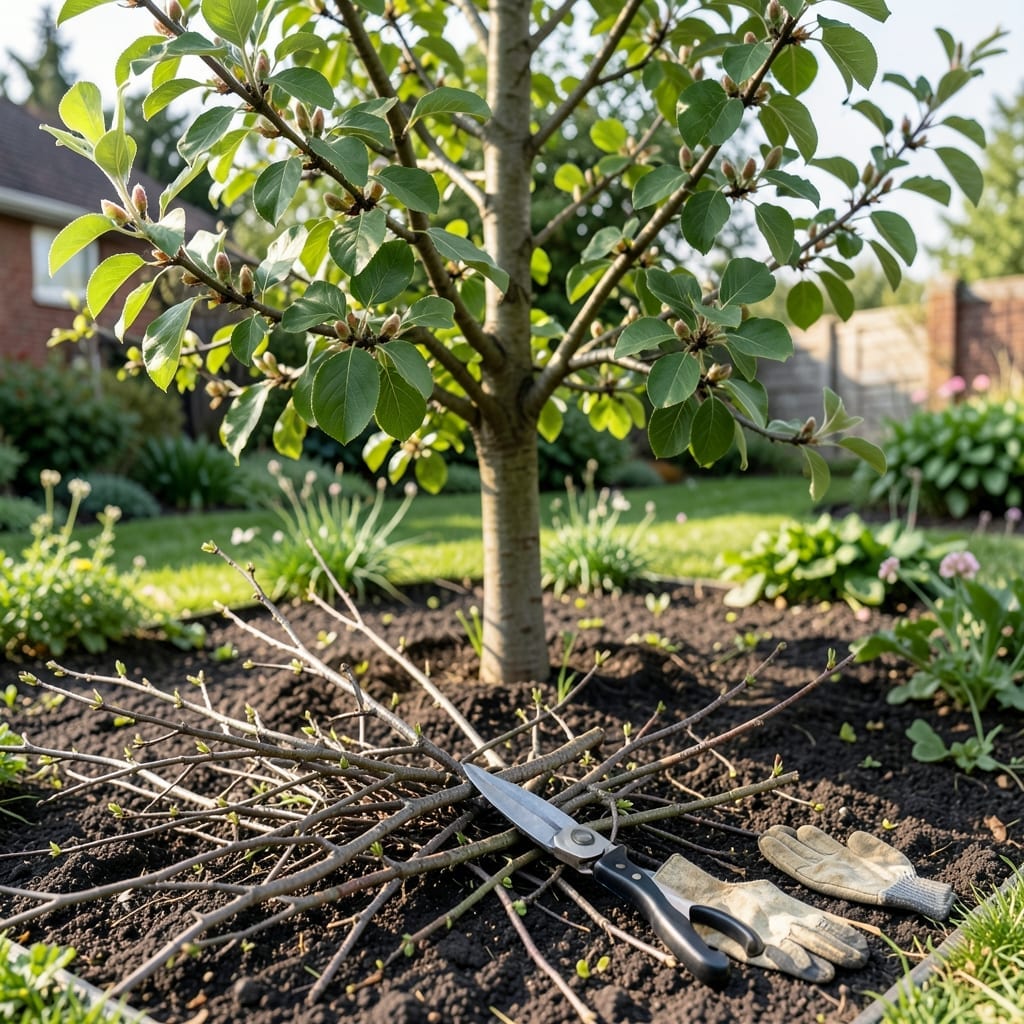
Timing your apricot tree trimming correctly can mean the difference between a thriving orchard and a struggling 🍑 Apricot Tree. The right moment doesn’t just shape your tree – it protects it.
I’ve seen what happens when pruning happens at the wrong time, and it’s not pretty. Healthy growth and bountiful fruit depend on this simple but critical timing.
Discover when to make those cuts for maximum fruit production and tree vitality. Your apricot tree will thank you with its best harvest yet.
I always get asked: when is the best time to trim an apricot tree? The answer is simple: late winter or early spring is ideal. This timing helps prevent disease and promotes healthy growth.
Pruning during dormancy allows the tree to heal before new growth starts. It also reduces the risk of spreading bacterial canker, a common issue with apricot trees. I’ve seen trees suffer when pruned at the wrong time, so timing is everything.
| Timing | Purpose | Key Notes |
|---|---|---|
| Late Winter | Shape tree | Before buds swell |
| Early Spring | Remove dead wood | Avoid frost periods |
| Summer | Light pruning | For air circulation only |
I recommend avoiding pruning during active growth in late spring or summer. This can stress the tree and reduce fruit production. The tree is focusing on fruit development, not healing cuts.
Another critical point: never prune in wet conditions. Moisture spreads diseases like silver leaf or bacterial canker. Always choose a dry, sunny day for the best results.
If you miss the late winter window, early spring is your next best option. Just ensure you finish before the sap starts flowing. This is usually before the buds begin to swell.
For older trees, I focus on removing dead or diseased wood first. Then, I thin out crowded branches to improve air circulation and sunlight penetration. This keeps the tree healthy and productive.
Young apricot trees need light pruning to establish a strong structure. I shape them early to prevent future issues. A well-structured tree is easier to maintain and harvest from.
Remember, clean tools are a must. I always sterilize my pruners with rubbing alcohol between cuts to prevent disease spread. It’s a small step that makes a big difference.
Finally, don’t overdo it. I stick to removing no more than 25% of the canopy in a single year. Over-pruning can weaken the tree and reduce its ability to bear fruit.
With the right timing and care, your apricot tree will reward you with healthy growth and abundant fruit for years to come ✂️
Pruning your apricot tree at the right time ensures healthy growth and maximum fruit production. Each season has its own unique approach to trimming, and I’ll walk you through them.
In late winter, focus on shaping the tree and removing dead or diseased wood. This is when the tree is still dormant, making it the safest time for major cuts.
During early spring, I switch to light pruning to thin out crowded branches. This improves air circulation and allows sunlight to reach the center of the tree.
In summer, limit pruning to minimal cuts only. I focus on removing water sprouts or suckers that drain energy from the tree. Avoid heavy pruning, as it can stress the tree during fruit production.
I never prune in fall because the cuts won’t have enough time to heal before winter. This can leave the tree vulnerable to diseases like bacterial canker.
For each season, I use sharp, clean tools to make precise cuts. Sterilizing pruners between cuts prevents the spread of disease, which is especially important for apricot trees.
With these seasonal pruning techniques, your apricot tree will stay healthy and productive year after year ✂️