
Beautiful Plants For Your Interior
Beautiful Plants For Your Interior
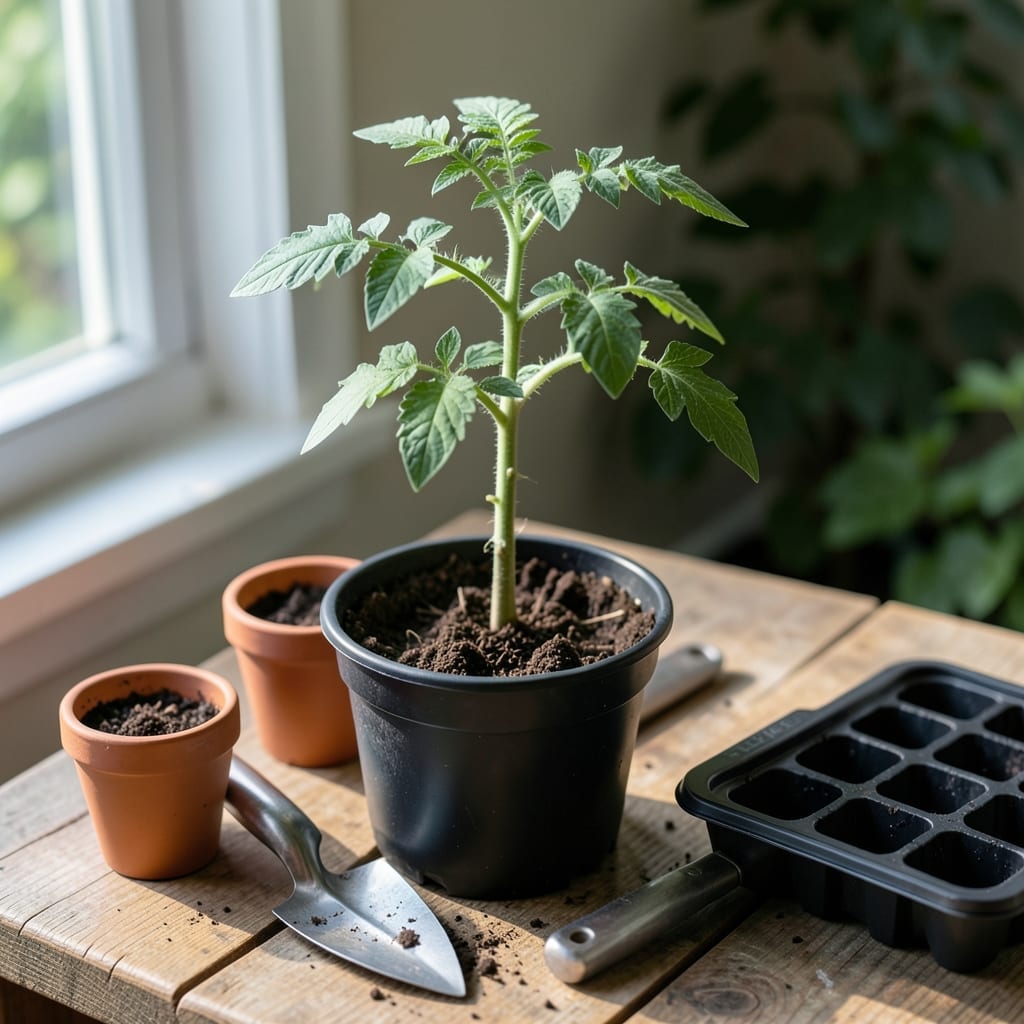
Timing is everything when moving your 🌱 Seedlings to their new homes. One day too early or too late can set back weeks of growth, leaving you with weak plants struggling to recover.
I’ve seen gardeners lose entire batches by missing the perfect window. The difference between thriving and barely surviving often comes down to recognizing those subtle signs of readiness.
Let me show you exactly when to make the move and how to spot the key indicators that your seedlings are truly prepared for their upgrade.


I always watch for 2-4 true leaves before considering transplantation. These aren’t the initial seed leaves, but the second set that appear as your plants mature. This stage indicates the seedling has developed enough to handle the move.
Another clear sign is when you see roots emerging from the drainage holes of your seed tray. This means your seedlings are root-bound and need more space to grow properly.
| Sign | Description |
|---|---|
| True leaves | 2-4 developed beyond seed leaves |
| Root visibility | Roots at drainage holes |
| Stem strength | Thick and sturdy, 2-3 inches tall |
| Leaf color | Deep green, not yellowing |
A strong stem that’s about 2-3 inches tall is another good indicator. If your seedlings are tall but spindly, they might not be ready. I’ve learned that sturdy growth is more important than height alone.
Check the color of the leaves too. They should be a healthy green, not pale or yellow. Yellowing often means stress, and your seedlings need to be at their peak when you transplant.
I also look at the overall vigor of the plant. If it’s growing actively and looks robust, it’s probably ready. But if growth has stalled, it might need more time in its current container.
Remember, timing varies by plant type. Fast growers like basil or zinnia may be ready in 2-3 weeks, while slower growers like peppers might take 6-8 weeks.
Environmental conditions matter too. I wait until night temperatures are consistently above 50°F (10°C) for most vegetables. This prevents transplant shock from cold stress.
For tender annuals, I hold off until after the last frost date in my area. In USDA zone 6, that’s typically around April 15. Always check your local frost dates.
If you’re indoor gardening, you have more control. Just ensure your seedlings have enough light and consistent temperatures before and after transplanting. I’ve found LED grow lights work wonders for early starts.
Finally, trust your instincts. If most signs point to readiness but you’re unsure, give it another day or two. It’s better to wait than rush and risk setbacks.
🌱I start by preparing new pots with fresh potting mix the day before transplanting. This lets the soil settle and ensures it’s ready for your seedlings. Always use clean containers to prevent disease.
Gently remove seedlings from their trays by holding the leaves, not the stem. I’ve found that teasing apart roots carefully helps prevent damage during the move.
After transplanting, I avoid fertilizing for at least a week. The seedlings need time to recover and establish new roots. Over-fertilizing now can burn tender roots.
Maintain consistent moisture but don’t overwater. I check daily by sticking my finger 1 inch into soil. If it feels dry, it’s time to water.
Watch for transplant shock signs like wilting or yellowing. If this happens, I move pots to a shadier spot and reduce water slightly until they recover.
Most seedlings bounce back within 2-3 days. Once they show new growth, you’ll know they’ve successfully adjusted to their new homes.
🌱