
Beautiful Plants For Your Interior
Beautiful Plants For Your Interior
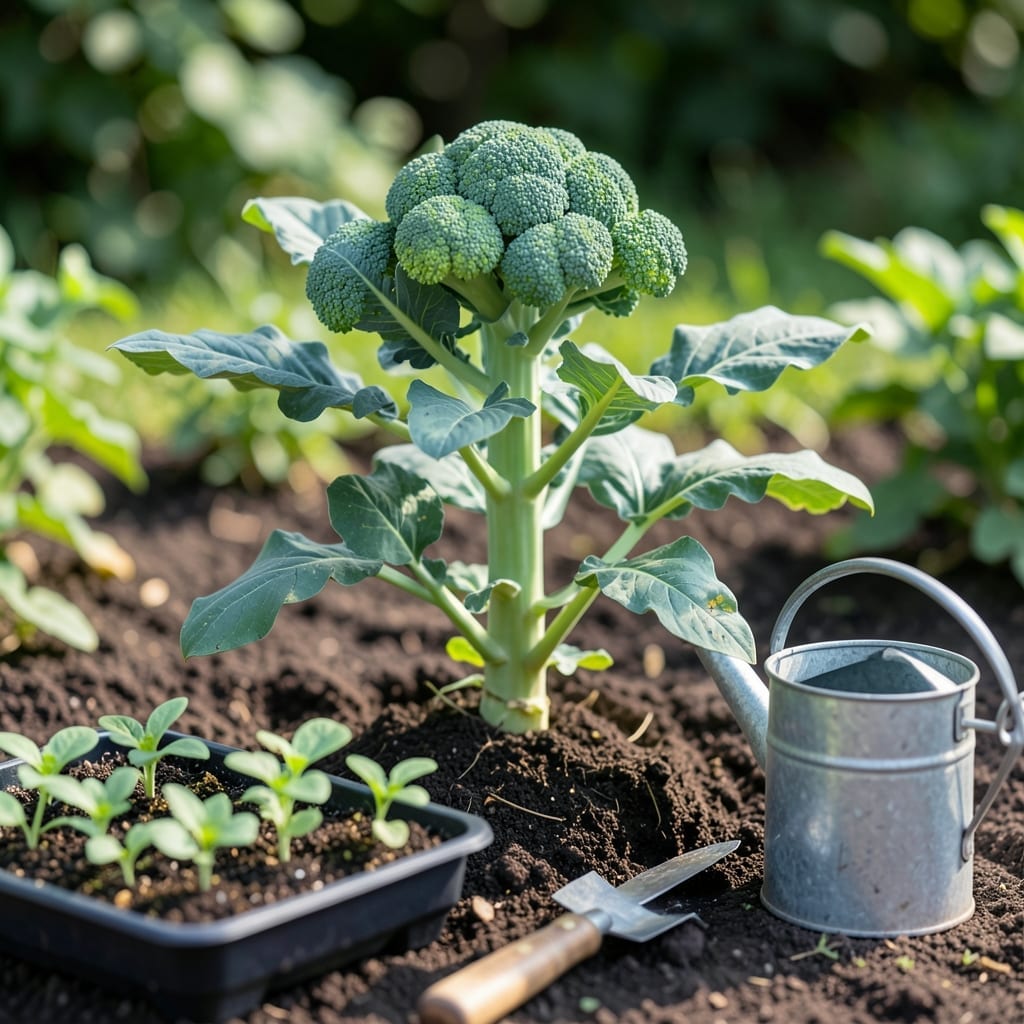
Transplanting Broccoli 🥦 seedlings at the right time is the secret to a bountiful harvest, but get it wrong and you risk stunted growth or bolted heads.
Timing is everything when moving these cool-season crops from seed tray to garden soil. For zone 6a, that sweet spot is March to April.
I’ll show you how to spot the perfect moment and share step-by-step instructions to ensure your plants thrive from the start.


Getting your broccoli seedlings in the ground at the right time means the difference between a thriving plant and a struggling one. For most regions, the ideal window is 2-3 weeks before your last frost date, when soil is workable and warm.
I’ve found that 4-6 week old seedlings with 4-6 true leaves and sturdy stems are ready for the big move. They should be about 4-6 inches tall and hardened off properly to avoid shock.
| Requirement | Specification |
|---|---|
| Seedling Age | 4-6 weeks |
| Seedling Height | 4-6 inches |
| Soil Temperature | 60-70°F |
| Last Frost Date | 2-3 weeks before |
| True Leaves | 4-6 developed |
In cooler climates, aim for early spring planting, while warmer zones can push transplanting into late winter. Always check your USDA zone for precise timing, as frost dates vary significantly.
Soil temperature is critical—below 60°F can stunt growth. Use a soil thermometer to confirm conditions. If your soil is still cold, consider using black plastic mulch to warm it up faster.
Another key sign is the development of true leaves. Unlike the initial seed leaves (cotyledons), true leaves resemble mature broccoli foliage. When you see 4-6 of these, your seedlings are ready for the garden.
Spacing matters too. I recommend 18-24 inches apart in rows 36 inches apart. This gives each plant enough room to develop a strong root system and a full head without competition.
Remember, hardening off is non-negotiable. A week of gradual exposure to outdoor conditions—starting with 1-2 hours of shade and increasing daily—prevents transplant shock and ensures a smooth transition.
If you’re in a region with mild winters, you might get a second crop by transplanting in late summer for a fall harvest. Just be sure to calculate backward from your first frost date to allow 50-80 days to maturity.
Finally, always transplant on a cloudy day or in the late afternoon to reduce stress. Water thoroughly after planting and keep the soil consistently moist for the first week to help roots establish.
With these timing tips, your broccoli will be well on its way to producing those delicious, tight heads we all love 🌱
Hardening off is the critical process of acclimating your broccoli seedlings to outdoor conditions. Without it, tender seedlings can suffer transplant shock from sudden exposure to wind, sun, and temperature fluctuations.
I start this process 7-10 days before transplanting. Begin by placing seedlings in a shaded, sheltered spot for just 1-2 hours on the first day, then gradually increase their time outside.
During this period, monitor soil moisture closely. Outdoor conditions can dry out seedlings faster than indoor trays. Water when the top inch of soil feels dry, but avoid overwatering which can lead to root rot.
If temperatures drop below 40°F at night, bring seedlings back indoors or cover them with frost cloth. Broccoli can tolerate light frosts, but young seedlings are more vulnerable to cold damage.
Watch for signs of stress like wilting or yellowing leaves. If you notice these, reduce exposure time and provide more shade. The goal is a gradual transition, not a sudden shock to the system.
By the end of the hardening off period, your seedlings should look strong and sturdy, with thick stems and vibrant green leaves. They’re now ready for their permanent home in the garden where they’ll continue growing into healthy, productive plants 🌱