
Beautiful Plants For Your Interior
Beautiful Plants For Your Interior
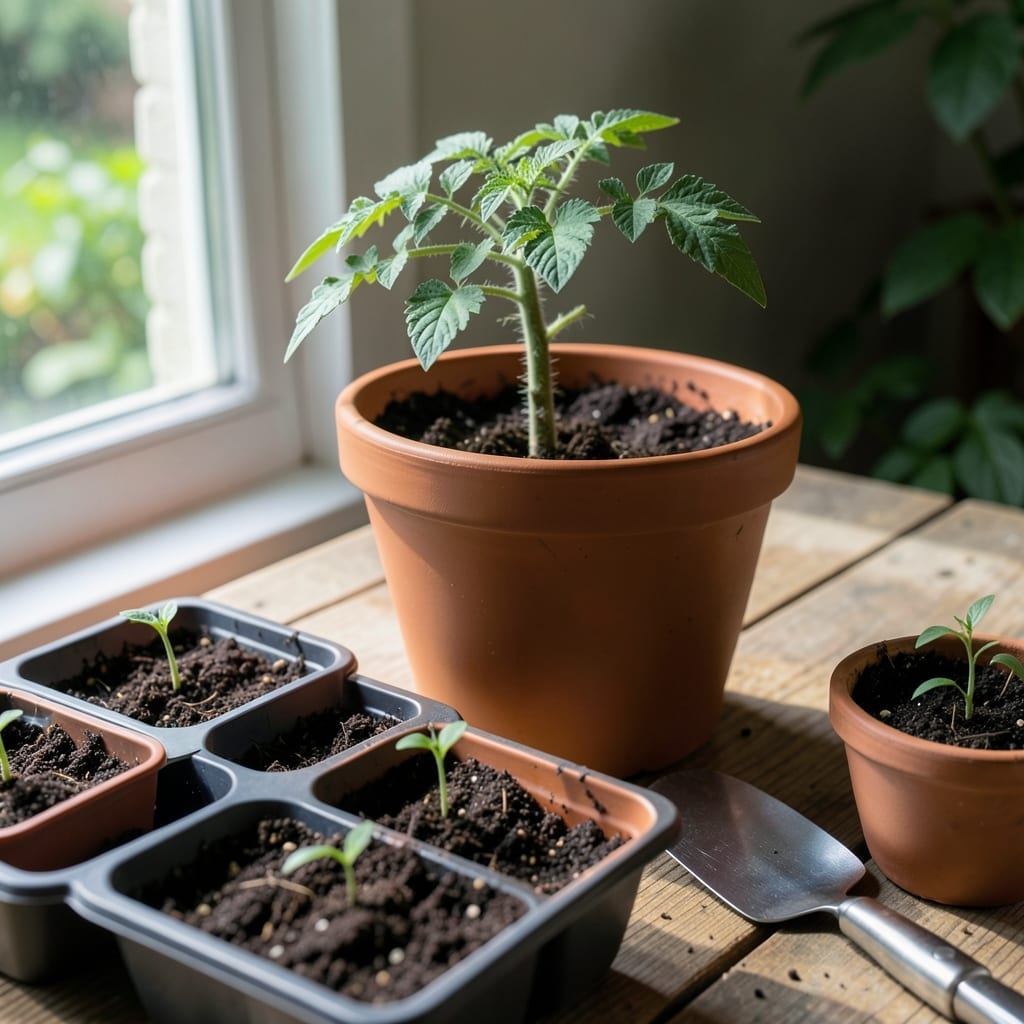
Timing is everything when it comes to moving your 🌱 Seedlings from their cozy starter trays to individual pots. Do it too soon, and you risk shocking their fragile roots.
Wait too long, and they’ll become root-bound and stunted. The key is knowing exactly when they’re ready for that big move.
Discover the clear signs to look for and how to make the transition smooth for your Seedlings. Let me show you how to get it right.
Knowing the right time to move seedlings is crucial for their survival. I look for true leaves first—those are the second set that appear after the initial cotyledons.
These leaves indicate the seedling is maturing and ready to handle the stress of transplanting. Without them, the plant is still too fragile for the move.
Another clear sign is when you see roots peeking out of the drainage holes. This means your seedlings have maxed out their current space and need room to grow.
I also check the stem strength. A seedling ready for transplanting should have a thick stem that doesn’t flop over when you touch it lightly.
If the stem is leggy or weak, it’s not ready. Leggy seedlings often stretch because they’re searching for light and haven’t developed properly.
Color is another indicator. Healthy seedlings are vibrant green. If they’re pale or yellowing, they might be stressed or nutrient-deficient and not ready for transplanting.
Finally, if the seedlings are crowded in their tray, they’re competing for nutrients and space. This can stunt their growth and make them weaker over time.
I always ensure the last frost date has passed before moving seedlings outdoors. For most regions, this is between April 15 and May 15, but check your local guidelines.
Transplanting at the right time gives your seedlings the best start in their new pots. It’s all about observing and waiting for these key signs.
With these indicators, you’ll know exactly when to make the move for stronger, healthier plants 🌱
Moving seedlings to pots can be stressful for them, but with the right approach, you’ll minimize the shock and help them thrive. I always start by preparing the new pots with fresh, well-draining soil.
Make sure your new containers have drainage holes to prevent waterlogging. This is critical for healthy root development and avoiding rot.
I always water seedlings about an hour before the move. This helps the root ball hold together and reduces transplant shock. It’s a simple step that makes a big difference.
When removing seedlings from their tray, I hold them by the leaves, not the stem. The stem is delicate and can be easily damaged, which can set back growth or even kill the plant.
Place each seedling in its new pot at the same depth it was growing before. Burying it too deep can cause stem rot, while planting too shallow can expose roots and dry them out.
After transplanting, give them a good drink of water to help settle the soil around the roots. This removes air pockets that could otherwise stress the plant.
Finally, I keep my newly potted seedlings in partial shade for a day or two. This gives them time to recover from the move without the added stress of direct sunlight 🌿