
Beautiful Plants For Your Interior
Beautiful Plants For Your Interior
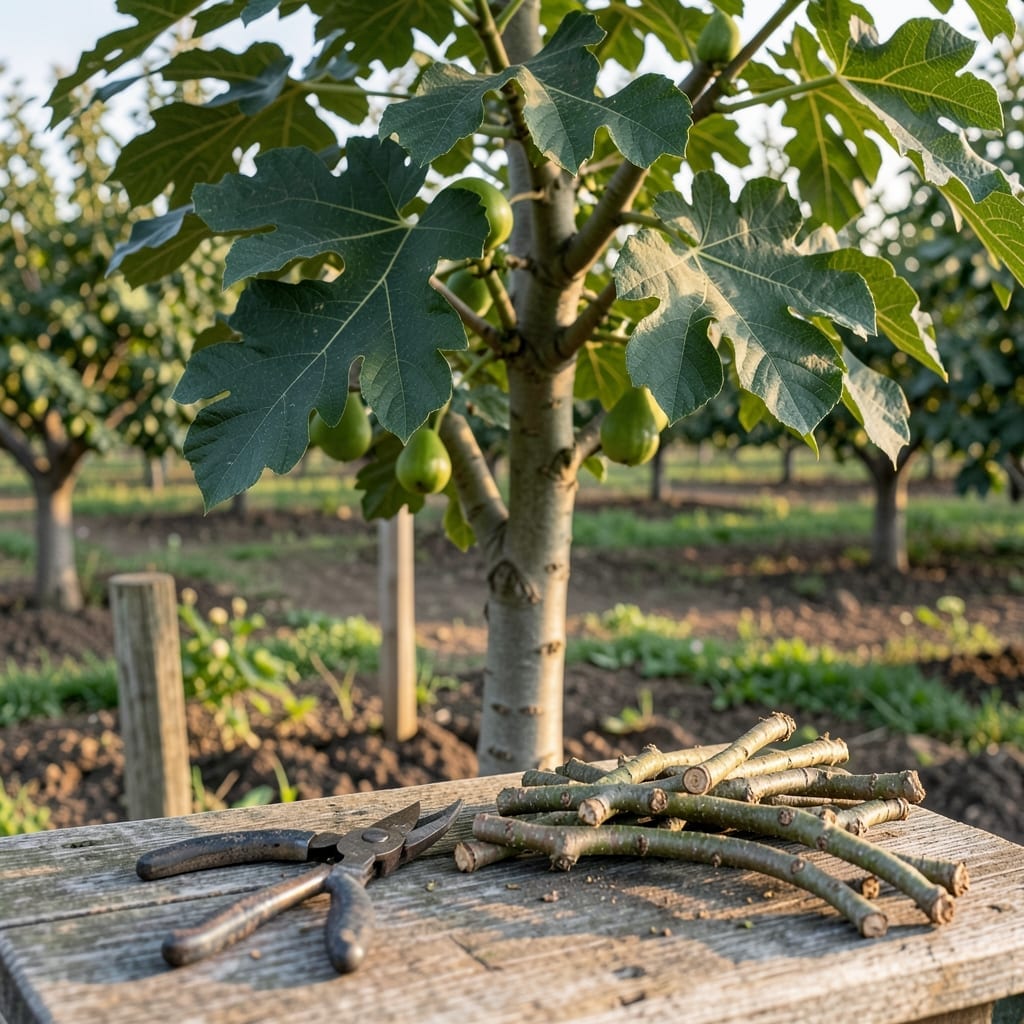
Timing is everything when propagating Fig Trees from cuttings—do it right, and you’ll have thriving new plants in no time. Do it wrong, and you risk stunted growth or failure.
The best window for taking cuttings is when the 🌳 Fig Tree is transitioning from dormancy to active growth. This period ensures the wood is mature enough to root but still young enough to adapt.
I’ll walk you through the exact conditions to look for and why timing can make or break your propagation success. Let’s get started.
Timing your fig tree cuttings perfectly can mean the difference between thriving new plants and disappointing failures. From my experience, the optimal window is during the transition from dormancy to active growth.
The best seasons are late winter to early spring, typically February through April, depending on your climate zone. This is when the tree is waking up but hasn’t started pushing out new leaves yet.
| Season | Why It Works | Climate Considerations |
|---|---|---|
| Late Winter | Dormant wood, stored energy | Avoid freezing temps |
| Early Spring | Active growth beginning | After last frost date |
| Fall | Second-best option | Before first frost |
In USDA Zones 6-8, I recommend aiming for March as your sweet spot. The tree is still dormant enough to handle the stress of cutting, but the warming temperatures will encourage root development once planted.
For warmer climates like Zones 9-10, you can start as early as February. The key is to take cuttings before the tree breaks dormancy, which you’ll see as swelling buds on the branches.
If you miss the spring window, late summer can work in a pinch, but success rates drop significantly. The wood is more mature then, which can be slower to root. I’ve had best results sticking to the late winter timing.
Watch for these signs that your fig tree is ready: pencil-thick stems with 3-5 nodes, no active growth, and healthy bark. Avoid any branches showing green growth or damage.
Remember that morning cuttings often root better because the plant is most hydrated. I always bring a bucket of water to keep the cuttings fresh until I can process them.
For container-grown figs, the timing is similar, but you have more flexibility. Since they’re protected from extreme cold, you can start 2-4 weeks earlier than ground-planted trees in the same zone.
No matter your location, avoid taking cuttings during active growth periods or extreme weather. The tree’s energy is focused elsewhere, and your cuttings will struggle to establish roots.
With the right timing, you’ll see roots forming in 3-6 weeks and new growth shortly after. It’s incredibly rewarding to watch a cutting from your favorite fig tree grow into a new plant.
Taking fig tree cuttings is straightforward when you know the right steps. I always start by selecting healthy, dormant wood from the previous season’s growth, as these branches have the highest rooting potential.
The ideal cuttings are pencil-thick stems with 3-5 growth nodes. I use clean, sharp pruning shears to make a 45-degree cut just below a node, which maximizes the surface area for root development.
| 1 | Select healthy wood with no signs of disease |
| 2 | Cut at 45° below a node for best results |
| 3 | Remove lower leaves to prevent rot in soil |
| 4 | Dip in rooting hormone to boost success rates |
| 5 | Plant in moist potting mix and keep warm |
After cutting, I immediately place the stems in water to prevent drying out. Then, I trim the cuttings to 6-12 inches long and remove any remaining leaves from the lower half to reduce moisture loss.
Dipping the cut end in rooting hormone is a game-changer. It significantly increases the chances of successful rooting. I use a powder form and tap off any excess before planting.
For planting, I prefer a well-draining mix of perlite and peat moss. The cuttings should be buried about 2-3 inches deep, with at least one node below the soil line for root development.
Keep the soil consistently moist but not soggy, and place the cuttings in a warm, bright location out of direct sunlight. I’ve found that a plastic bag over the container creates a humid environment that speeds up rooting.
In about 3-6 weeks, you should see new growth, which means roots have formed. At that point, you can transplant your new fig tree to its permanent home.