
Beautiful Plants For Your Interior
Beautiful Plants For Your Interior
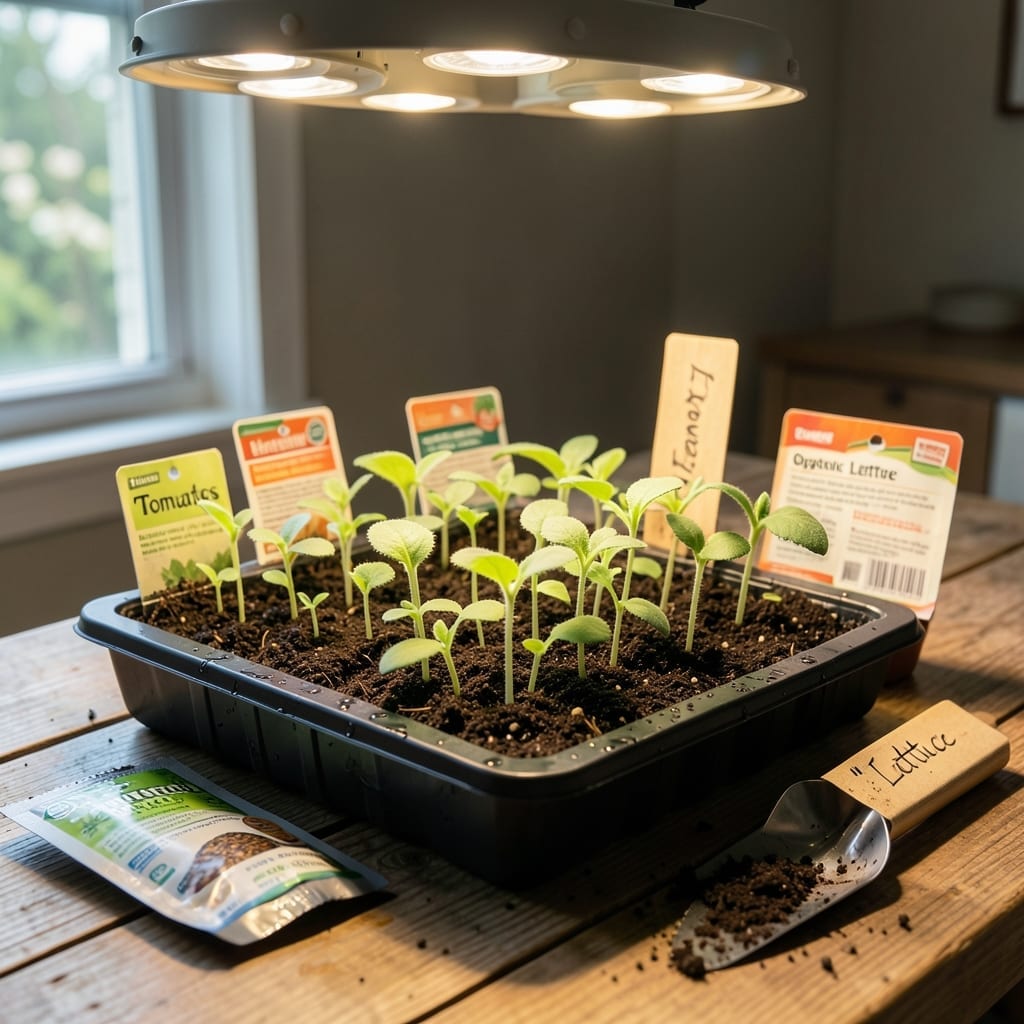
Timing is everything when starting Vegetable 🥕 seeds indoors—plant too early and your seedlings outgrow their space, too late and you miss the growing season. This guide helps you nail the perfect start date.
I’ll show you how to align your indoor planting with Zone 6’s last frost date. Whether you’re new to gardening or refining your approach, getting this right means healthier plants and a more abundant harvest.
Discover the simple formula for calculating your ideal start time based on your local climate. No more guessing—just confident planning.
Getting your indoor seed starting timing right means healthier plants and a better harvest. I always check my USDA hardiness zone first because frost dates vary dramatically across regions.
In Zone 6, with its April 15 last frost date, I start most vegetables 6-8 weeks before that date. This gives seedlings enough time to grow strong before moving outdoors.
| Vegetable | Start Indoors | Transplant Outdoors |
|---|---|---|
| Tomatoes | 6-8 weeks before frost | 2 weeks after frost |
| Peppers | 8-10 weeks before frost | 2-3 weeks after frost |
| Broccoli | 5-7 weeks before frost | 2-4 weeks before frost |
| Lettuce | 4-6 weeks before frost | 2-4 weeks before frost |
| Cucumbers | 3-4 weeks before frost | 1 week after frost |
For Zone 5 gardeners, I recommend starting seeds 2-3 weeks earlier than Zone 6. The colder climate means a shorter growing season, so getting a head start indoors is crucial.
In warmer Zone 7, you can start seeds 2-3 weeks later than Zone 6. The longer growing season gives you more flexibility, but don’t wait too long or your plants might struggle in summer heat.
I always use a seed starting calendar to track my planting dates. It helps me stay organized and ensures I don’t miss the optimal window for each vegetable variety.
Remember that microclimates can affect your timing too. If you live in a particularly sheltered or exposed area, adjust your schedule accordingly. I’ve found that urban areas often have slightly warmer microclimates.
For cool-season crops like lettuce and broccoli, I sometimes start a second batch 4-6 weeks before the first fall frost. This gives me a continuous harvest throughout the growing season.
I always recommend using grow lights if you don’t have a sunny south-facing window. Seedlings need 12-16 hours of light daily to grow strong and healthy.
By following these zone-specific guidelines and adjusting for your local conditions, you’ll give your vegetable seeds the best possible start for a productive growing season 🌱
Fine-tuning your indoor seed starting schedule makes all the difference. I always begin by checking my last frost date, then adjust for local conditions like elevation or urban heat islands.
For example, if you’re in a sheltered valley that warms up faster than the surrounding area, you might start seeds 1-2 weeks earlier than your zone suggests. I’ve seen this work well for early tomato and pepper starts.
I find that weather station data is more reliable than general zone maps. Your local extension office often has the most accurate frost date information for your exact area.
Soil temperature matters just as much as air temperature. I use a soil thermometer to confirm conditions are right before transplanting. Most vegetables need soil temps above 50°F to thrive.
For cool-season crops, I start seeds in late winter for early spring planting. In my experience, lettuce and spinach can handle light frosts, so I’m not as strict with their timing.
Remember that container gardening gives you more flexibility. You can start seeds earlier in pots and move them indoors if a late frost threatens. This is how I extend my growing season by 4-6 weeks each year.
By paying attention to these local factors, you’ll be able to optimize your seed starting for your unique conditions and get the most out of your growing season 🌱