
Beautiful Plants For Your Interior
Beautiful Plants For Your Interior
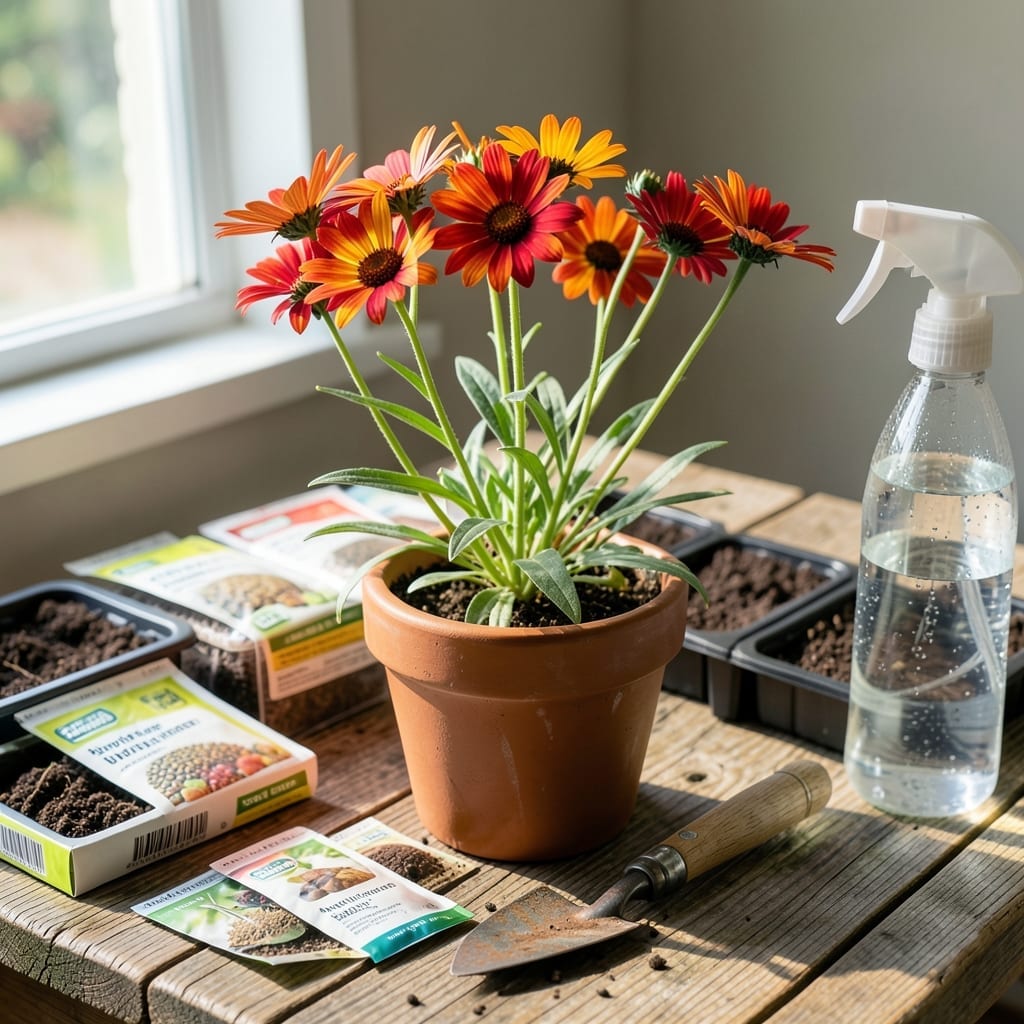
Timing is everything when it comes to growing vibrant 🌼 Strawflower plants from seed. Start them too early, and you’ll end up with leggy seedlings. Wait too long, and you’ll miss the optimal planting window.
In zone 6, these beauties thrive when given a 6-8 week indoor head start before the last frost. That means getting your seeds in soil at just the right moment is crucial.
Discover the perfect schedule to ensure your Strawflowers are ready to burst into color when warm weather arrives. Let’s make this your most successful growing season yet.
Getting the timing right for starting strawflower seeds indoors is key to strong, healthy plants. These beauties need a 6-8 week head start before the last frost date in your area. This ensures they’re ready to thrive when transplanted outdoors.
Your USDA hardiness zone determines the best window. Early spring climates may start sooner, while colder zones should wait a bit longer to avoid frost damage to tender seedlings.
| Zone | Start Indoors | Transplant Outdoors |
|---|---|---|
| 3-4 | Mid-March | Late May |
| 5-6 | Early March | Mid-May |
| 7-8 | Late February | Early May |
| 9-10 | Early February | Late April |
In zone 6, I start my seeds indoors around early March. This gives them plenty of time to develop strong roots and sturdy stems before the last frost date, which is typically around April 15.
For warmer climates like zones 9-10, you can start even earlier. The goal is to have seedlings ready to go outside once the risk of frost has passed and soil temperatures are consistently warm.
If you’re in a colder zone, like 3-4, wait until mid-March to start your seeds. This prevents seedlings from becoming too large and leggy before it’s safe to transplant them.
Always check your local last frost date for the most accurate timing. A quick search online or a call to your local extension office can provide this critical information.
Remember, strawflowers are sensitive to cold, so don’t rush the process. Starting too early can lead to weak seedlings that struggle to establish once transplanted.
I’ve found that using a heating mat can speed up germination, especially in cooler indoor environments. Just be sure to remove it once sprouts appear to avoid overheating the tender seedlings. 🌱
Keep your seed trays in a warm, bright location, like a sunny windowsill or under grow lights. Consistent warmth and light are essential for strong, healthy growth.
With the right timing and care, your strawflowers will reward you with vibrant, long-lasting blooms all season long. 🌼
Starting strawflower seeds indoors is straightforward if you follow a few key steps. I always begin by selecting a well-draining seed mix to prevent waterlogging, which can rot the delicate seeds before they even sprout.
Fill your seed trays or small pots with the mix, then gently press the tiny seeds into the soil—just 1/8 inch deep. They need light to germinate, so don’t bury them too far down.
I recommend using a spray bottle to mist the soil surface, keeping it consistently moist but not soggy. Overwatering is a common mistake that leads to damping off, a fungal disease that kills seedlings.
Once your seedlings emerge (usually in 7-14 days), move them to a bright location. If natural light is limited, supplement with grow lights for 12-14 hours daily to prevent leggy growth.
When the seedlings develop their first true leaves, it’s time to thin them out. I carefully snip the weaker ones at soil level, leaving only the strongest seedling per cell to grow on.
As the plants grow, gradually introduce them to outdoor conditions through hardening off. This process takes about a week and helps prevent transplant shock when they finally go into the garden. 🌱