
Beautiful Plants For Your Interior
Beautiful Plants For Your Interior
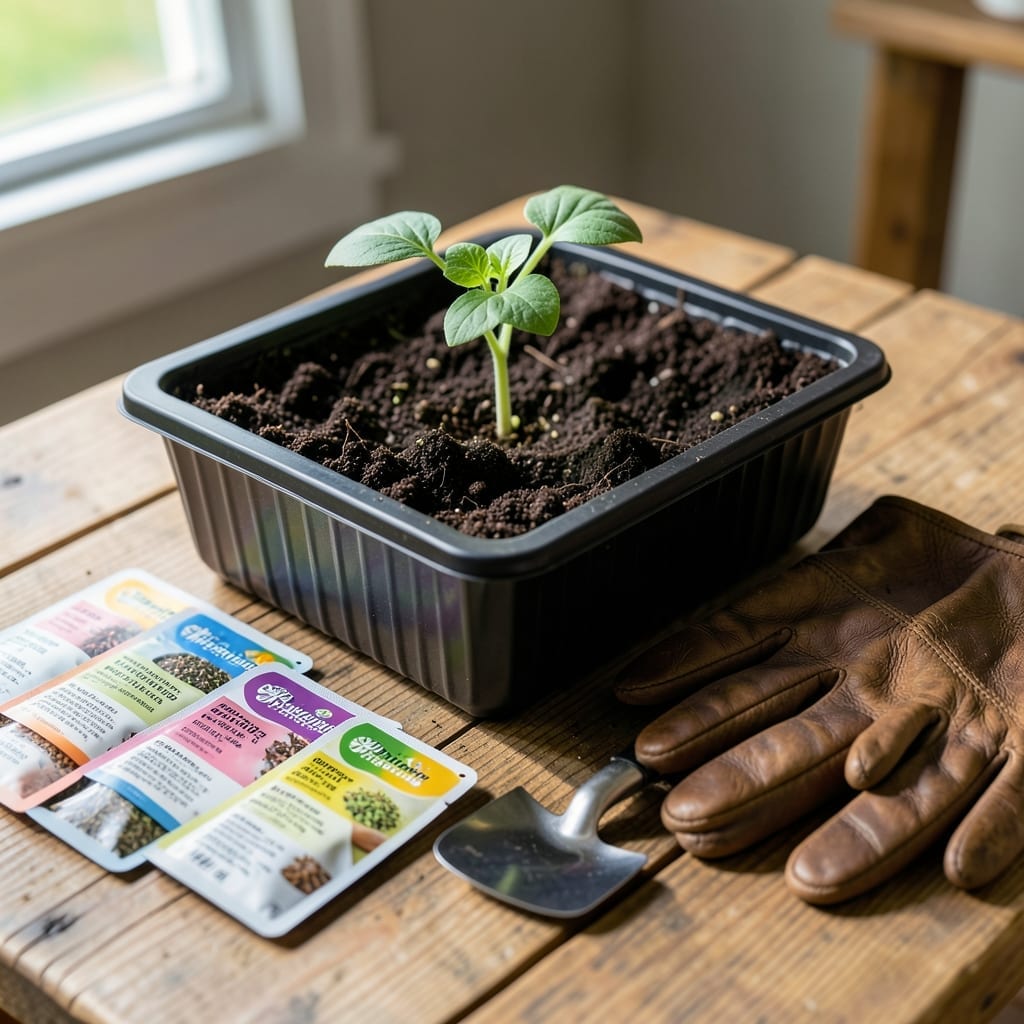
Timing is everything when it comes to sowing General Seed. Plant too early or too late, and your garden could suffer.
This seasonal guide helps you pinpoint the perfect window based on your climate zone. Whether you’re in zone 6 or elsewhere, I’ll show you how to align your planting with nature’s rhythm.
Discover the simple secrets to starting your General Seed at just the right time for a thriving garden this season.
Knowing when to start sowing seeds can make or break your garden. Each USDA Hardiness Zone has unique timing needs based on frost dates and seasonal patterns.
I always recommend checking your last frost date first. This is the foundation for calculating both indoor starts and direct sowing schedules for your area.
| Zone | Indoor Start | Outdoor Sow | Last Frost |
|---|---|---|---|
| 1-3 | Feb-Mar | May-Jun | May 15 |
| 4-5 | Mar-Apr | Apr-May | Apr 15 |
| 6-7 | Feb-Mar | Mar-Apr | Mar 30 |
| 8-9 | Jan-Feb | Feb-Mar | Mar 1 |
| 10-11 | Dec-Jan | Jan-Feb | Feb 1 |
| 12-13 | Nov-Dec | Dec-Jan | Jan 1 |
For cooler zones 1-3, you’ll need to start most seeds indoors 8-10 weeks before the last frost. The short growing season demands this head start for tomatoes and peppers.
In moderate zones 4-7, you have more flexibility. I find March is ideal for starting broccoli and cabbage indoors, while April works for direct sowing peas and spinach.
Warmer zones 8-11 allow for nearly year-round gardening. Here, you can start warm-season crops like cucumbers and beans as early as February outdoors.
The hottest zones 12-13 have unique challenges. Summer heat can be too intense, so I often plant heat-tolerant varieties in fall or winter instead.
Soil temperature matters just as much as air temperature. Most seeds need 50-85°F to germinate. Use a soil thermometer to check before planting.
Remember that microclimates can affect your timing. Urban areas, slopes, and bodies of water can create warmer or cooler pockets in your garden.
When in doubt, I always recommend succession planting. Sow a few seeds every 2-3 weeks to extend your harvest and hedge against timing mistakes.
Your seed packets are another great resource. They often provide zone-specific advice tailored to each plant variety’s needs.☀️
Every vegetable has its own ideal sowing window. I always adjust my planting schedule based on whether I’m starting seeds indoors or direct sowing outdoors.
For cool-season crops like lettuce and spinach, I start seeds 4-6 weeks indoors before the last frost, or direct sow as soon as the soil is workable.
| Vegetable | Indoor Start | Direct Sow | Notes |
|---|---|---|---|
| Tomatoes | 8-10 weeks before frost | 2 weeks after frost | Need warm soil |
| Peppers | 10-12 weeks before frost | 3 weeks after frost | Slow germinators |
| Lettuce | 4-6 weeks before frost | 4 weeks before frost | Cool weather lover |
| Carrots | Not recommended | 3 weeks before frost | Direct sow only |
Warm-season crops like tomatoes and peppers need a longer indoor start. I begin these 10-12 weeks before the last frost to ensure they’re ready for transplanting.
For root crops such as carrots and beets, I never start them indoors. These do best when direct sown into the garden 3-4 weeks before the last frost.
In my experience, leafy greens can be sown in both early spring and late summer for a fall harvest. This succession planting approach keeps my salad bowl full for months.
Remember that soil temperature is critical. Beans and corn won’t germinate well in soil cooler than 60°F, so I wait until it’s reliably warm.
Your local extension office can provide tailored advice. They often have planting calendars specific to your area’s unique climate conditions.🌱