
Beautiful Plants For Your Interior
Beautiful Plants For Your Interior
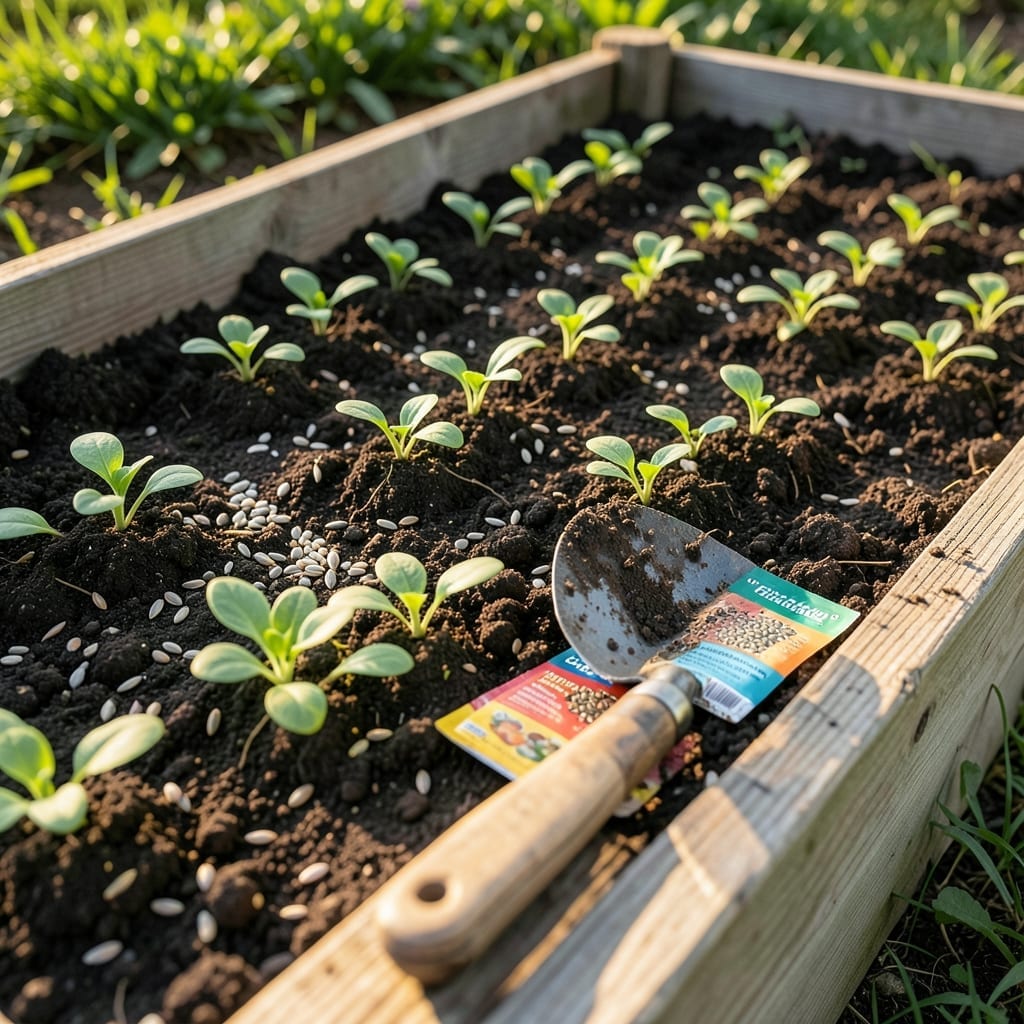
Timing is everything when starting seeds outdoors—plant too early and frost may kill your seedlings, too late and you’ll miss the optimal growing window.
I’ve learned the hard way that the key to success lies in understanding your local climate and soil conditions. For General Vegetables 🌱 in zone 6, the sweet spot is typically March through April.
Let me show you how to pinpoint the perfect moment for your area and set your garden up for a bountiful harvest.
Knowing when to start seeds outdoors can make or break your garden. I always check my USDA hardiness zone first—it’s the foundation for good timing. In Zone 6, for example, March to April is ideal for most vegetables.
But timing isn’t one-size-fits-all. Soil temperature and last frost dates vary even within zones. I’ve found that waiting until soil reaches at least 50°F prevents many early-season disasters.
| Zone | Ideal Months | Last Frost Date | Soil Temp |
|---|---|---|---|
| 3-4 | April-May | May 15 | 55°F+ |
| 5-6 | March-April | April 15 | 50°F+ |
| 7-8 | Feb-March | March 15 | 45°F+ |
| 9-10 | Jan-Feb | Feb 15 | 40°F+ |
For cool-season crops like peas and spinach, I start 4-6 weeks before the last frost. These can handle light frosts and even benefit from cooler temps. Just be sure your soil is workable—not waterlogged or frozen.
Warm-season plants like tomatoes and peppers need both warm soil and air. In Zone 6, I wait until mid-May when night temps stay above 50°F. Pushing it earlier often leads to stunted growth.
I’ve learned to watch the 10-day forecast religiously. A late frost can wipe out tender seedlings. If cold snaps are predicted, I cover my beds with frost cloth or old blankets. It’s a simple step that saves my plants year after year.
Don’t forget about soil preparation. I test my soil 2-3 weeks before planting. Amending with compost improves both drainage and nutrient content. Healthy soil gives seeds the best start possible.
For perennial flowers, timing is more flexible. Many can be started outdoors in fall for early spring blooms. But I always check the specific needs of each variety—some prefer spring planting.
Remember that microclimates matter. A south-facing wall or urban heat island can create pockets where you can plant 2-3 weeks earlier. I’ve had great success with heat-loving plants in these spots.
Finally, keep a garden journal. Tracking your planting dates and results helps refine your timing each year. My notes from past seasons are my most valuable tool for deciding when to start seeds outdoors 🌱
While USDA zones give a solid baseline, I always adjust for my local microclimate. Urban areas often run 5-10°F warmer than rural spots. I’ve planted tomatoes two weeks early in my city garden with great success.
I check my last frost date religiously, but also watch the 10-day forecast. If a cold snap threatens, I delay planting or use row covers for protection. It’s saved my seedlings more than once.
Elevation makes a big difference too. My cousin gardens at 5,000 feet and starts seeds 3-4 weeks later than I do at sea level. Even a 500-foot elevation change can shift your planting window.
For coastal areas, the ocean moderates temperatures. I’ve found I can plant earlier in spring but must watch for salt spray on tender seedlings. Windbreaks help protect young plants from harsh sea breezes.
Raised beds and black plastic mulch are my secret weapons. They warm the soil 5-10°F faster than ground planting. I’ve measured this with a soil thermometer—it’s a game changer for early planting.
I also pay attention to south-facing slopes in my yard. These spots get more sun and warm up quicker. I reserve them for heat-loving plants like peppers and eggplants that need extra warmth.
Remember that weather patterns are changing. I keep records of my planting dates and first/last frosts each year. This helps me spot trends and adjust my schedule as our climate shifts 🌱