
Beautiful Plants For Your Interior
Beautiful Plants For Your Interior
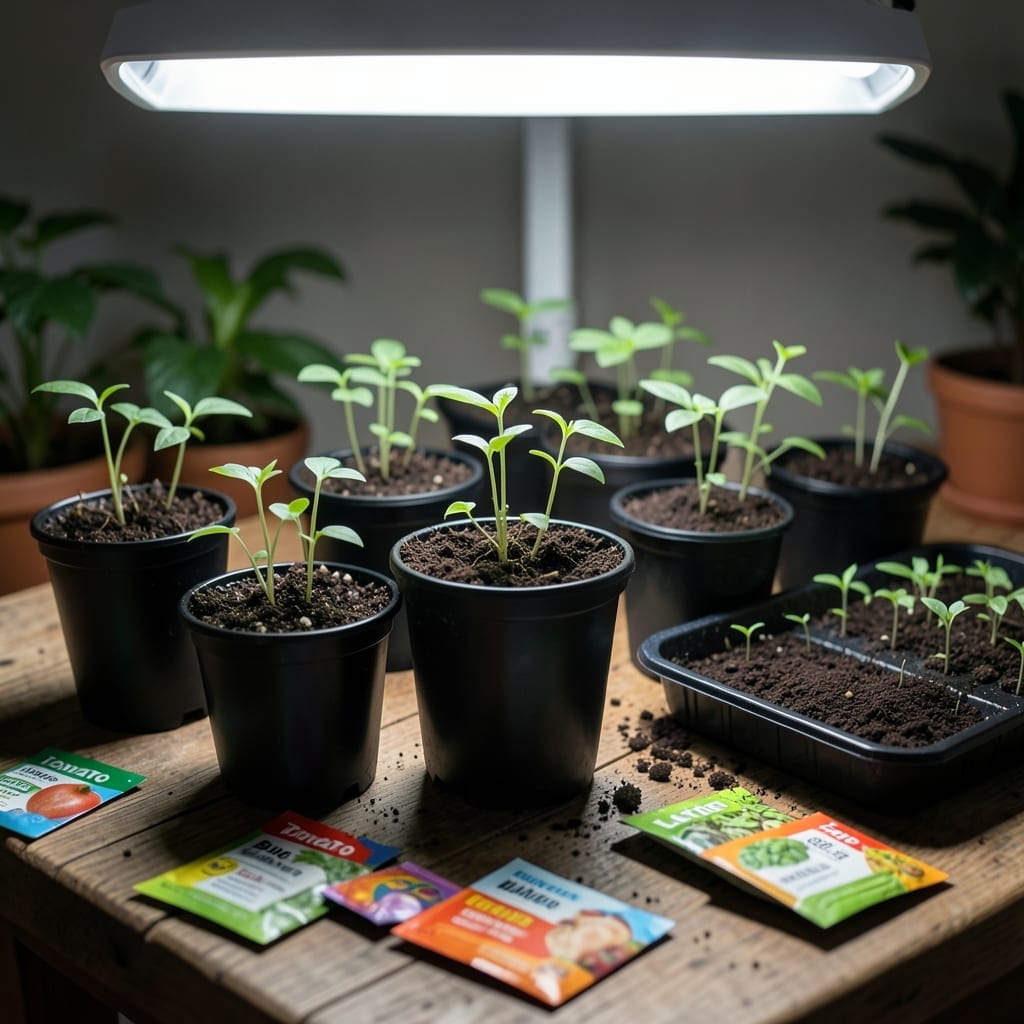
Timing is everything when starting General Seed Starting 🌱 indoors in Ohio, where unpredictable springs can make or break your garden. Get it right, and you’ll enjoy earlier harvests and stronger plants.
I’ve learned that Ohio’s 6a zone demands precision. Start too early, and your seedlings will be leggy by transplant time. Start too late, and you’ll miss the optimal growing window.
Let me share the exact timing that works for Ohio gardeners. You’ll discover the best weeks to begin and how to align them with our last frost date.
Ohio spans zones 5a-6b, meaning our last frost date varies from early April to mid-May. In zone 6a, I aim for April 15 as my frost-free marker, but always check your exact location.
Starting seeds indoors gives you a 6-8 week head start before transplanting. For most vegetables, that means beginning in mid-February to early March for the best results.
| Plant Type | Start Indoors | Transplant Outdoors |
|---|---|---|
| Tomatoes | 6-8 weeks before last frost | 2 weeks after last frost |
| Peppers | 8-10 weeks before last frost | 2-3 weeks after last frost |
| Broccoli | 5-6 weeks before last frost | 2-3 weeks before last frost |
| Marigolds | 6-8 weeks before last frost | After last frost |
| Cucumbers | 3-4 weeks before last frost | 1-2 weeks after last frost |
For zone 5a (northern Ohio), you’ll want to start seeds about a week later than in zone 6. I always mark my calendar for March 1 as the safe start date for most crops.
Slow-growing plants like peppers and eggplants need that extra time. I begin these in late January to early February to ensure they’re ready when the soil warms.
Fast growers like cucumbers and squash only need 3-4 weeks indoors. Starting these too early leads to overgrown seedlings that are harder to transplant.
I’ve found that using a heating mat can speed up germination for heat-loving plants. This is especially helpful in our cooler Ohio springs when indoor temps might be on the low side.
Remember, these dates are guidelines. Ohio weather is notoriously unpredictable. I always keep an eye on the extended forecast and adjust my plans if a late frost is predicted.
By following this timeline, you’ll have strong, healthy seedlings ready to thrive when the weather finally cooperates.
🌱
Starting seeds indoors in Ohio requires careful preparation and timing. I always begin by selecting high-quality seeds from trusted suppliers, as fresh seeds germinate better and grow stronger.
Next, I gather clean containers with drainage holes. You can use seed trays, peat pots, or even recycled plastic containers—just ensure they’re sterilized to prevent disease.
I place my seedlings under grow lights for consistent results. A south-facing window can work, but Ohio’s early spring light is often insufficient, leading to leggy seedlings.
Once seeds sprout, I remove the plastic cover and ensure good air circulation with a small fan. This prevents damping off, a common fungal issue in humid indoor environments.
As seedlings grow, I harden them off before transplanting. This means gradually exposing them to outdoor conditions over 7-10 days, starting with a few hours of shade.
Finally, I transplant into the garden only after the last frost date has passed and the soil has warmed. This careful process ensures my Ohio seedlings thrive from the start. 🌱