
Beautiful Plants For Your Interior
Beautiful Plants For Your Interior
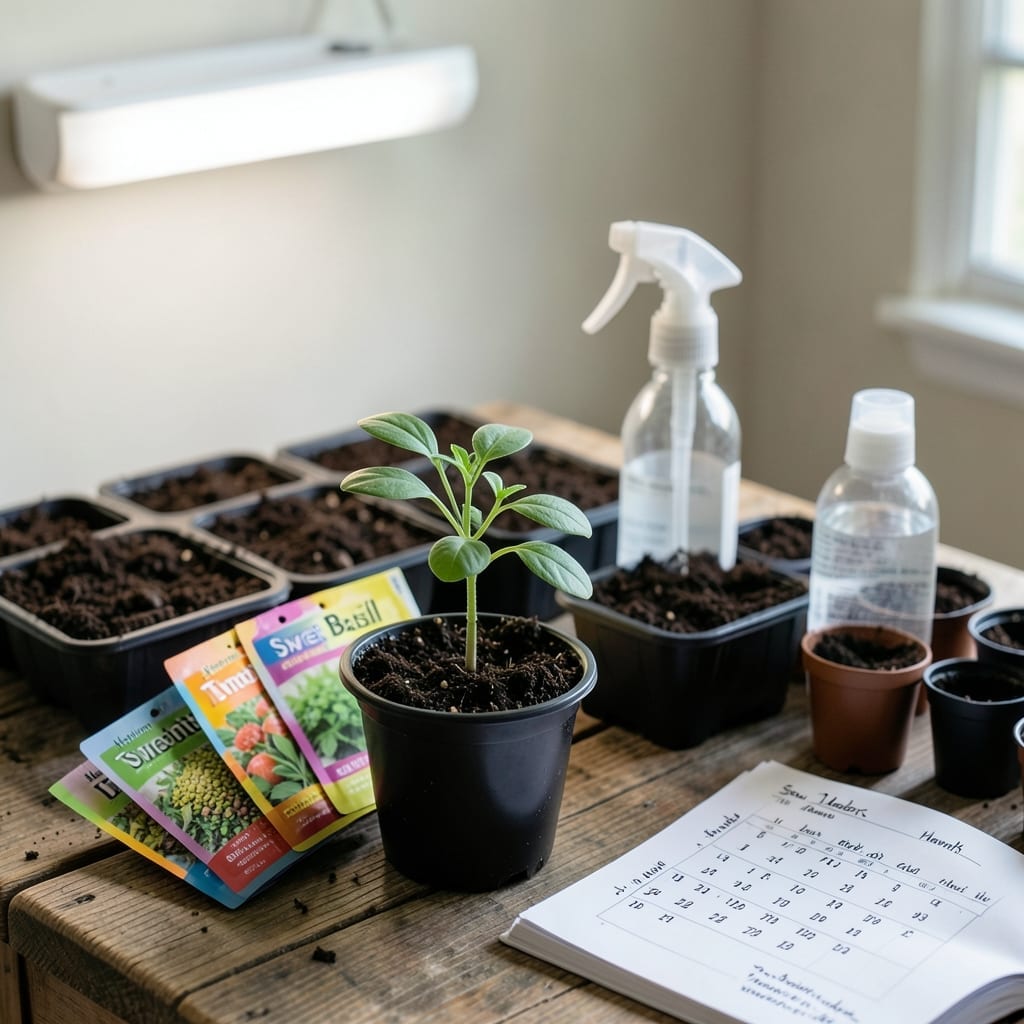
Timing is everything when starting 🌱 Seed Starting indoors—plant too early or too late, and your garden could suffer. Our zone-based planting calendar removes the guesswork.
Whether you’re in zone 6 or another region, knowing the optimal window between February and April can make or break your harvest. I’ll show you how to align your efforts with nature’s clock.
Discover the simple yet powerful approach that ensures your seedlings thrive before transplanting. Let’s get your spring garden off to the perfect start.
Getting your seed starting timing right means syncing with your local last frost date. I’ve found that most gardeners in zone 6 should begin indoor sowing between February and April for best results.
Climate plays a huge role in germination success. Warmer zones can start earlier, while colder areas need to wait. This chart will help you pinpoint the perfect window for your region’s conditions.
| Zone | Start Indoors | Last Frost | Transplant Outdoors |
|---|---|---|---|
| 3-4 | Jan-Feb | April 15 | May 1 |
| 5-6 | Feb-Mar | April 15 | May 15 |
| 7-8 | Mar-Apr | March 15 | April 15 |
| 9-10 | Jan-Feb | Feb 15 | March 1 |
For zone 6 gardeners, I recommend starting tomato and pepper seeds indoors about 8 weeks before the last frost date. This gives them time to develop strong roots.
Leafy greens like lettuce and spinach can be started 4-6 weeks before transplanting. They grow quickly and don’t need as much indoor time.
Slow-growing plants such as celery or parsley may need 10-12 weeks indoors. Always check the seed packet for specific guidance.
Your local microclimate matters too. If you live in a city heat island or a cold pocket, adjust your timing by 1-2 weeks accordingly.
I’ve seen gardeners struggle when they start seeds too early. Leggy seedlings and root-bound plants are common issues. Stick to the timeline for your zone.
Remember that light requirements change as seedlings grow. Most need 12-16 hours of bright light daily. A south-facing window works, but grow lights are more reliable.
Consistent moisture and warmth are key. I keep my seed trays on heat mats at 70-75°F until germination, then move them to cooler spots.
With this zone-based approach, you’ll have strong seedlings ready to thrive when it’s time to move them outside 🌱
Our free PDF chart simplifies seed starting by showing exact indoor sowing dates for your USDA zone. I designed it to eliminate confusion about when to begin.
First, locate your hardiness zone on the chart. Then, find the corresponding last frost date and count backward using the recommended weeks before transplant for each plant.
The chart includes common vegetables, herbs, and flowers with their ideal indoor starting windows. For example, tomatoes need 6-8 weeks indoors in most zones.
I always recommend checking the seed packet for specific instructions, as some varieties may differ. The chart provides a general guideline that works for most gardeners.
For zone 6, the chart shows February to April as prime starting months. I start my peppers in early March to ensure they’re ready after the last frost.
Local adjustments are crucial. If you have a greenhouse or cold frame, you might start seeds 2 weeks earlier than suggested.
Using this chart has helped me avoid common mistakes like starting too early or too late. My seedlings are now stronger and healthier when it’s time to transplant 🌱