
Beautiful Plants For Your Interior
Beautiful Plants For Your Interior
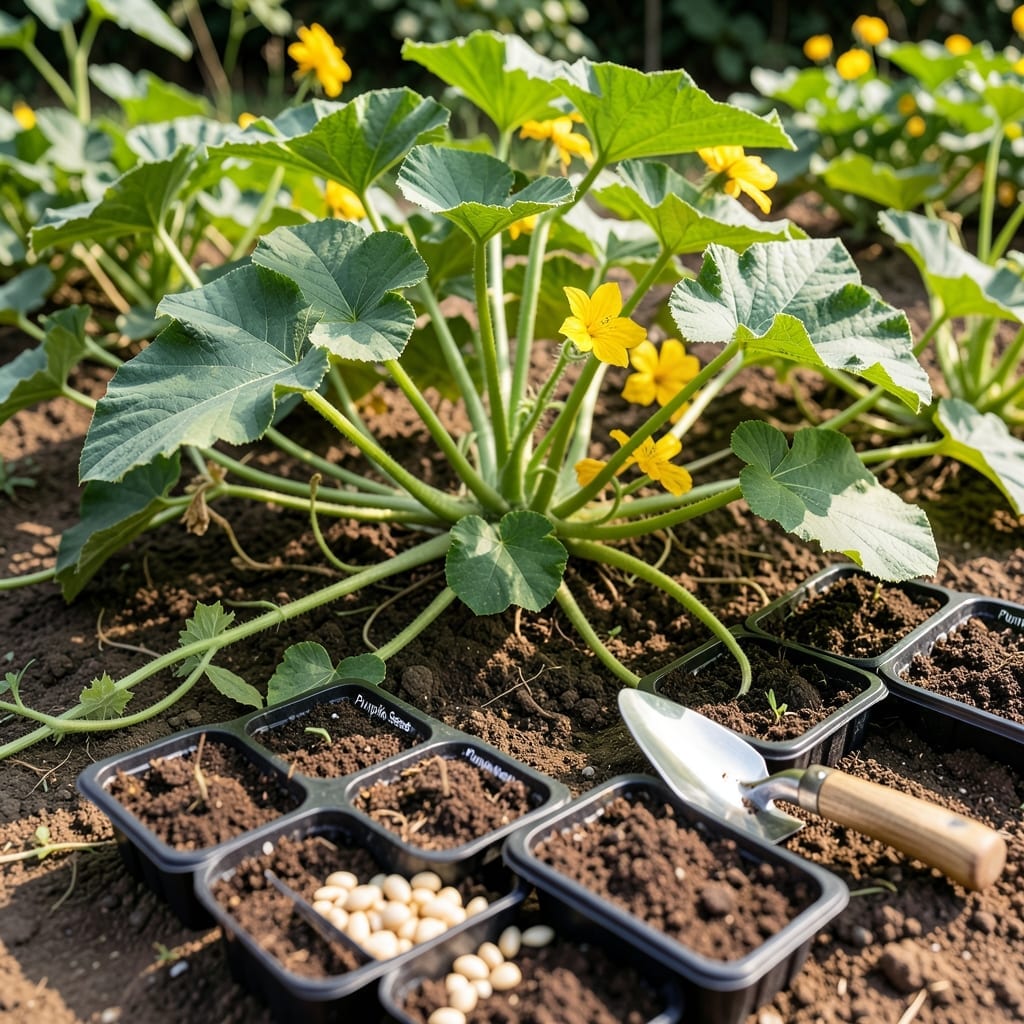
Timing is everything when growing the perfect 🎃 Pumpkin. Start seeds too early, and a late frost could wipe out your seedlings. Wait too long, and you might miss your harvest window entirely.
In Zone 6, the sweet spot is between April and June, when soil warms and frost risks fade. But your exact timing depends on whether you’re starting indoors or sowing directly outside.
Discover how to align your planting with local conditions for a bountiful fall harvest. I’ll walk you through the key factors that ensure your Pumpkins thrive from seed to vine.
Getting your pumpkin seeds started at the right time ensures healthy vines and a great fall harvest. The key factor is soil temperature—it must be at least 60°F for proper germination.
In warmer zones like 7-10, you can direct sow seeds as early as March. Cooler zones like 3-5 should wait until May or start indoors 2-4 weeks before the last frost.
| USDA Zone | Indoor Start | Outdoor Start |
|---|---|---|
| 3-4 | Late April | Mid May |
| 5-6 | Early April | Late April |
| 7-8 | Late March | Early April |
| 9-10 | Early March | Late March |
In Zone 6, where I garden, the ideal window is between April and June. I always check the 10-day forecast to avoid unexpected late frosts.
For the earliest harvest, start seeds indoors about 2-4 weeks before your last frost date. This gives seedlings a head start before transplanting them outside.
If you prefer direct sowing, wait until soil temps consistently hit 60-65°F. Use a soil thermometer for accuracy—don’t guess!
Pumpkin varieties matter too. Smaller types like ‘Jack Be Little’ mature faster and can be planted later. Larger varieties like ‘Atlantic Giant’ need more time.
Remember that pumpkins need about 75-100 days to mature. Count backward from your desired harvest date to determine the latest safe planting time.
In my experience, morning sun and well-draining soil make a huge difference. I always amend my beds with compost before planting for best results.
Watch for frost warnings even after planting. If a cold snap threatens, cover young plants with frost cloth or old blankets overnight.
🌱Choosing between indoor and outdoor starting depends on your climate and goals. Indoor starting gives you a head start on the season, while outdoor sowing is simpler.
I prefer indoor starting in early spring to avoid late frosts. This method lets me control temperature and moisture for better germination rates.
For outdoor sowing, wait until soil reaches 60°F. In my Zone 6 garden, this is usually late April to early May for direct planting.
Indoor starting works best for me when I want giant pumpkins. I start seeds 4 weeks before last frost, then transplant when danger of frost passes.
Remember that pumpkin seedlings are sensitive to disturbance. Use peat pots or biodegradable containers to minimize root shock during transplanting.
Both methods can work well. The key is matching your approach to your local climate and growing season length. I’ve had success with both in different years.
🌱