
Beautiful Plants For Your Interior
Beautiful Plants For Your Interior
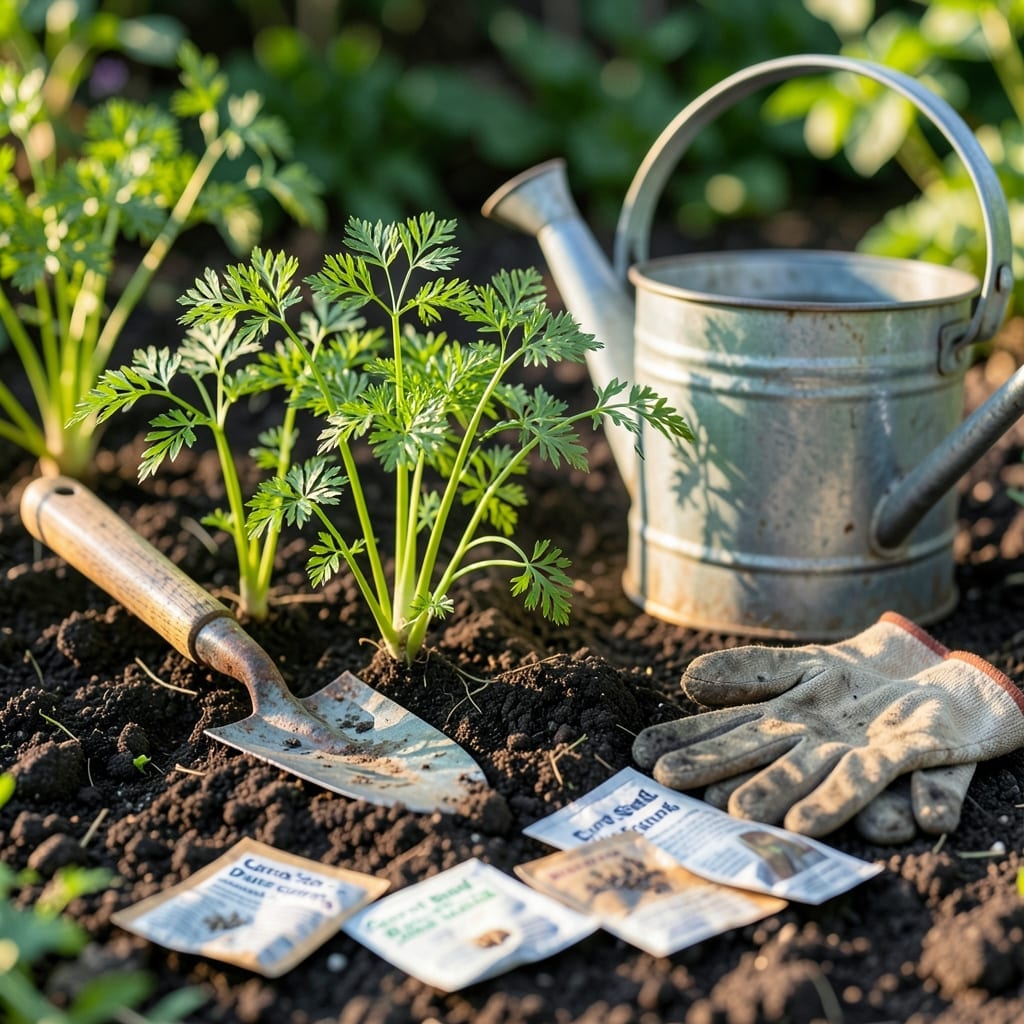
Timing is everything when you’re planting General Vegetables outdoors. One wrong move, and frost can undo weeks of prep work. But get it right, and you’re on track for a bountiful harvest from July to October.
I’ve seen too many gardeners jump the gun or wait too long, missing their window entirely. The good news? There’s a simple way to nail your timing every time.
Discover how to read your local climate cues and plant with confidence. Your future self—and your garden—will thank you.


Knowing when to start planting seeds outdoors begins with understanding your USDA hardiness zone. Each zone has unique frost dates that dictate your planting window.
In Zone 6, for example, the last frost typically hits around April 15, making late April ideal for most warm-season crops like tomatoes and peppers.
| Zone | Last Frost Date | Planting Window | Example Crops |
|---|---|---|---|
| Zone 3-4 | May 15 | Late May-June | Kale, Peas |
| Zone 5 | April 15 | Mid-April-May | Lettuce, Carrots |
| Zone 6 | April 15 | April-May | Beans, Cucumbers |
| Zone 7-8 | March 15 | March-April | Corn, Squash |
For cool-season crops like spinach or broccoli, you can plant 4-6 weeks before your last frost date. These thrive in cooler soil and can handle light frosts.
Always check your soil temperature with a garden thermometer. Most seeds need 60°F soil to germinate properly. Too cold, and they’ll rot in the ground.
I recommend using a planting calendar app or local extension office guides for hyper-local advice. They often account for microclimates in your area.
Warm-season crops like tomatoes and peppers need 70°F soil and should only go out after all frost danger has passed. In Zone 6, that’s typically mid-May.
For the best results, I always start seeds indoors 6-8 weeks before transplanting for slow growers like peppers. This gives them a head start in our shorter growing seasons.
Remember, these are general guidelines. Your specific garden might have unique conditions that require slight adjustments to the timing.
🌱Not all outdoor seeds follow the same timeline. I’ve learned that germination speed and frost tolerance vary wildly between varieties, requiring smart timing adjustments.
Fast germinators like radishes or lettuce can go in 2-4 weeks before your last frost date. These cool-season crops often handle light frosts with ease.
Slow germinators like parsley or parsnips need extra time. I start these 3-4 weeks earlier than faster varieties to ensure they mature properly.
For frost-tolerant plants like kale or peas, I push the envelope by planting 4-6 weeks before the last frost. These can often survive light freezes without damage.
Warm-season crops like beans and corn require warmer soil. I wait until soil temps consistently hit 60-70°F before planting these outdoors.
In my shadier garden spots, I adjust planting times by 1-2 weeks later. These areas stay cooler longer, so seeds need that extra warmth to thrive.
Always check your seed packets for specific timing. I’ve found these often have the most accurate information for your particular variety. 🌱