
Beautiful Plants For Your Interior
Beautiful Plants For Your Interior
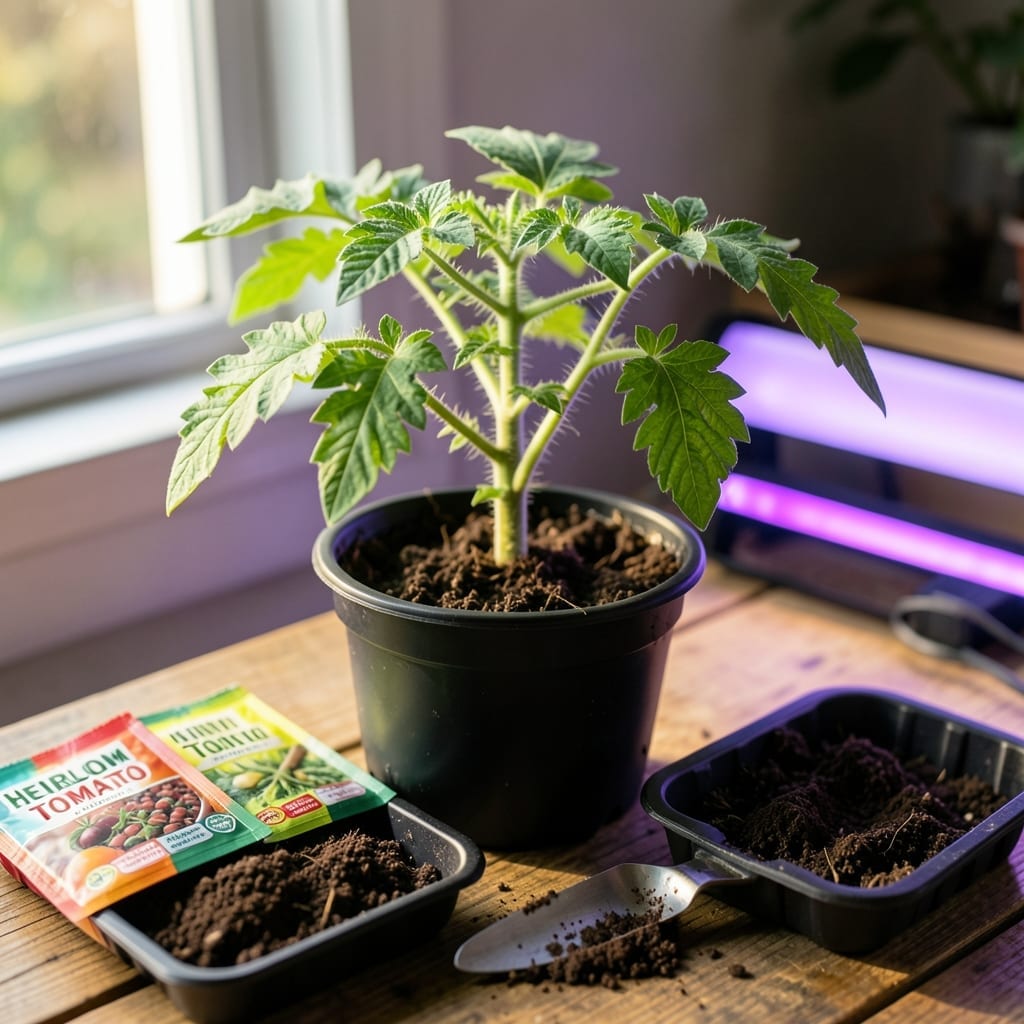
Timing is everything when starting General Seedlings 🌱 indoors. Plant too early and your seedlings outgrow their space. Too late, and you’ll miss the growing season entirely.
I’ve learned the hard way that 6-8 weeks before your last frost date is the sweet spot for most varieties. This gives your plants the head start they need without the risk of becoming leggy or root-bound.
Discover how to align your planting schedule with your climate zone. It’s the game-changer for healthy, thriving seedlings ready for transplanting.


Getting your indoor seed starting timing right depends on your USDA hardiness zone. Each zone has a different last frost date, which dictates when to begin. I always recommend checking your local frost dates for precision.
For most gardeners, 6-8 weeks before the last frost is ideal for tomatoes, peppers, and eggplants. Cooler zones may need 10-12 weeks for slow growers like broccoli or cabbage. 🌱
| Zone | Last Frost Date | Start Seeds Indoors | Example Plants |
|---|---|---|---|
| 1-2 | May 15 – June 15 | 12-14 weeks before | Cabbage, Kale |
| 3-4 | May 1 – May 15 | 10-12 weeks before | Broccoli, Brussels Sprouts |
| 5-6 | April 15 – May 1 | 8-10 weeks before | Tomatoes, Peppers |
| 7-8 | April 1 – April 15 | 6-8 weeks before | Basil, Marigolds |
| 9-11 | March 1 – March 15 | 4-6 weeks before | Zinnias, Cucumbers |
In Zone 5-6, where I garden, mid-March is perfect for starting tomato seeds indoors. This gives them 8 weeks to grow strong before transplanting after the last frost in mid-April.
For fast-growing plants like lettuce or radishes, you only need 4-6 weeks indoors. These can even be direct-sown in warmer zones, but starting indoors gives you a head start. 🌿
If you’re in Zone 9-11, your growing season is longer, so you can start seeds as early as January for some crops. However, watch for unexpected cold snaps that can damage tender seedlings.
Flower seeds often need 10-12 weeks indoors. Petunias and geraniums are classic examples. I’ve found that starting these in late February works well for a Zone 6 spring transplant.
Always check your seed packets for specific instructions. Some varieties, like onions, may need 12-16 weeks indoors. Others, like beans, prefer direct sowing and resent transplanting. ☀️
Remember, these are general guidelines. Your local microclimate might require adjustments. If you live near a large body of water or in a urban heat island, your frost dates may differ.
I recommend keeping a garden journal to track your seed starting dates and results each year. Over time, you’ll refine your schedule for maximum success with your specific conditions. 🌱
Even with a zone-based schedule, local factors can shift your indoor seed starting dates. I always check my microclimate first—urban areas often run 2-3°F warmer than rural spots. 🌱
Your soil temperature matters more than air temps. Most seeds need 60-70°F soil to germinate. Use a soil thermometer to verify conditions before planting.
In my Zone 6 garden, I start tomato seeds 8 weeks before last frost, but add 2 extra weeks for slow-growers like peppers. This accounts for our cool springs. 🌿
If you’re near a large lake, your last frost may come later. Gardens by Lake Erie often need 1-2 week delays compared to inland areas.
Fast-draining soils warm up quicker in spring. If your soil stays cold, consider black plastic mulch to speed warming before transplanting seedlings.
I’ve found that keeping a journal of my seed starting dates and local weather helps me refine my schedule each year for better germination rates. ☀️