
Beautiful Plants For Your Interior
Beautiful Plants For Your Interior
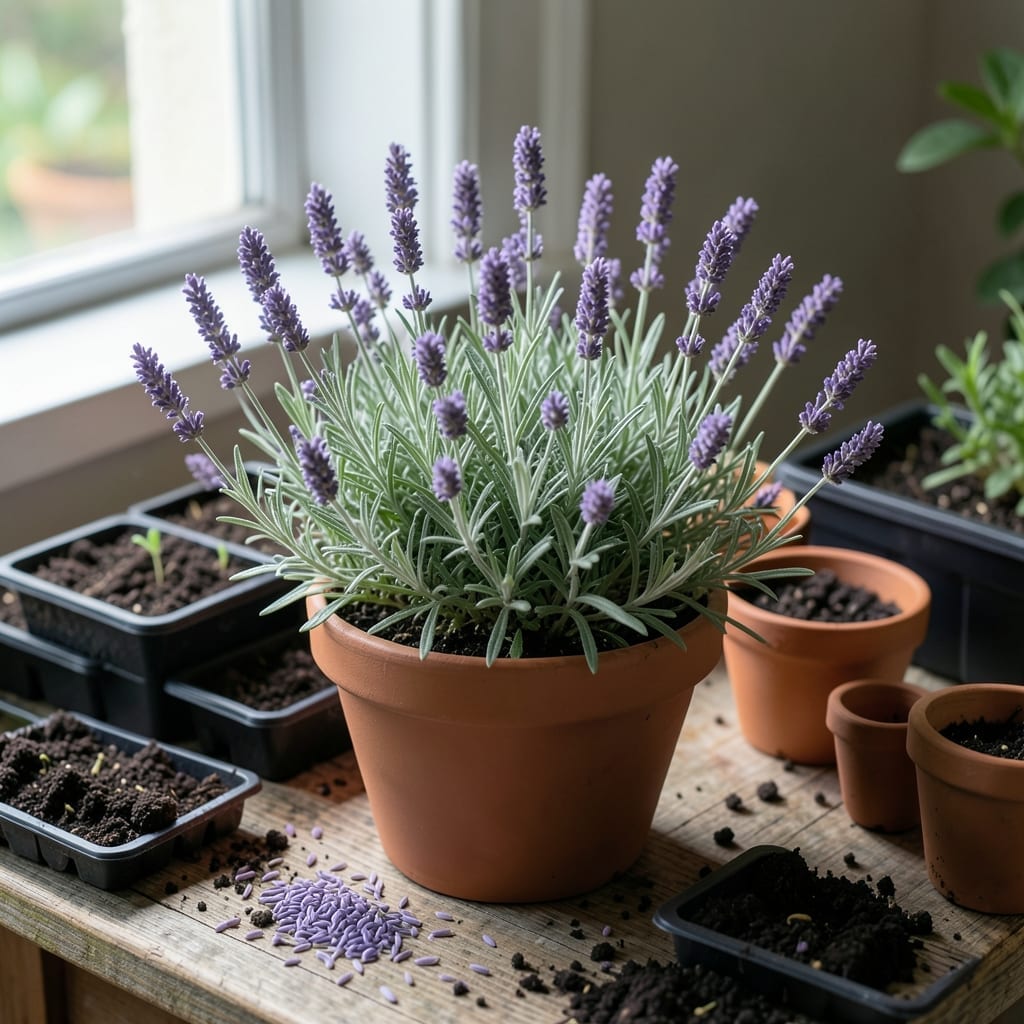
Timing is everything when starting Lavender 🌿 seeds indoors—plant too early or too late, and your delicate seedlings may struggle to thrive once transplanted.
Mastering the indoor start schedule ensures robust plants ready to flourish in your garden. Whether you’re in zone 5-9, getting this right makes all the difference.
Discover the simple yet most important timing secrets that transform your lavender-growing success from the very first sprout.
Starting lavender seeds indoors requires precise timing to ensure strong, healthy seedlings ready for transplant. The key is counting backward from your last frost date, which varies by region.
Lavender seeds need 8-10 weeks indoors before the last frost to develop properly. This gives them enough time to grow sturdy roots and stems before facing outdoor conditions.
| USDA Zone | Last Frost Date | Start Seeds Indoors |
|---|---|---|
| 5-6 | April 15 – May 15 | February 1-15 |
| 7 | April 1-15 | January 25 – February 10 |
| 8 | March 15 – April 1 | January 15 – February 1 |
| 9 | February 15 – March 1 | December 20 – January 10 |
For Zone 5-6, where frost lingers until mid-April, I recommend starting seeds in early February. This gives your lavender seedlings the full 10 weeks they need to establish themselves.
In Zone 7, with an earlier last frost date, you can start seeds as early as late January. This ensures your plants are ready to transplant by mid-April when the soil warms up.
Gardeners in Zone 8 should begin sowing in mid-January. The milder winters allow for an earlier start, but don’t rush—lavender seeds still need that 8-10 week head start.
If you’re in Zone 9, you can start as early as late December. The warm climate means your seedlings will be ready to transplant by late February or early March.
Remember, cold stratification can improve germination rates. I often place seeds in the fridge for 1-2 weeks before planting to mimic winter conditions.
Always use a well-draining seed mix and keep the soil moist but not soggy. Lavender seeds are slow to germinate, so patience is key—expect sprouts in 14-28 days. 🌱
Once seedlings emerge, provide 12-14 hours of light daily using grow lights if natural sunlight is insufficient. This prevents leggy, weak seedlings.
As your lavender grows, gradually harden off the seedlings by exposing them to outdoor conditions for 1-2 hours a day, increasing the time over a week.
Starting lavender seeds indoors is rewarding but requires patience and attention to detail. I always begin with cold stratification to break dormancy, as this mimics natural winter conditions.
Place your lavender seeds in a damp paper towel inside a sealed plastic bag, then refrigerate for 1-2 weeks before planting. This simple step boosts germination rates significantly.
After stratification, fill seed trays with a sterile seed mix and lightly press seeds into the surface. Lavender needs light to germinate, so don’t bury them too deep.
I place my trays on a heat mat to maintain consistent 70°F soil temperature. Without this, germination can take much longer or fail entirely.
Once seeds sprout in 14-28 days, move them to brighter light immediately. I use grow lights positioned just 2-3 inches above seedlings to prevent leggy growth.
Begin fertilizing with a diluted liquid fertilizer once true leaves appear. I find a 5-10-10 formula works well, applied at half strength every 2 weeks.
As seedlings grow, thin them to 2-3 inches apart to prevent crowding. This gives each plant room to develop strong roots before transplanting.