
Beautiful Plants For Your Interior
Beautiful Plants For Your Interior
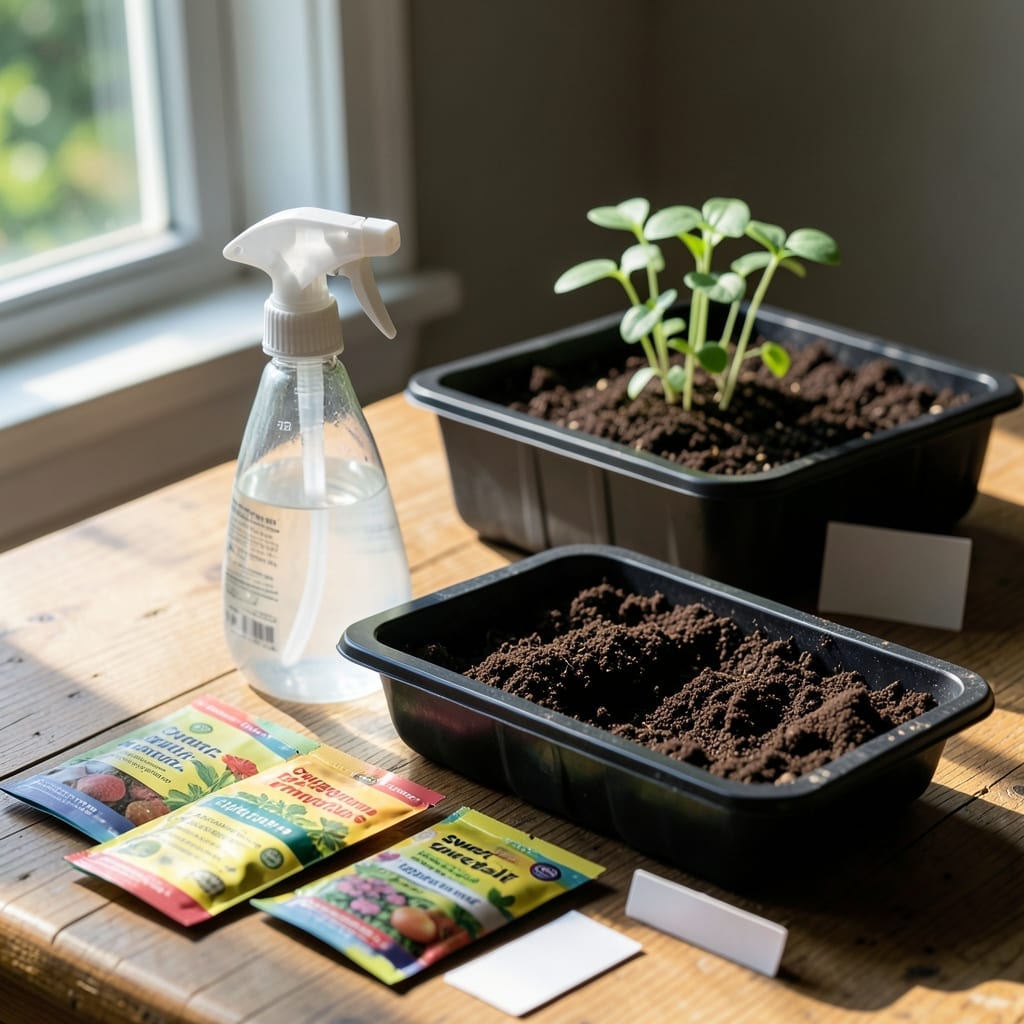
Timing is everything when it comes to germinating General Seed—start too early or too late, and your garden could suffer. The perfect moment depends on your climate, and I’ll help you nail it.
Whether you’re in USDA Zone 6 or another region, knowing when to begin ensures strong, healthy seedlings. I’ve tested different schedules, and the right timing makes all the difference.
For General Seed, the ideal window is March to April. But indoor vs. outdoor starts change the game. Let’s break it down so you get it right the first time.
Discover how to align your germination schedule with the seasons. Your future garden will thank you for this head start.
Timing your seed germination right can make or break your garden. I always check the USDA hardiness zone first, as it tells me exactly when to start. In Zone 6, for example, indoor sowing begins 6-8 weeks before the last frost.
Outdoor planting depends on soil temperature. Cool-season crops like lettuce thrive in 40-60°F soil, while tomatoes need 60-70°F. I use a soil thermometer to be sure.
| Zone | Last Frost | Indoor Start | Outdoor Start |
|---|---|---|---|
| Zone 3-4 | May 15 | March 1 | May 15 |
| Zone 5 | April 15 | February 20 | April 20 |
| Zone 6 | April 1 | February 10 | April 10 |
| Zone 7-8 | March 15 | January 20 | March 20 |
For warm-season plants like peppers, I wait until all frost danger passes. In Zone 6, that’s typically mid-April. Starting too early without enough light leads to leggy seedlings, which I avoid.
Cool-season crops such as spinach can be sown 4-6 weeks before the last frost. I’ve had success direct-sowing these in early March in Zone 6, as they tolerate light frosts.
Indoor germination gives me a head start. I use grow lights for 14-16 hours daily to mimic summer sun. This is crucial for slow-growers like celery or onions, which need 10-12 weeks indoors.
Soil temperature is key for outdoor planting. I test with my soil thermometer—if it’s below 50°F, I wait. Beans and corn won’t germinate well in cold soil, so I plant them later.
In hot climates like Zone 9, I start warm-season crops in early February indoors. For cool-season plants, I plant them in fall to avoid summer heat. Timing is everything.
I always check the seed packet for specific instructions. Some varieties have unique needs. For example, lupines need scarification before planting, which affects my timeline.
Remember, these are guidelines. I adjust based on microclimates in my yard. A south-facing wall might be warmer, allowing earlier planting. Observation is my best tool.
With practice, you’ll learn your garden’s rhythm. I’ve found that keeping a garden journal helps track what works best each season 🌱
I’ve found that cool-season crops like lettuce and spinach thrive when started 4-6 weeks before the last frost. These hardy plants can even tolerate light frosts once germinated.
For warm-season plants such as tomatoes and peppers, I always wait until after the last frost. Starting these indoors 8-10 weeks early gives them a head start before transplanting outside.
| Plant Type | Indoor Start | Outdoor Start |
| Cool-Season (Lettuce) | 4-6 weeks before frost | 2-4 weeks before frost |
| Warm-Season (Tomato) | 8-10 weeks before frost | After last frost |
| Herbs (Basil) | 6-8 weeks before frost | When soil is 70°F+ |
Flowers like marigolds and zinnias are best started indoors 6-8 weeks before the last frost. They’ll bloom faster when transplanted after the frost danger has passed.
I always check the seed packet for specific timing. Some fast-growing plants like radishes can be sown directly outdoors 2-3 weeks before the last frost date.
For perennials and slow-growers, such as lavender, I start them indoors 10-12 weeks early. This gives them enough time to establish strong roots before moving outside.
Remember, local climate and microclimates can affect timing. I use a soil thermometer to confirm the ground is warm enough for outdoor planting.
🌱