
Beautiful Plants For Your Interior
Beautiful Plants For Your Interior
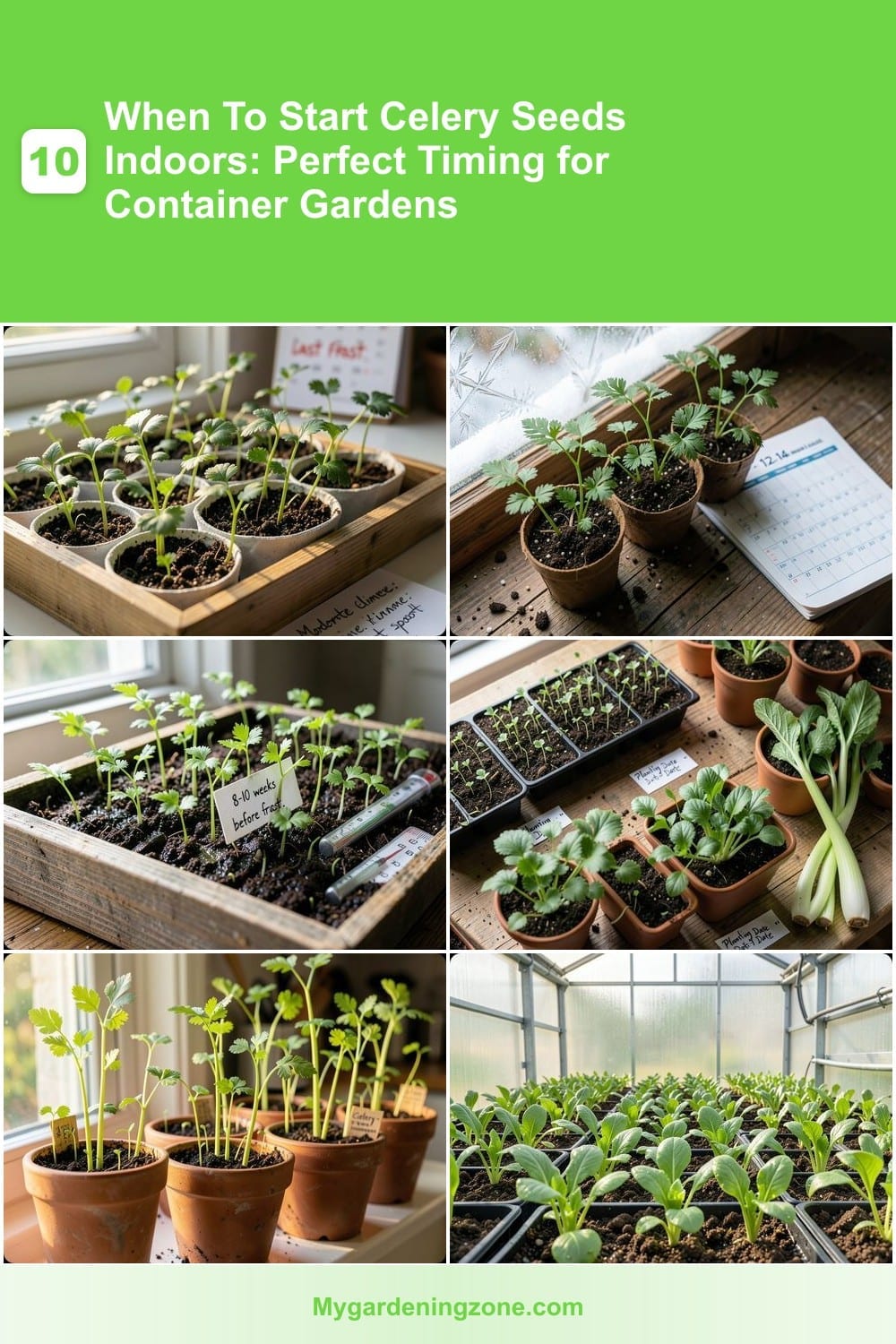
Timing is everything when starting celery seeds indoors. This cool-season crop needs a long growing period, and getting the start date right ensures strong seedlings ready for transplant. Discover the perfect schedule for your climate and container setup.
For most gardeners, this is the sweet spot that works across moderate climates. Starting your celery seeds indoors 10-12 weeks before your last frost date gives them the long, steady head start they need.
Celery is a slow grower, and this timeline ensures your seedlings will be sturdy and ready for transplant when warm weather arrives. Keep your trays under grow lights for 12-14 hours daily, as the tiny seeds need consistent light to germinate and thrive. Maintain soil temperatures around 70-75°F for best results.
This approach is ideal for beginners or those in zones with distinct seasons, offering a reliable baseline for healthy plants. 🌱
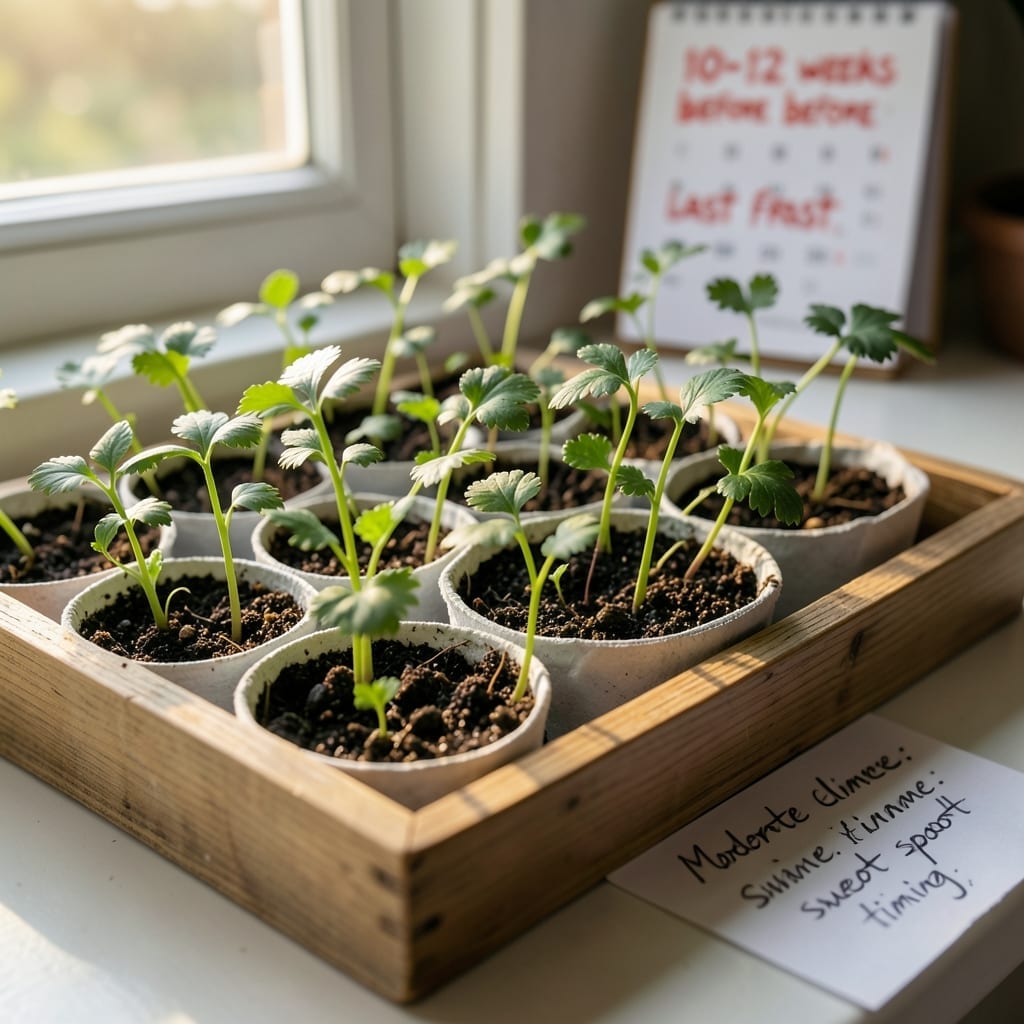
Northern gardeners face the challenge of shorter growing seasons, making early starts essential for celery success. While the standard 10-12 week timeline works for many, colder climates demand extra time to beat the first fall frost.
Begin your celery seeds indoors 12-14 weeks before your last expected frost date. This head start ensures your plants reach maturity before cold weather sets in. Use grow lights to compensate for limited winter sunlight, keeping seedlings stocky and strong.
This approach is perfect for gardeners in zones 3-5 who want to enjoy homegrown celery without rushing the process. 🌱
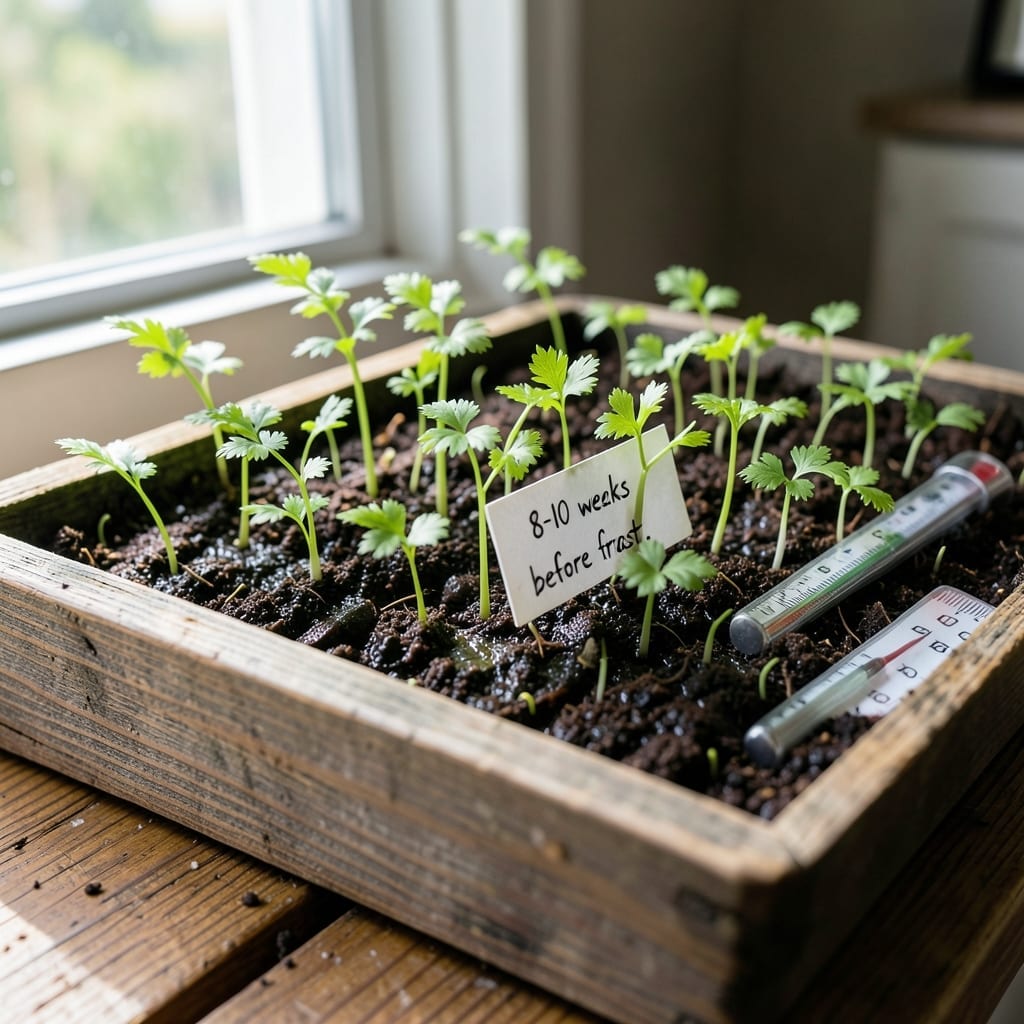
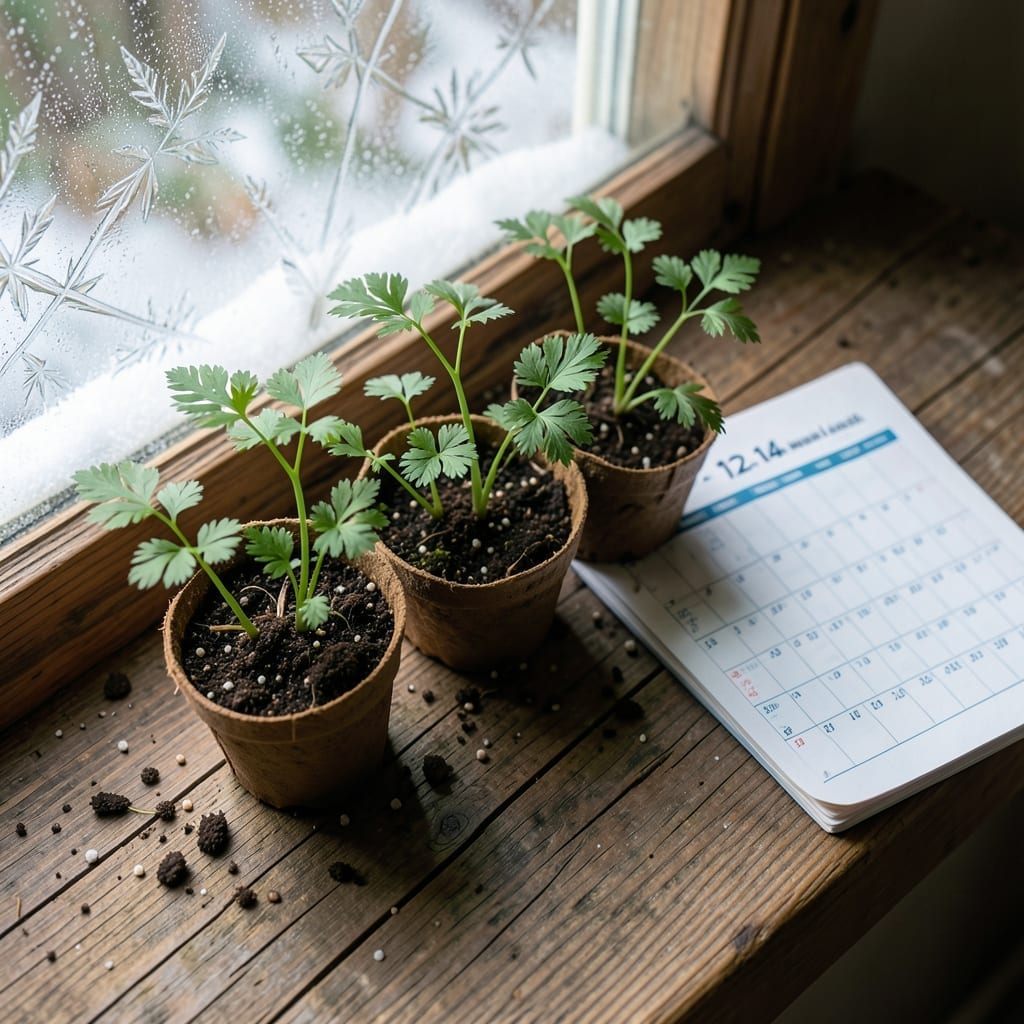
Southern gardeners, your warm climate actually works against you with celery. This cool-season crop can bolt prematurely if exposed to early heat waves, ruining your harvest before it even begins.
Start your celery seeds 8-10 weeks before last frost—later than northern gardeners—to avoid this issue. This timing ensures seedlings are ready to transplant just as temperatures become ideal, giving you strong plants without the stress of early flowering.
This approach works especially well for container gardeners in zones 7-10 who can control their growing environment more precisely. 🌱
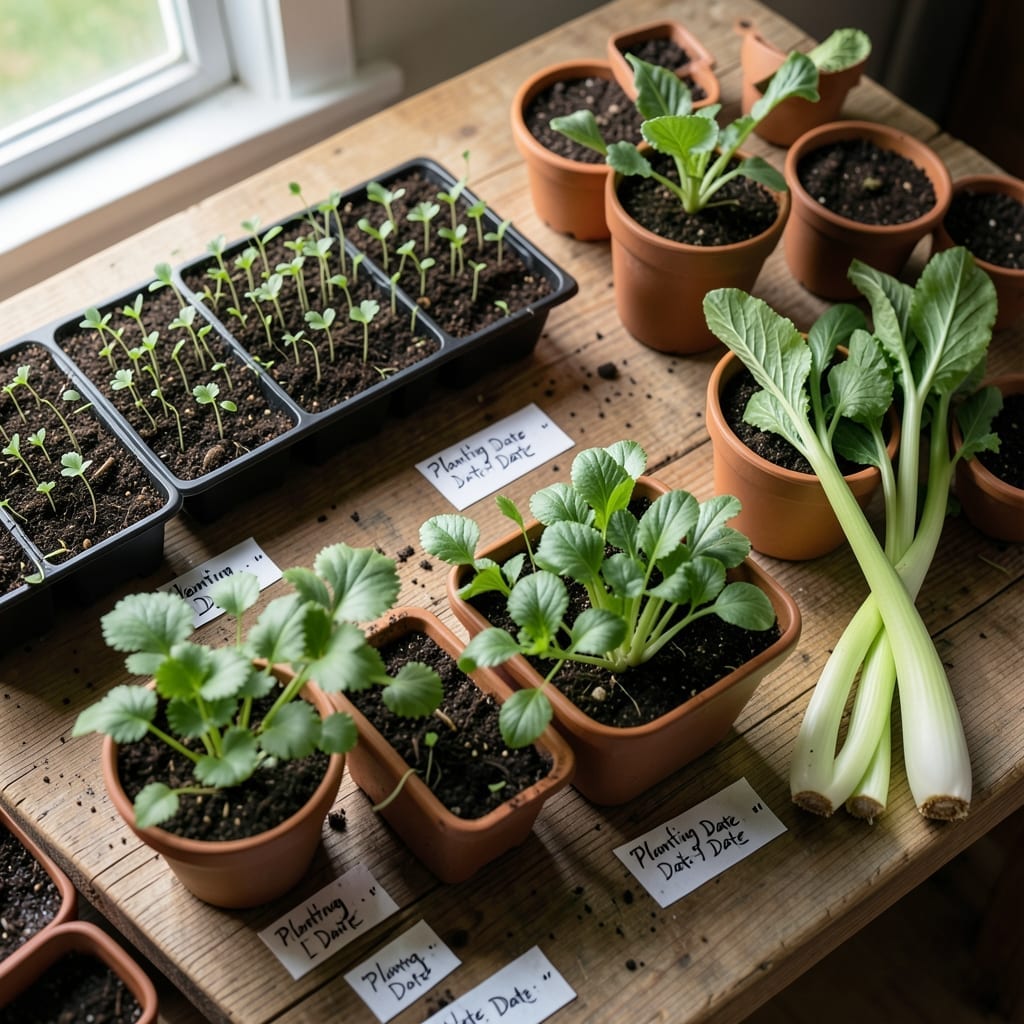
Tired of a single celery harvest that leaves you wanting more? A succession planting schedule keeps your supply steady all season long by staggering seed starts.
Begin a new batch of celery seeds indoors every 2-3 weeks. This ensures a continuous pipeline of seedlings ready for transplant as earlier batches mature. The method is perfect for gardeners who love fresh celery and want to avoid the feast-or-famine cycle.
You’ll enjoy fresh stalks from early summer through fall, maximizing your container garden’s productivity without extra space. 🌱
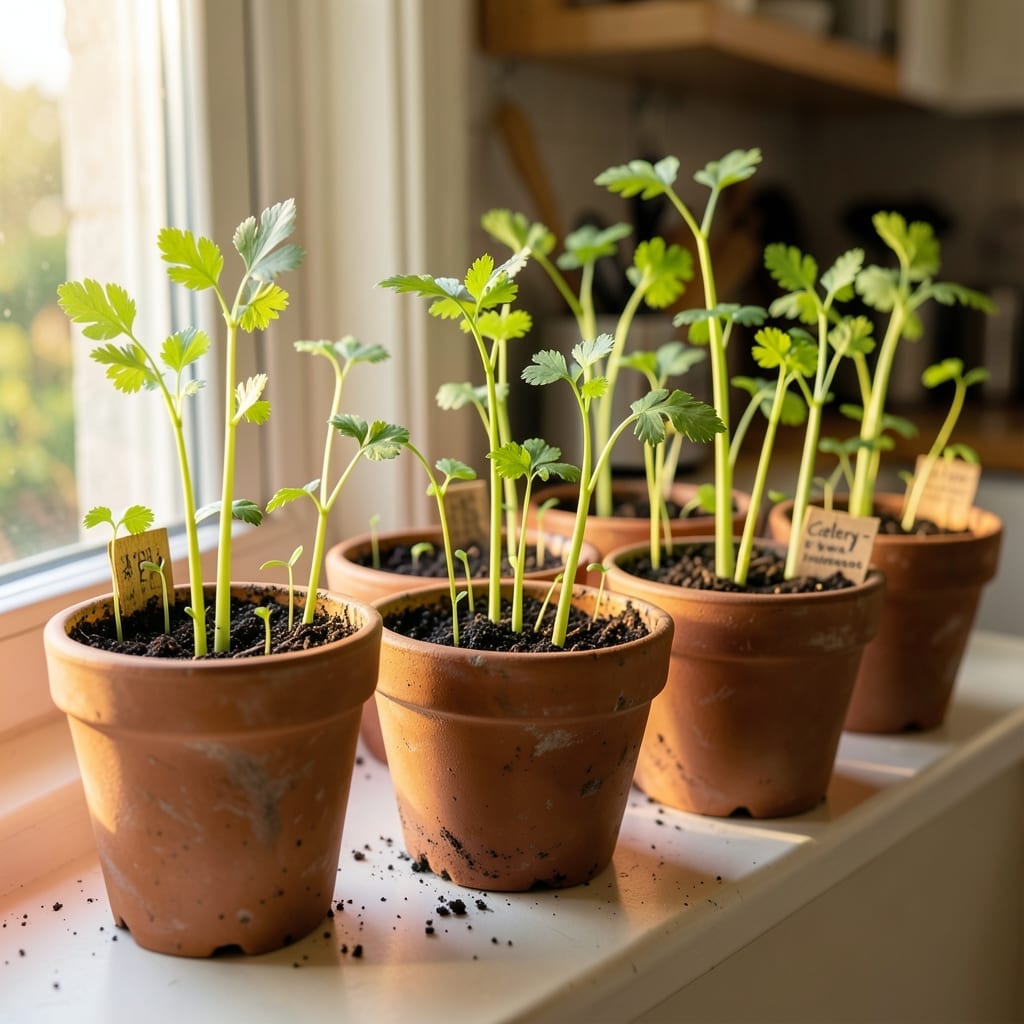
Container gardening offers unique control over your celery’s environment. Starting celery seeds indoors in pots gives you a head start on the growing season while protecting young plants from unpredictable weather.
Begin your container seeds 8-10 weeks before you plan to move them outside. This timeline allows for strong root system development in the confined space, crucial for celery’s long maturation period. Use deep containers to accommodate the extensive root growth.
This approach works especially well for gardeners with limited space or those wanting to extend their growing season on patios and balconies. 🌱
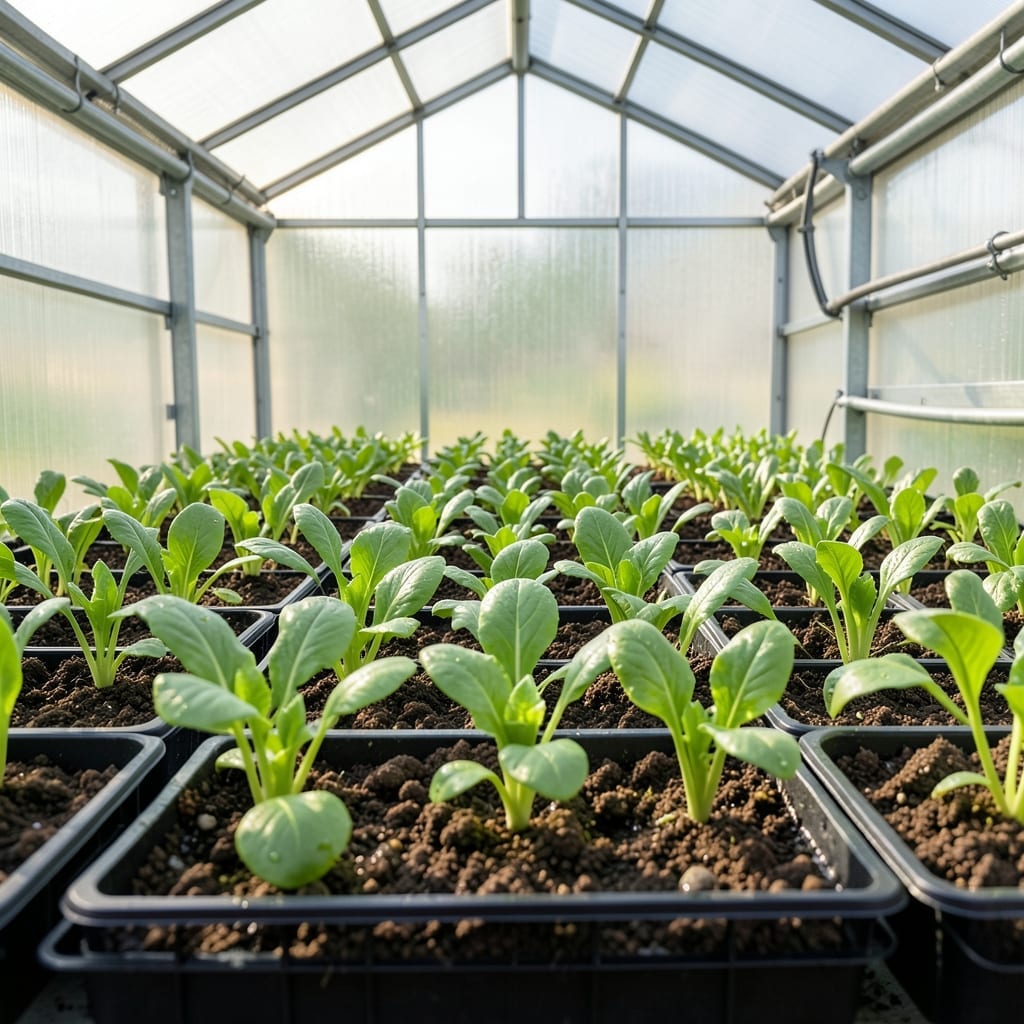
Your greenhouse gives you a head start that indoor setups can’t match. With controlled temperature and humidity, you can begin celery seeds 2-4 weeks earlier than typical indoor timelines.
This advantage means stronger seedlings by transplant time, as the stable environment prevents stress from fluctuations. You’ll also see faster germination rates in the consistent warmth, often 70-75°F, ideal for celery’s finicky nature.
Perfect for serious gardeners wanting maximum yield or those in regions with short growing seasons. The controlled space lets you fine-tune conditions for robust plants. 🌱
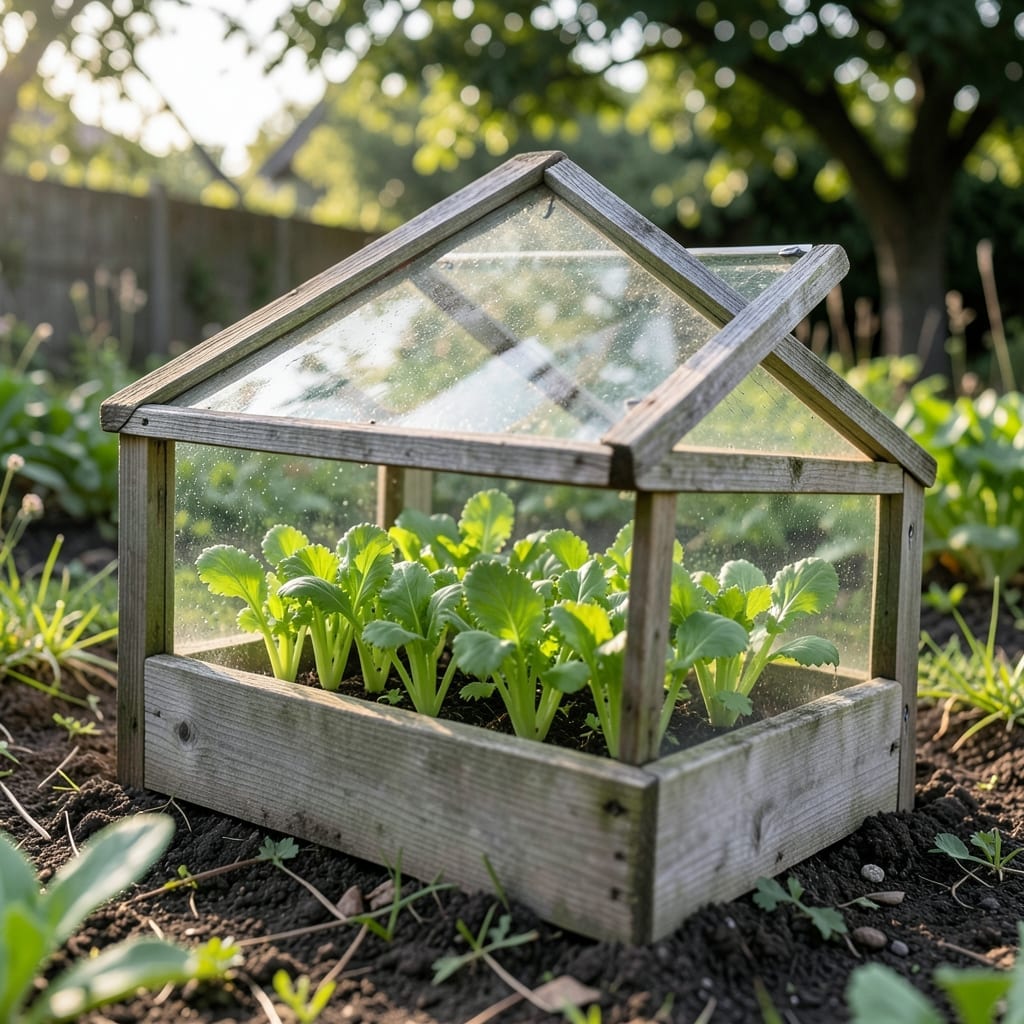
For gardeners eager to harden off seedlings gradually, the cold frame transition offers the perfect middle ground between indoor comfort and outdoor reality. This method lets you extend the growing season without the shock of direct transplanting.
Start your celery seeds indoors 6-8 weeks before transferring to cold frames. The frames provide a controlled environment that protects young plants from harsh weather while acclimating them to outdoor conditions. This is ideal for regions with unpredictable springs.
You’ll build resilience in your seedlings while maintaining steady growth. Perfect for gardeners who want to maximize their season without rushing the process. 🌱
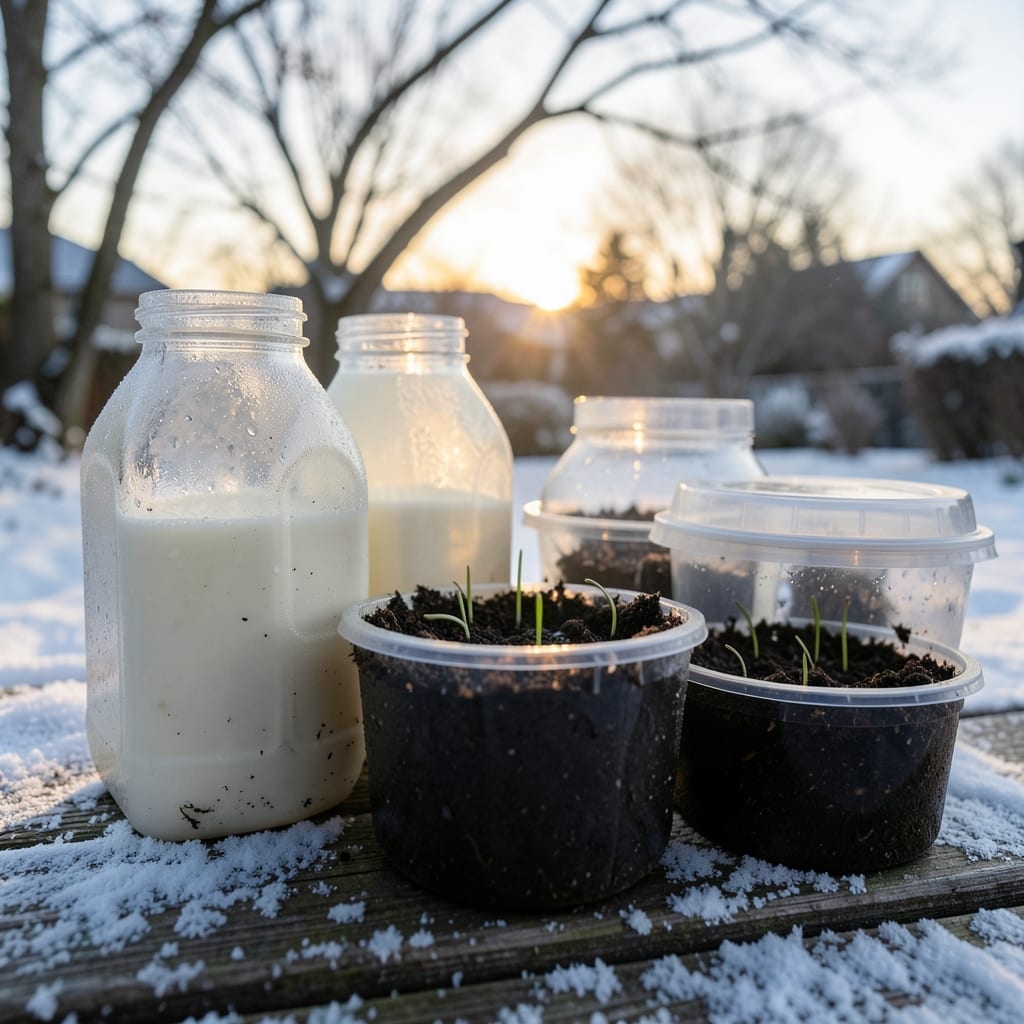
Skip the indoor setup and let nature do the work with winter sowing. This hands-off method usesprotected outdoor containers to naturally stratify seeds during late winter’s freeze-thaw cycles.
Use clear plastic jugs or lidded containers as mini greenhouses. Sow seeds in moist soil in January or February, then place them in a sheltered outdoor spot. The cold treatment breaks dormancy while protecting seeds from harsh elements.
Ideal for experimental gardeners who enjoy low-maintenance techniques and want to maximize germination rates without artificial conditions. 🌱
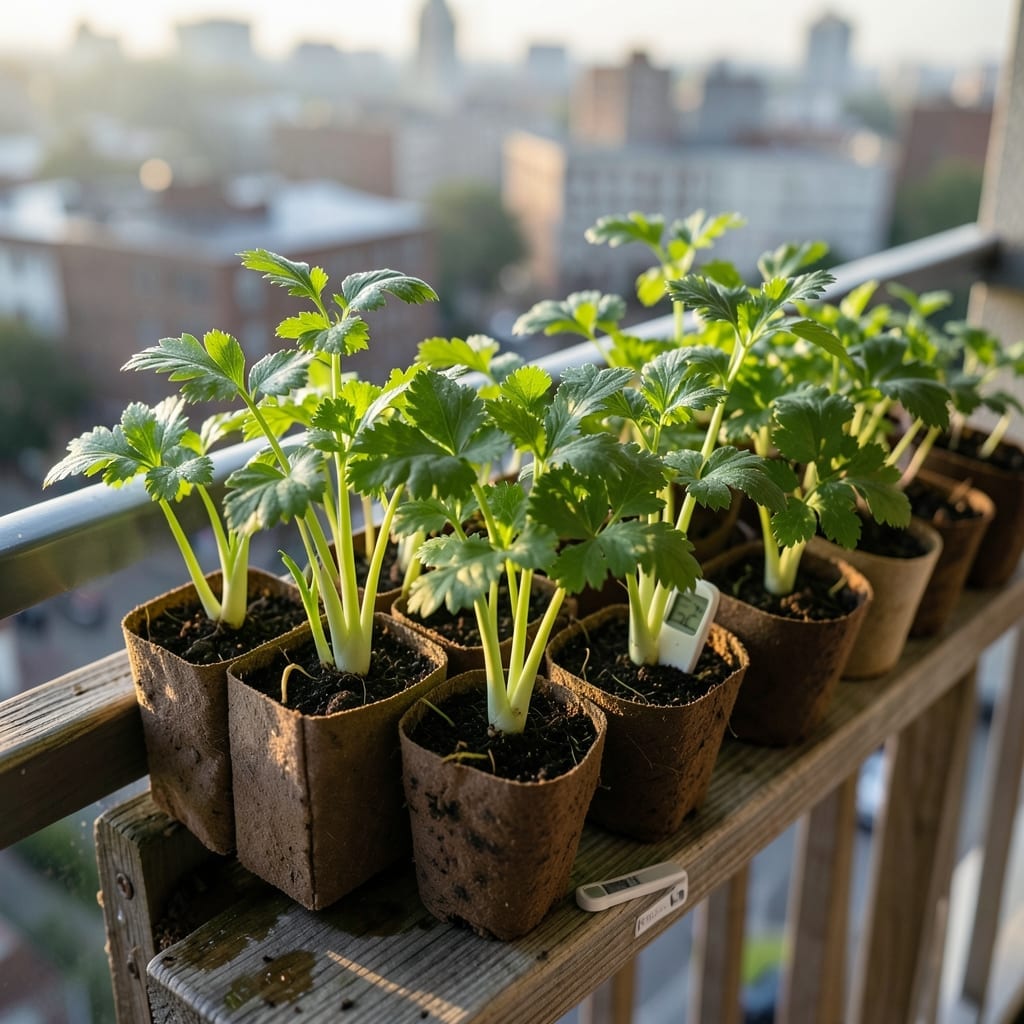
Urban balconies present unique challenges for celery starts, with temperature swings that can shock young seedlings. The key is waiting for consistent 50°F+ nights before moving plants outside.
Begin your celery seeds indoors about 8 weeks before your balcony maintains stable temperatures. This gives seedlings time to develop strong roots while avoiding the stress of sudden cold snaps. Use a heat mat to maintain steady soil warmth during early growth stages.
City gardeners will find this timeline prevents stunted growth from temperature fluctuations, ensuring healthy plants ready for container life. Perfect for those with limited outdoor space. 🌿
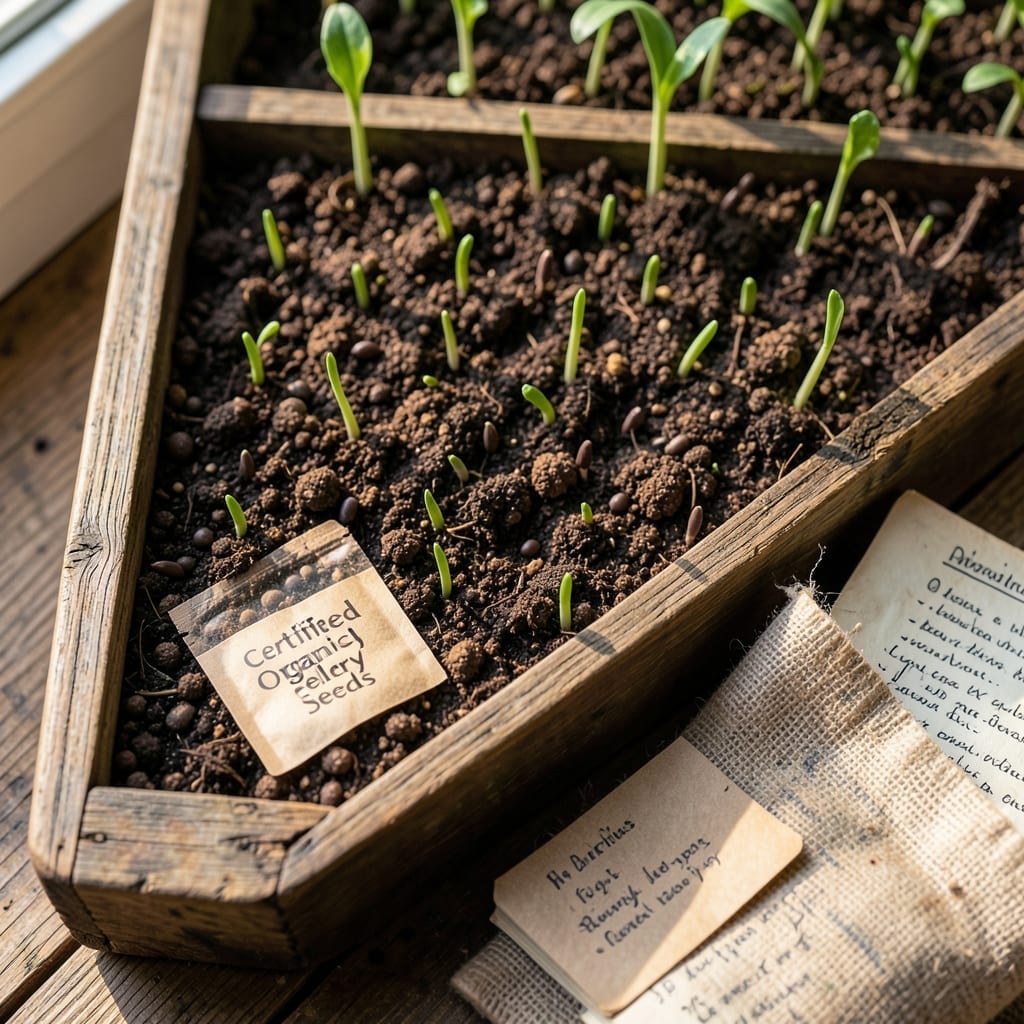
Achieving certified organic celery requires more than good timing—it demands strict adherence to organic standards from the very first seed. Using certified organic seeds is non-negotiable for compliance, and starting them indoors is the first step toward meeting those requirements.
Begin your seeds 12-14 weeks early to satisfy the growth period mandates that organic certification boards enforce. This extended start ensures your seedlings develop the strong root systems and maturity needed before transplanting into certified organic soil.
Ideal for serious gardeners committed to organic practices, this approach guarantees your celery meets every standard from seed to harvest. 🌱