
Beautiful Plants For Your Interior
Beautiful Plants For Your Interior
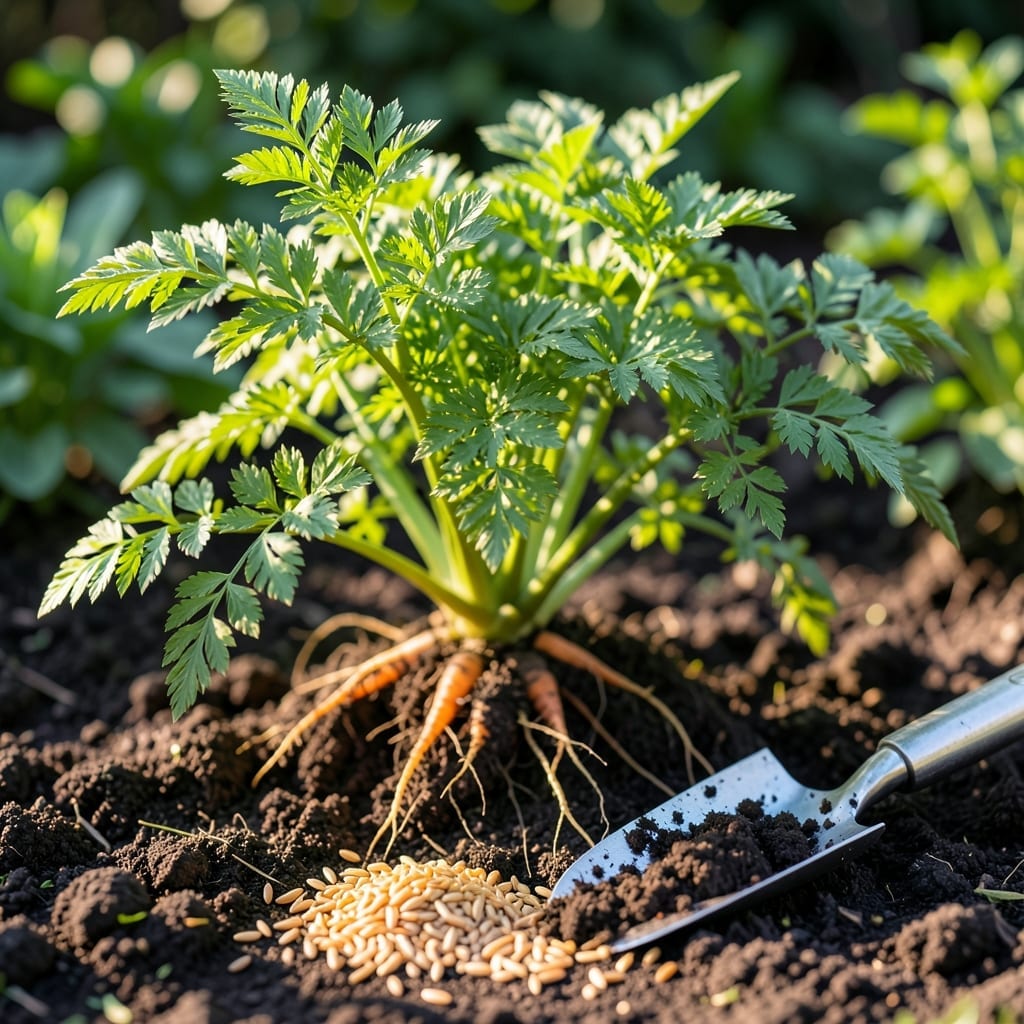
Timing is everything when planting Carrot 🥕—start too early or too late, and you could end up with stunted, bitter roots instead of sweet, crunchy harvests.
This guide reveals the perfect windows to sow seeds for maximum yield, whether you’re planting in spring, summer, or fall. I’ll walk you through the critical factors.
Discover how to align your planting schedule with soil temperature and climate for the best results every time.
Getting the timing right for carrot planting can make or break your harvest. I’ve found that soil temperature between 40-85°F is ideal for germination. In most regions, this means starting seeds 2-4 weeks before the last spring frost.
For cooler climates, like USDA zones 3-5, aim for late April to early May. In warmer zones, such as 7-9, you can begin as early as February or March. Fall planting is also an option in many areas.
| Season | USDA Zones | Planting Window | Soil Temp |
|---|---|---|---|
| Spring | 3-5 | April-May | 40-75°F |
| Spring | 6-7 | March-April | 45-80°F |
| Spring | 8-9 | February-March | 50-85°F |
| Fall | 4-7 | July-August | 50-75°F |
| Fall | 8-9 | September | 55-80°F |
In spring planting, the key is to avoid soggy soil. Carrot seeds need consistent moisture but will rot in waterlogged conditions. I recommend planting in raised beds if your garden has heavy clay soil.
For fall planting, count backward from your first frost date. Carrots need about 70-80 days to mature. Sow seeds 10-12 weeks before the first expected frost for a late-season harvest.
In mild winter regions (zones 8-9), you can grow carrots year-round. I’ve had success with winter varieties like ‘Danvers’ or ‘Nantes’, which tolerate cooler temps better than others.
Succession planting is a great way to extend your harvest. I sow new seeds every 2-3 weeks until late summer. This ensures a steady supply of fresh carrots rather than one big harvest.
If you’re in a hot climate, consider planting in partial shade during the peak summer months. Carrots can bolt in temperatures above 85°F, leading to bitter, tough roots.
For the best results, always check your local frost dates and adjust accordingly. A soil thermometer is an invaluable tool for ensuring optimal conditions. I never plant until my soil hits at least 40°F 🌱
Remember, carrots prefer loose, sandy soil. If your soil is compacted, mix in compost or sand to improve drainage and root development. This simple step can dramatically improve your harvest.
Both spring and fall planting offer unique benefits for growing carrots. I’ve found that spring carrots often develop a milder flavor, while fall-grown roots tend to be sweeter and crunchier. The difference comes from cooler fall temperatures.
Spring planting lets you harvest earlier but requires more attention to pest control. Carrot rust flies are more active in warmer weather. I always use row covers in spring to protect my young plants.
For fall planting, I start seeds in late summer when soil temps drop below 85°F. This prevents premature bolting. I also practice succession planting, sowing new seeds every 2 weeks until early fall.
In cool climates, fall carrots often outperform spring plantings. The cooler weather enhances sugar content, and fewer pests mean less damage to your crop. Just be sure to mulch heavily to protect from early frosts.
For warmer regions, fall planting can extend your harvest into winter. I’ve successfully grown carrots through December in zone 7 by using cold frames to protect plants from light frosts.
Pro tip: Water consistently during germination, then taper off as plants mature. Carrots need 1 inch of water per week for best results 🌱