
Beautiful Plants For Your Interior
Beautiful Plants For Your Interior
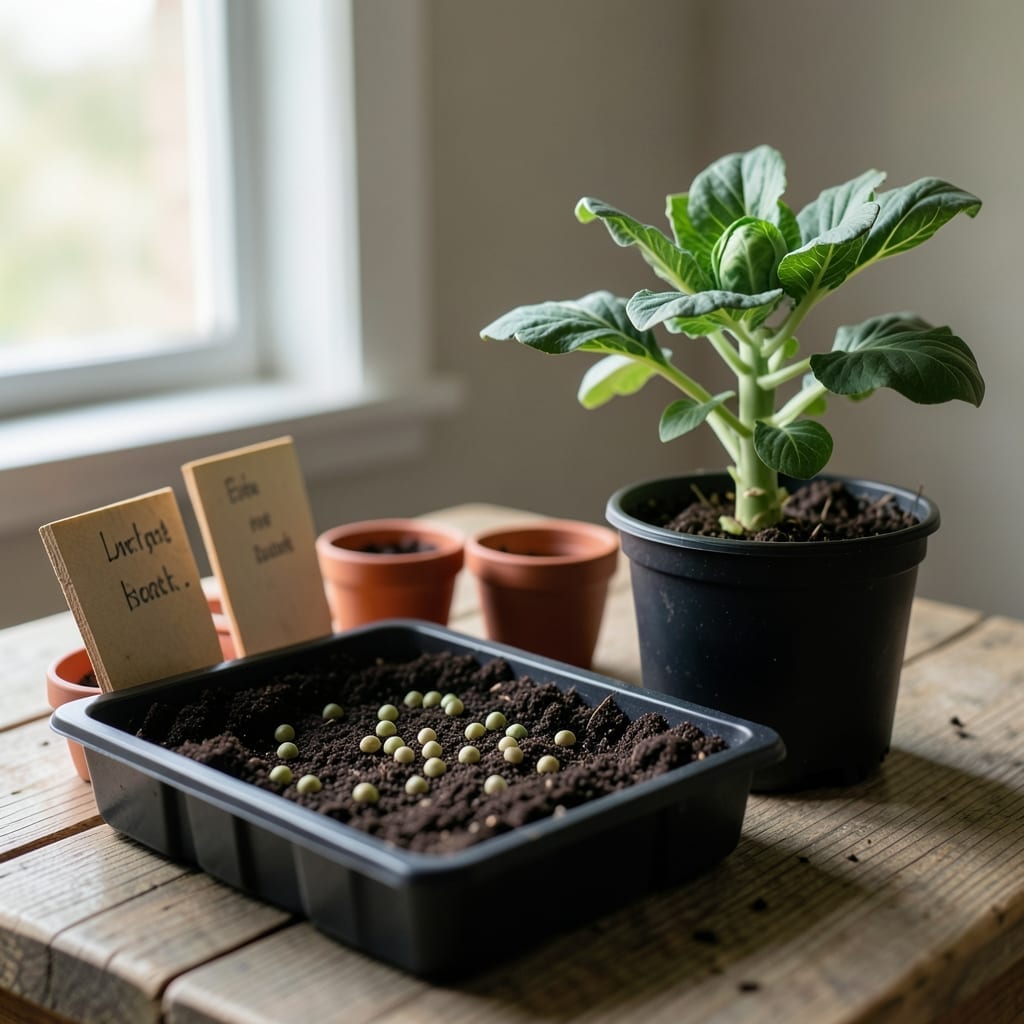
Timing is everything when starting Brussels Sprout 🥬 seeds indoors. Plant too early or too late, and you risk stunted growth or a missed harvest.
This guide reveals the perfect window to give your seedlings a healthy start. Whether you’re in zone 6a or adjusting for your local climate, timing sets the stage for success.
I’ll walk you through the ideal timeline, accounting for your last frost date and regional quirks. No more guessing when to begin – just clear, actionable advice.
Discover how to sync your planting with nature’s rhythm. Your future self will thank you when those sprouts are thriving come fall.
Starting brussel sprout seeds indoors at the right time ensures strong, healthy seedlings ready for transplant. I’ve found that timing depends heavily on your USDA zone and local last frost date. Plant too early, and seedlings may outgrow their space.
For most gardeners, the sweet spot is 8-10 weeks before the last spring frost. In cooler zones like 3-5, this might mean starting in late February or early March. Warmer zones like 7-9 can wait until early April for ideal results.
In zone 6a, where I garden, I start seeds indoors around March 1st. This gives my brussel sprouts plenty of time to develop before moving them outside after the last frost, typically in early May.
For northern gardeners in zones 3-4, the indoor start date shifts earlier due to shorter growing seasons. Here, mid-February is ideal, ensuring plants mature before the first fall frost. Southern gardeners in zones 9-10 can start later, as their mild winters allow for extended growing periods.
Always check your local frost dates for precision. I use the USDA Plant Hardiness Zone Map and cross-reference with weather forecasts to adjust my schedule. This small step prevents early transplant shock.
If you’re unsure, err on the side of starting a week later rather than earlier. Overgrown seedlings can become leggy and weak, which stunts their growth after transplanting. I’ve learned this the hard way!
Remember, brussel sprouts are a cool-season crop. They thrive in 60-70°F soil and can tolerate light frosts, making them perfect for fall harvests. Starting indoors gives them a head start before the outdoor temperatures rise.
For best results, use seedling heat mats to maintain consistent soil warmth during germination. I’ve noticed this boosts sprouting rates significantly, especially in cooler homes.
Finally, keep a gardening journal to track your start dates and results each year. This helps refine your timing and ensures better harvests with each planting season. 🌱
Starting brussel sprout seeds indoors gives your plants a head start, especially in cooler climates. I always aim for 8-10 weeks before the last frost date to ensure strong seedlings ready for transplanting.
Use a well-draining seed mix and plant seeds ¼ inch deep in trays or small pots. Keep the soil moist but not soggy, and maintain a consistent temperature of 65-75°F for best germination.
Light is critical—14-16 hours daily under grow lights prevents leggy seedlings. I place my trays 6-12 inches below the lights and adjust as plants grow.
Once true leaves appear, I switch to a balanced fertilizer (like 5-10-10) every 2-3 weeks to fuel growth. Thin seedlings to one per cell to avoid competition.
Before moving seedlings outside, harden them off for 7-10 days. I start with 1-2 hours of shade and gradually increase sun exposure.
Transplant when seedlings have 4-6 true leaves and nighttime temps stay above 40°F. Space plants 18-24 inches apart in well-prepared soil for the best yield. ☀️