
Beautiful Plants For Your Interior
Beautiful Plants For Your Interior
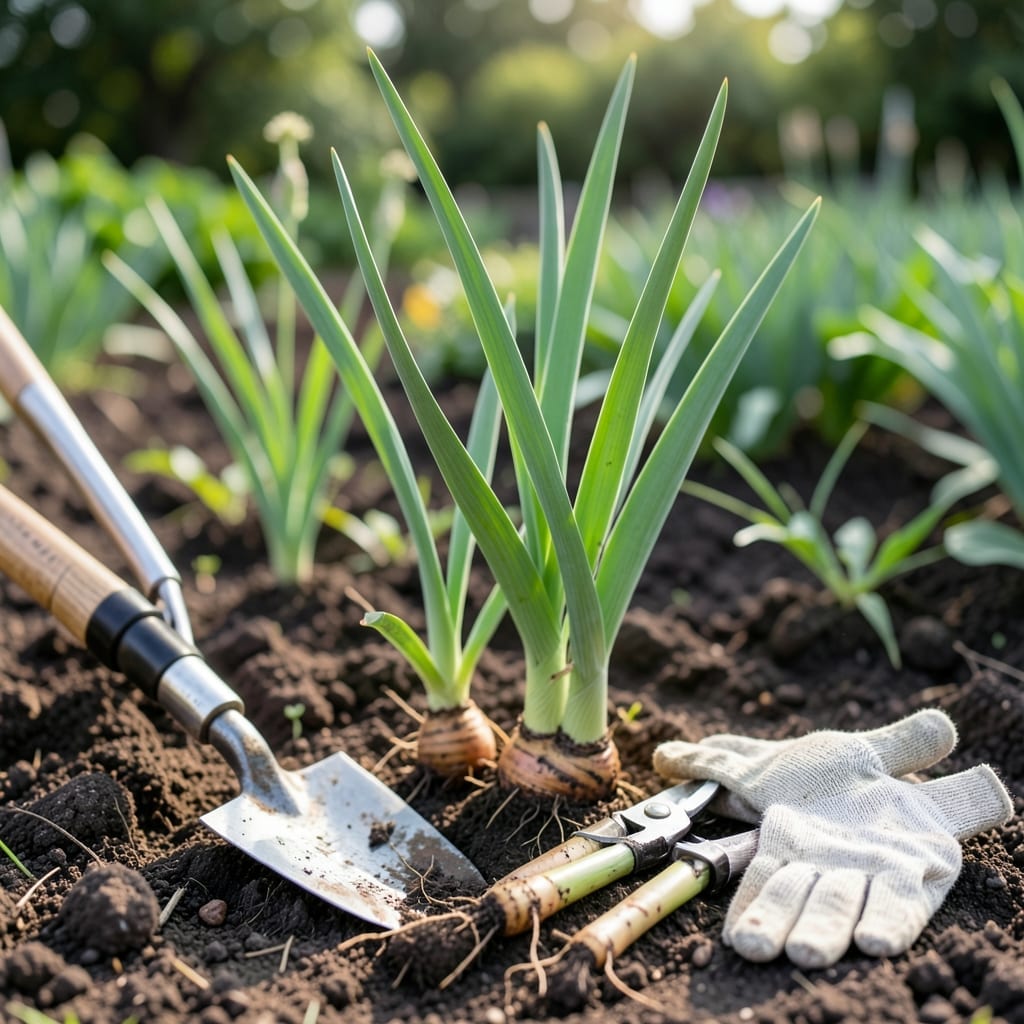
Overcrowded iris clumps can leave your garden looking lackluster, with fewer blooms and struggling plants. But there’s a simple solution that can breathe new life into your 🌸 Iris patch.
Timing is everything when it comes to splitting these hardy perennials. Doing it right ensures healthier growth and a burst of color next season.
Discover the best window to divide your irises and the clear signs they’re ready for a refresh. Let’s get your garden thriving again.
Timing is critical when dividing irises to ensure they thrive. The best window is after they’ve finished blooming, typically in late summer or early fall. This gives the plants time to establish roots before winter.
In most climates, July through August is ideal, but I always check for yellowing foliage as a sign they’re ready. This period allows the rhizomes to recover and store energy for next year’s growth.
| Stage | Timing | Notes |
|---|---|---|
| Post-Bloom | 6-8 weeks after flowers fade | Foliage begins to yellow |
| Ideal Months | July – August | Warm soil aids recovery |
| Good Alternatives | June or September | Avoid extreme heat or frost |
I’ve found that splitting too early in the season can stress the plants, while waiting too long risks frost damage to new divisions. The 6-8 week post-bloom rule is my go-to for most iris varieties.
Watch for overcrowded clumps—when the center looks bare or blooms are sparse, it’s a clear sign. Rebecca irises and bearded irises especially benefit from this timing, as it aligns with their natural growth cycle.
In warmer climates, you might push the window to early September, but I’d avoid splitting during peak summer heat. The soil should be warm but not scorching to encourage root growth.
If you’re in a cooler zone, aim to finish dividing by early August to give plants enough time to establish before the first frost. This is non-negotiable for Northern gardeners.
Another tip: Morning is best for dividing, as the plants are less stressed. I also
Don’t forget to trim the foliage to about 6 inches after splitting—this reduces water loss and helps the plant focus on root development. It’s a small step that makes a big difference.
Finally, replant divisions immediately or store them in a cool, dry place for up to a week. Keeping them hydrated is key to their survival and future blooms.
With the right timing and care, your irises will reward you with bigger, brighter blooms next season. It’s one of the most satisfying gardening tasks I do each year ✂️
Splitting irises is a straightforward process that can rejuvenate your garden. I always start by digging up the entire clump with a sharp spade, being careful not to damage the rhizomes.
Once the clump is out of the ground, I gently shake off excess soil to expose the rhizomes. This makes it easier to see where to separate the divisions.
Each healthy division should have at least one fan of leaves and a portion of rhizome. I discard any soft or diseased sections to prevent problems in the new planting.
Before replanting, I prepare the soil by loosening it to a depth of about 12 inches. This helps the roots establish quickly. I also add a light layer of compost for extra nutrients.
When replanting, I space the divisions about 12-24 inches apart to allow room for growth. The rhizomes should be partially exposed to the sun, as this helps prevent rot.
After planting, I water the divisions deeply to settle the soil and eliminate air pockets. I continue to water weekly unless rain provides enough moisture.
With proper care, your newly split irises will establish quickly and reward you with vibrant blooms next season ✂️