
Beautiful Plants For Your Interior
Beautiful Plants For Your Interior
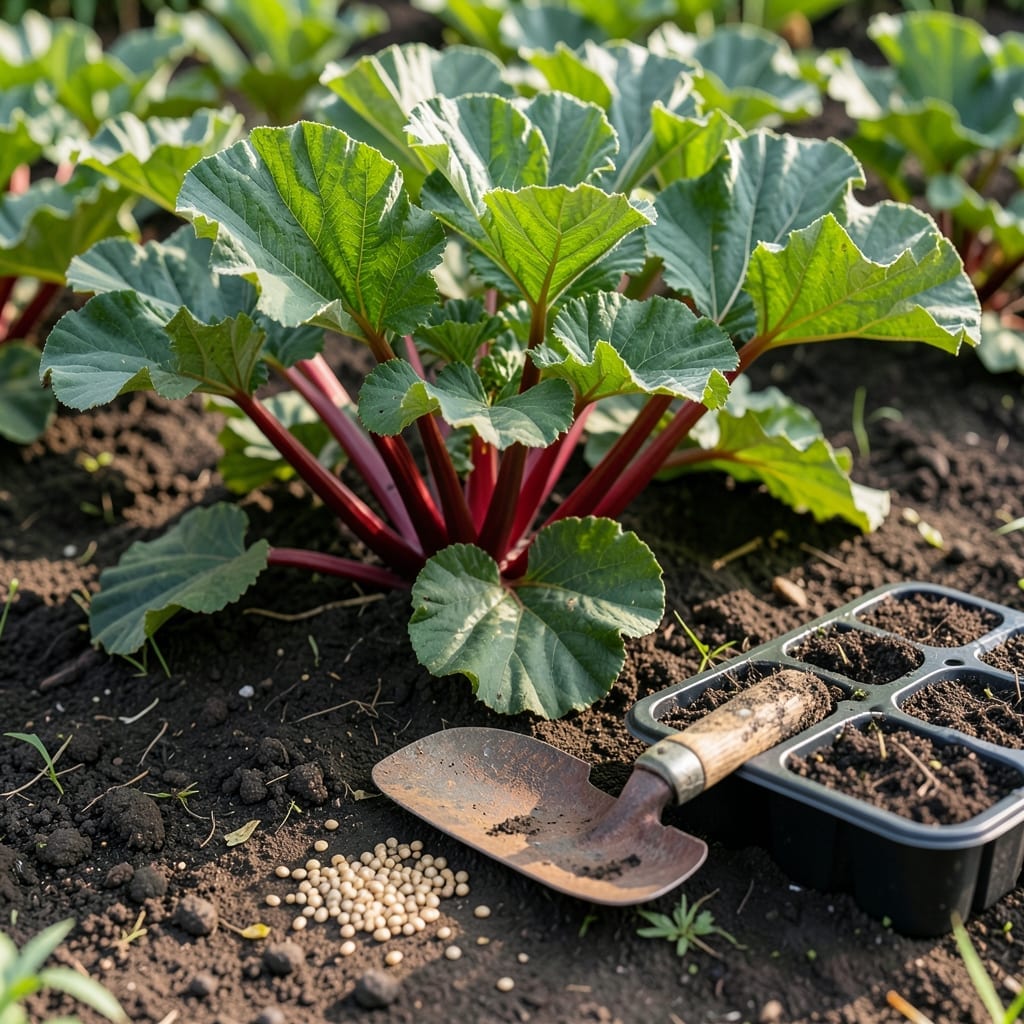
Timing is everything when sowing Rhubarb 🌱 seeds—plant too early or too late, and you risk weak growth or poor yields.
I learned this the hard way after my first attempt produced spindly stalks that never thrived. The difference between struggling plants and a bountiful harvest often comes down to just a few weeks.
Whether you’re in Zone 6 or adjusting for your local climate, knowing the ideal window can make all the difference. Early spring is your golden opportunity.
Let me show you exactly when to start and how to set your Rhubarb up for success from the very beginning.
I’ve found that rhubarb seeds thrive when sown at the right time, and climate zone plays a huge role. In cooler regions like USDA zones 3-5, early spring is ideal, just after the last frost when soil temperatures reach 40°F.
For warmer zones 6-8, I recommend sowing in late winter or early spring, as rhubarb needs a cold period to germinate properly. This timing ensures strong, healthy plants ready for transplanting.
| Zone | Sow Indoors | Transplant Outdoors | Notes |
|---|---|---|---|
| 3-5 | Jan-Feb | April-May | After last frost |
| 6-8 | Feb-Mar | March-April | Cool soil preferred |
| 9-10 | Nov-Dec | Jan-Feb | Needs winter chill |
In my experience, starting seeds indoors gives rhubarb a head start, especially in shorter growing seasons. I use seed trays with well-draining soil and keep them in a cool, bright spot until germination.
Once seedlings develop 2-3 true leaves, I harden them off by gradually exposing them to outdoor conditions. This prevents transplant shock and helps them acclimate to the garden.
For direct sowing, I wait until soil is workable and temperatures are consistently above 40°F. Rhubarb seeds can take 2-3 weeks to germinate, so patience is key.
I always mulch the soil after sowing to retain moisture and protect seeds from temperature fluctuations. A light layer of straw or compost works wonders for this.
In hotter climates, I’ve learned to avoid sowing during peak summer heat, as rhubarb prefers cooler temperatures. Fall sowing can work in mild areas, but it’s riskier.
Remember, rhubarb is a perennial, so the effort you put into timing and care now will pay off for years. I’ve had plants produce for over a decade with the right start!
If you’re unsure about your zone, I recommend checking with your local extension office for the most accurate frost dates and sowing windows 🌱
Starting rhubarb seeds indoors gives you a head start on the growing season. I recommend sowing 8-10 weeks before your last frost date to ensure strong seedlings ready for transplanting.
For outdoor sowing, wait until the soil temperature reaches at least 50°F. This usually aligns with early spring in most USDA zones, but always check local conditions.
Prepare seed trays with well-draining soil and plant seeds ¼ inch deep for best germination.
Keep soil moist but not soggy, and place trays in a warm, bright location with indirect light.
Once seedlings emerge, thin to 2-3 inches apart and provide 12-14 hours of light daily.
Harden off seedlings for 7-10 days before transplanting outdoors after the last frost.
For direct outdoor sowing, choose a sunny spot with rich, well-draining soil. Sow seeds ½ inch deep and 12 inches apart to allow room for growth.
Mulch lightly after planting to retain moisture and suppress weeds. I’ve found that straw or compost works best for young rhubarb plants.
Water consistently but avoid over-saturating the soil. Rhubarb prefers moist conditions but can’t tolerate standing water, which leads to rot.
With proper timing and care, your rhubarb seeds will grow into thriving plants ready for harvest in 2-3 years 🌱